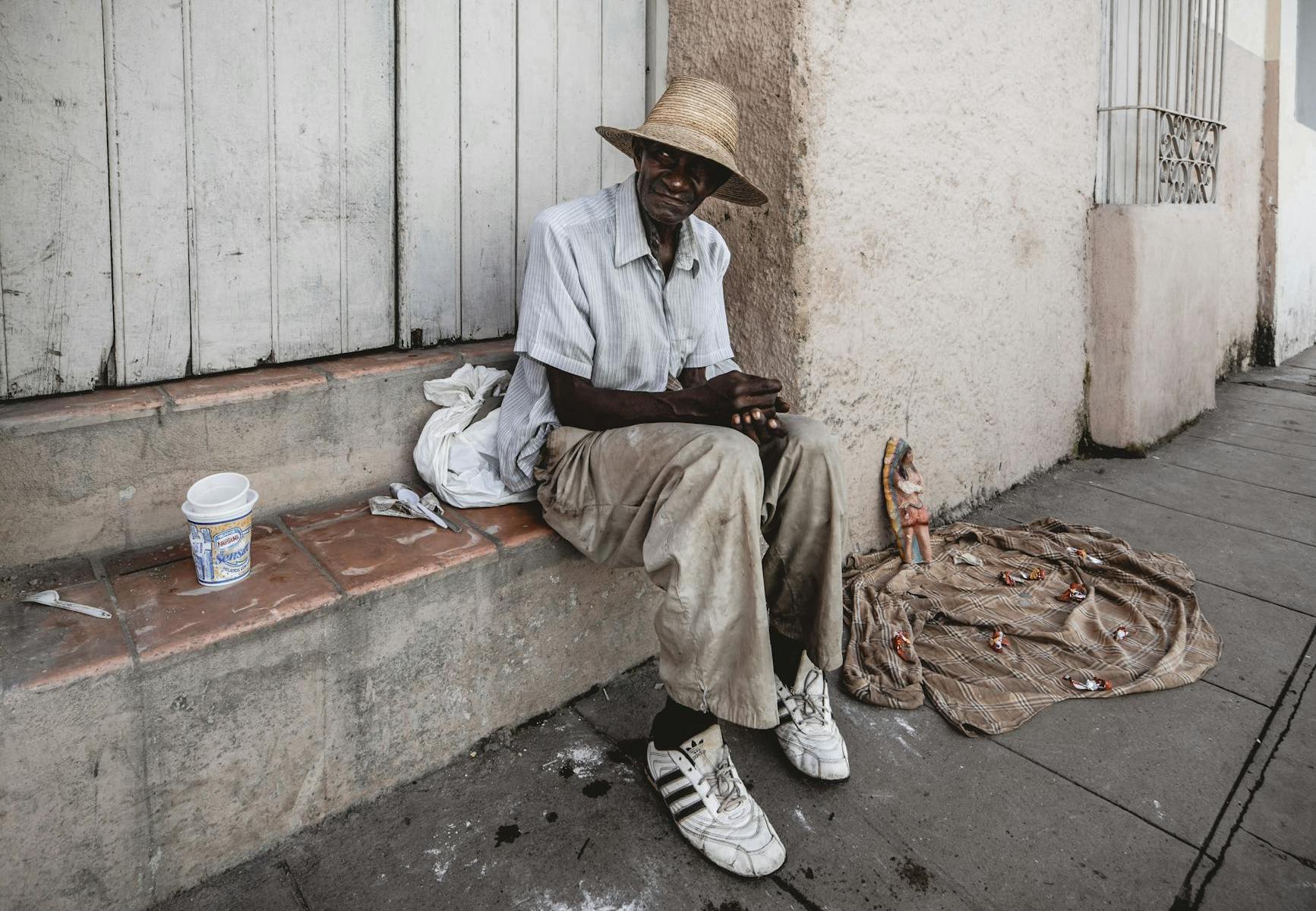


Beyond the Echo Chamber: Fostering Individuality in a Divided Society


It is disheartening to observe the pervasive divisiveness within our society, a manifestation of the antiquated ‘us versus them’ mindset. Those wielding power exploit innate human tendencies, such as the need for an adversary and the longing to affiliate with a cause, to secure acceptance and a sense of belonging within societal constructs. This manipulation is further exacerbated as the influential stoke public fears, thereby exerting control in a similar fashion. This cycle, regrettably, continues to perpetuate division and discord.

The incessant influx of information, particularly from platforms such as social media and purported news outlets, coupled with the propagation of conspiracy theories by influential figures, results in a significant portion of the populace becoming disoriented and oblivious to their surroundings. This phenomenon is a contemporary application of the ‘divide and conquer’ strategy, supplemented by a barrage of distractions designed to foster confusion and facilitate manipulation. Regrettably, this tactic often succeeds in misleading the public.

While the allure of social media and the intrigue of conspiracy theories can be captivating, it is crucial to occasionally disconnect from these sources to recalibrate one’s perspective and enhance awareness of the world. This involves consciously disengaging from televisions, computers, smartphones, and other electronic devices. Engaging in outdoor activities such as camping, fishing, or hiking, or pursuing spiritual paths can provide a much-needed respite. Practices such as meditation, prayer, and the study of religious scriptures aligned with one’s faith can contribute to mental tranquility and facilitate a return to one’s center. This balanced approach can help individuals navigate the complexities of the modern world with a clearer and more focused mind.

Above all, it is imperative to exercise independent thought, to step back and critically evaluate matters from one’s unique perspective. Rather than conforming to the majority’s mindset, one should cultivate and adhere to a personal cognitive framework. This individualistic approach to thinking not only fosters intellectual growth but also promotes authenticity and self-reliance.

Unity in Diversity: Valuing Age and Experience


In contemporary society, there exists a perception among the younger generation that the elderly are dispensable and lack significance. This stands in contrast to historical norms, where elders were revered for their wisdom and sought after for guidance, receiving support from the community. It’s essential to recognize that today’s older generation once occupied the role of youth and actively contributed to shaping our modern world. They played a pivotal role in the development and manufacturing of the electronic devices that many young people now appreciate.

Many of the Elderly of today were champions of civil rights, visionaries, and grassroots activists fought for the freedoms and rights enjoyed by people today. Their unwavering dedication and sacrifice significantly contributed to creating a better world. Their legacy paved the way for those who continue to champion equality and human dignity.

“Despite their tireless efforts, some refer to them as ‘boomers’ and view them as an additional burden on our government and a segment of today’s younger generation. However, it’s essential to recognize that they still have much to contribute. Their wealth of wisdom, acquired through years of experience, provides valuable insights into the past and upholds values that appear scarce in our current era.

Ageism is a pervasive issue that unfairly diminishes individuals based on their age, whether they are elders or children. Regardless of their life stage, everyone deserves equal respect, just as those in their prime working years do. Life itself is precious and should be cherished by all of us. Basic respect is a fundamental right for every human being. Unfortunately, as a species, we still have progress to make in terms of respecting life and valuing each individual. Often, we find ourselves entangled in tribalism, an ‘us vs. them’ mentality, and separatism. However, there is hope that one day we will recognize our shared humanity, transcending differences in beliefs to unite and strengthen our collective race.

In our journey through life, let us recognize that age should never be a barrier to respect. Whether young or old, each person contributes to the rich tapestry of human experience. As we navigate our existence, let’s embrace unity over division, understanding over prejudice, and compassion over judgment. Together, we can build a world where every individual’s worth is celebrated, regardless of their place on life’s timeline.

Unveiling the Shadows: The U.S. Government and the Ongoing Enigma of UFOs


In the vast expanse of the cosmos, humanity has long pondered the existence of extraterrestrial life and unidentified flying objects (UFOs), now more formally known as unidentified anomalous phenomena (UAPs). The intrigue surrounding these mysterious sightings has been matched only by the skepticism and secrecy often associated with governmental handling of such information. This article delves into the documented instances of potential concealment by the U.S. government, shedding light on the intricate dance between transparency and secrecy.

The Pentagon’s Stance on UAPs

A recent unredacted report released by the Pentagon outlines the U.S. government’s historical record of UAPs1. The report, spanning 63 pages, is a comprehensive account that denies any confirmed extraterrestrial technology associated with UAP sightings. It also debunks claims of reverse-engineering alien technology, emphasizing the lack of empirical evidence1.

Congressional Hearings and Whistleblower Testimonies

In the halls of Congress, whistleblower testimonies have sparked debates over the government’s alleged concealment of UFO evidence. A congressional subcommittee convened in June 2023 to hear from military officers who claimed the government was hiding evidence of UFOs2Despite the gravity of the allegations, the hearings did not significantly alter the basic understanding of UAPs2.

Claims of Hidden Alien Bodies

Adding to the controversy, whistleblowers have accused the U.S. government of hiding alien bodies3. These claims, while sensational, have yet to be substantiated with concrete evidence, leaving the public to wonder about the veracity of such assertions.

Legislative Actions and Information Control

Despite calls for greater transparency, Congress has taken steps to control the release of UFO information to the public4. This legislative maneuvering suggests a deliberate effort to maintain a veil of secrecy over the phenomena, fueling further speculation about what the government may know.

The Push for Transparency

Amidst the secrecy, there have been pushes for greater transparency. Declassified documents and public reports have hinted at an ongoing cover-up spanning decades5. The quest for openness continues, as advocates for disclosure challenge the government to reveal its knowledge about the enigmatic objects in our skies.

Historical Precedents of Concealment

The U.S. government’s history with information concealment is not limited to UFOs. The National Security Archive has published numerous examples of over-classification and redaction inconsistencies, highlighting the subjective nature of the classification process6. These instances underscore the broader issue of governmental transparency and the public’s right to information.

Conclusion

The intersection of UFOs, UAPs, and government secrecy is a complex web of intrigue and mystery. While documented examples of concealment exist, the full extent of the government’s knowledge and its reasons for secrecy remain shrouded in ambiguity. As society continues to seek answers, the balance between national security and the public’s curiosity hangs in a delicate balance.

Guardians of Gaia: A Call to Arms for Earth’s Sentinels


In the boundless theater of the universe, our Earth is but a solitary stage, set against the backdrop of infinity. It is upon this stage that we, the appointed sentinels, must perform our most critical roles—guardians of Gaia, protectors of the only home we’ve ever known.

The Philosophy of Guardianship

Guardianship is not a task we perform; it is a philosophy we embody. It is the recognition of our inseparable bond with the intricate web of life that envelops us. To accept the mantle of guardianship is to vow to uphold the sanctity of life, to nurture the narrative that binds every root, every breath, every heartbeat of our shared existence.

Harmonizing with the Pulse of the Planet

Our Earth sings a delicate aria of balance, a composition that demands our utmost respect and finesse. As guardians, we must harmonize with this natural rhythm, making choices that resonate with the planet’s pulse—choices that foster sustainability, that celebrate conservation, and that reflect a profound understanding of our role within the natural order.

The Inheritance We Craft

The heritage we sculpt today with our deeds will echo through the annals of time. Shall we bequeath a legacy of desolation or a testament to our reverence for life? The artistry of our guardianship will shape the world that future generations will inherit—a world teeming with life, a canvas painted with the vibrant hues of a thriving ecosystem.

A Symphony of Solidarity

The quest for guardianship is a symphony, each of us contributing a unique melody to the collective harmony. It is an alliance of spirits, a fusion of hearts and minds, converging in our shared passion for the Earth. United, we can orchestrate a future where nature’s splendor is preserved, and humanity prospers within its gentle cradle.

Epilogue

As we cast our eyes toward the celestial dance above, let us not forsake the precious gem beneath our feet. Earth’s guardianship is our sacred charge, a clarion call that we must answer with courage and conviction. Let us embrace our destiny as Earth’s sentinels, for in our guardianship lies the promise of a verdant, bountiful tomorrow.

Embracing Authenticity: The Path to Self-Discovery


For much of my life, I found myself unduly influenced by the perceptions of others, as well as those I presumed they held about me. This resulted in a continuous cycle of attempting to gain approval and adopting a persona contrary to my true self, all in pursuit of social acceptance and popularity. Regrettably, this led to many years spent neglecting my authentic identity and forsaking the individual I had the potential and obligation to become. Ultimately, I have come to realize that the only judgment that truly matters is my own, especially concerning my personal development and self-assessment.

In retrospect, I recognize that an excessive amount of time has been expended in regret over my actions and inactions, primarily due to an overarching concern for the opinions and expectations of others. Such a lifestyle has proven to be counterproductive, giving rise to numerous challenges related to one’s self-concept, including diminished self-esteem and an unhealthy emotional reliance on the validation of others. It is imperative to embrace one’s true self, pursue personal passions and principles, and lead a life that aligns with one’s desired self-image, ultimately cultivating a sense of self-love and pride.

It is a reassuring truth that the opportunity to cultivate self-love and embrace one’s true nature is not bound by time. Similarly, it is always possible to pursue one’s aspirations and evolve into the person one aspires to be. This journey begins with the release of apprehensions concerning the perceptions of others and fostering confidence in oneself. The most challenging aspect lies in introspection and the discovery of one’s authentic identity—a process that may grow more intricate with age. Nonetheless, this endeavor is far from unattainable; it merely requires dedication and a commitment to personal growth over time.

In conclusion, the journey towards self-acceptance and personal growth is a continuous process that requires conscious effort and dedication. It involves recognizing and releasing the constraints of external validation, while fostering a deep sense of self-worth and confidence. As one embarks on this path, it is essential to utilize resources that offer guidance and support.

For those seeking to enhance their professional development, resources such as Stanford Online’s guide on navigating professional growth1Harvard Business School Online’s insights on achieving professional development goals2, and comprehensive personal development tools from MindGoals.org3 can be invaluable. Additionally, exploring self-acceptance exercises and activities from PositivePsychology.com4 and embracing self-awareness through Aaron Hall’s insights5 can significantly contribute to one’s personal evolution.

Embracing oneself fully, with all the strengths and imperfections, is not only liberating but also empowering. It allows for a life lived with authenticity and purpose. Remember, the pursuit of self-discovery and self-improvement is not a destination but a lifelong voyage, one that is as rewarding as it is transformative.

Title: “The Weight of Our Present Actions: Shaping Identity, Impacting the World”


In the intricate tapestry of existence, our present actions are the threads that weave together the fabric of our lives. These actions, seemingly transient, carry profound significance—they mold our identity and chart the course of our future. The choices we make today resonate far beyond the immediate moment, rippling through time and space to influence the outcomes we encounter in life and the broader world.

Shaping Identity Through Present Actions

Our past experiences, while formative, do not define us irrevocably. Instead, it is our present actions that wield the chisel, carving out the contours of our character. Whether we extend a helping hand to a stranger, stand up for justice, or choose empathy over indifference, each decision shapes the narrative of who we are. Our identity emerges not from the faded pages of history but from the canvas of today—a canvas we paint with intention and purpose.

Consider the scientist who dedicates long hours to research, seeking solutions to pressing global challenges. Or the teacher who imparts knowledge and compassion to young minds, nurturing the seeds of a better tomorrow. These actions, seemingly small, accumulate into a legacy—a testament to our values and aspirations.

The Ripple Effect: Impacting Life and the World

Our actions are not isolated events; they create ripples that extend far beyond our immediate sphere. When we choose kindness, it reverberates through the lives of others, inspiring them to pay it forward. Conversely, negative actions cast shadows, leaving imprints on hearts and minds.

In a world where disinformation proliferates and division threatens our collective well-being, our responsibility as individuals becomes even more pronounced. Deliberate efforts to sow chaos and discord challenge the very fabric of society. Yet, amidst this tumult, there exists an urgent need for peacemakers—individuals who actively promote unity, foster joy, and champion truth.

The Role of Peacemakers

Peacemakers are not passive observers; they are architects of harmony. Their actions transcend mere words; they embody joy, compassion, and understanding. They seek common ground, bridging gaps between conflicting ideologies. In a cacophony of noise, they strive for clarity—the truth that cuts through deception and misinformation.

As the world grapples with complex issues—climate change, inequality, and geopolitical tensions—peacemakers rise to the occasion. They engage in dialogue, build bridges, and forge connections. Their wisdom guides them, steering humanity away from the abyss of discord toward the shores of understanding.

Conclusion

Our present actions are not fleeting moments; they are brushstrokes on the canvas of eternity. Let us choose wisely, for in doing so, we shape our identity and contribute to a world that hungers for unity. As peacemakers, let us be the architects of hope, weaving threads of compassion and understanding into the very fabric of existence. For it is through these actions that we leave an indelible mark—a legacy that transcends time and echoes across generations.

Bridging Perspectives: Navigating Authority and Empathy


In my analysis, there exists a notable prevalence of individuals who actively contribute to chaos, discord, division, and fear, rather than those who advocate for peace, joy, and compassion within our global community. Many seem preoccupied with passing judgment on others and seeking adversaries to harbor animosity towards, often overlooking the inherent beauty in our surroundings and the needs of the less fortunate.

Given the transient and precious nature of life, our collective focus should be directed toward cultivating joy in both our personal lives and the lives of others. It is incumbent upon us to seek out and implement solutions to pressing global challenges, including economic disparity, homelessness, and hunger. By doing so, we contribute to a more compassionate and equitable world.

Unfortunately, a significant proportion of individuals in positions of authority have led lives of privilege, with only a select few having experienced the rigors of demanding jobs for minimal compensation while striving to support their families. Regrettably, those in power often find themselves disconnected from the everyday realities faced by the majority, owing to the substantial wealth and influence they wield.

As we reflect on this disparity, it becomes crucial to advocate for policies and initiatives that bridge the gap between the privileged and the marginalized. Empathy and understanding must guide decision-making, ensuring that the needs of all citizens are addressed. By fostering a more inclusive dialogue and actively seeking solutions, we can create a society that values compassion, equity, and shared prosperity.

Moreover, it is incumbent upon those in positions of influence to actively engage with the challenges faced by ordinary people. This involves stepping out of their comfort zones, listening to diverse perspectives, and acknowledging the systemic issues that perpetuate inequality. By doing so, they can contribute to meaningful change and pave the way for a more just and compassionate world.

In summary, let us recognize our collective responsibility to uplift one another, regardless of our backgrounds or positions. By championing empathy, advocating for justice, and promoting policies that prioritize the well-being of all, we can build a brighter future for generations to come.

Understanding Self-Worth and Self-Esteem


Self-worth and self-esteem are closely related concepts, but they have distinct nuances:

  1. Self-Worth:
    • Definition: Self-worth reflects your intrinsic belief in your value as a person. It transcends external validation and arises from a deep understanding of your inherent worthiness.
    • Importance: Recognizing your self-worth empowers you to navigate challenges, set healthy boundaries, and maintain resilience.
    • Action Steps:
      • Practice Self-Compassion: Treat yourself with kindness and understanding, especially during setbacks.
      • Acknowledge Achievements: Reflect on your accomplishments and recognize your contributions.
      • Avoid Comparison: Focus on your unique qualities rather than comparing yourself to others.
  2. Self-Esteem:
    • Definition: Self-esteem pertains to how you perceive and feel about yourself. It can fluctuate based on external factors like performance or approval.
    • Importance: Healthy self-esteem fosters confidence, assertiveness, and positive interactions.
    • Action Steps:
      • Positive Self-Talk: Challenge negative thoughts and replace them with affirming statements.
      • Set Realistic Goals: Achieving small milestones boosts self-esteem.
      • Seek Constructive Feedback: Learn from feedback without taking it personally.

Building Self-Worth and Self-Esteem in a Professional Setting

  1. Define Your Value:
    • Recognize your skills, expertise, and unique contributions.
    • Assign value to your abilities and recognize your worth.
  2. Identify Your Purpose:
    • Consider the qualities you want others to recognize in you.
    • Align your actions with your core values and purpose.
  3. Remember Your Successes:
    • Reflect on past achievements.
    • Celebrate your progress and growth.
  4. Ask for Feedback:
    • Constructive feedback helps you learn and improve.
    • Use it as a tool for growth.
  5. Build Good Relationships:
    • Connect with colleagues who appreciate your worth.
    • Surround yourself with positive influences.
  6. Take on Meaningful Work:
    • Engage in tasks that align with your values and interests.
    • Contributing meaningfully enhances self-worth.
  7. Focus on Solutions:
    • Instead of dwelling on problems, seek solutions.
    • Problem-solving reinforces self-esteem.

Remember: You Are Invaluable

Your self-worth extends beyond professional achievements. Embrace your uniqueness, practice self-compassion, and recognize your worthiness. As you cultivate self-esteem and self-worth, you’ll thrive both personally and professionally.

References:

  1. What is Self-Worth & How Do We Build it?
  2. Self-Worth Vs. Self-Esteem: Understanding the Differences
  3. Self-Worth Matters And How To Improve It
  4. 6 Ways to Improve Your Self-Esteem at Work

Living Authentically: Embracing Individuality and Valuing Life


In our journey through life, we often find ourselves striving to meet external expectations and conform to self-imposed standards influenced by family and societal norms. Amidst this pursuit, we sometimes overlook the essence of existence—the opportunity to truly live and appreciate the world around us.

1. The Weight of Expectations:

  • As we navigate our youth, we harbor a sense of invincibility, believing time stretches infinitely before us. However, as the years accumulate, we confront the fallibility of our earlier perspectives and grapple with the reality of our mortality.
  • Despite aging, the fear of rejection or inadequacy persists. We remain tethered to societal approval, often at the expense of our authentic selves.

2. The Unseen Miracle of Life:

  • Life itself is a miraculous phenomenon. Each individual—distinct, irreplaceable—is a testament to this wonder. Our uniqueness, imperfections, and idiosyncrasies contribute to the rich tapestry of humanity.
  • Acceptance of self becomes paramount. Who we are—our essence—is inherently valuable, irrespective of external judgments.

3. Equality and Illusion:

  • In the grand scheme, no one person is inherently superior or inferior. Such distinctions are subjective constructs, mere illusions.
  • Material wealth or success, while commendable, does not elevate one’s intrinsic worth. Rather, it reflects wise choices and diligent effort.

In embracing our individuality and recognizing the preciousness of every life, we honor the shared human experience. Let us celebrate authenticity, for therein lies our true strength.

 Diversity: A Challenge and an Opportunity for Humanity


Throughout my existence, I have witnessed the tendency to adopt a subjective viewpoint and neglect the broader picture of the reality surrounding me. To prioritize my own interests and disregard the emotions, struggles, and impacts of others. This phenomenon is prevalent among human beings, driven by the instincts of self-preservation and self-interest. Even the most modest and empathetic individuals I have encountered succumb to this mentality at times.

Most people are not entirely narcissistic or egocentric, but they do experience moments when that aspect of them emerges. At some point in our lives, we all lost connection with the collective or familial spirit and embraced the individualistic mode of thinking. I acknowledge the necessity of a minimal degree of that mode, but our dominant mindset should be oriented towards serving the family and community. We require the distinctiveness of separate identity, but we also benefit from the rewarding experience of belonging to the whole.

The diversity within our species is a gift we often perceive as a curse; we fail to accept as a community anything that deviates from our beliefs or experiences. This is one of the most formidable challenges we face in contemporary times. When will we overcome the elitism, separatism, bigotry, and vindictiveness of our minds and hearts? When will we realize we need the differences and diversity to survive and flourish, when will we recognize we need each other to make this world function?

The fundamental reality is that we are all essentially alike, the majority of us aspire to a better future for ourselves and our offspring. Of course, there are religious and cultural differences as well, but does that entail that you must annihilate or subjugate that which is dissimilar from your own? We can all coexist and accept the diverse beliefs and opinions among us all if we desired to. I am uncertain if it is pride, fear or simply lack of empathy that prevents humanity from uniting and learning to be tolerant of each other.

Regardless of the reason, the fact persists that we cannot transform the world if we do not transform ourselves first. It is one of those things that originates from you and propagates outward as time progresses. The choices you make, the words and actions you opt to say or do are what characterize you in this world. It is what molds your world and affects those around you. So be conscious of your actions and words, have self-respect and respect for all living beings. Have compassion for others as you may one day require it in return. Life is what you invest in it and create it.

In conclusion, we are all fundamentally similar, yet we often fail to appreciate and respect the diversity among us. In this text, I have suggested that diversity is not only a source of conflicts, but also a source of opportunities and benefits, both for individuals and for the society as a whole. I have supported this suggestion by providing examples from various domains, such as psychology, sociology, economics, and education.

To embrace diversity, we need to change ourselves first, and then influence others through our actions and words. We need to cultivate a culture of dialogue, cooperation, and inclusion, where everyone can participate and prosper from the collective wisdom and creativity of the human family. By doing so, we can improve our lives, enhance our potential, and solve the global challenges we face. Diversity is not a curse, but a gift. It is up to us to make the most of it.