
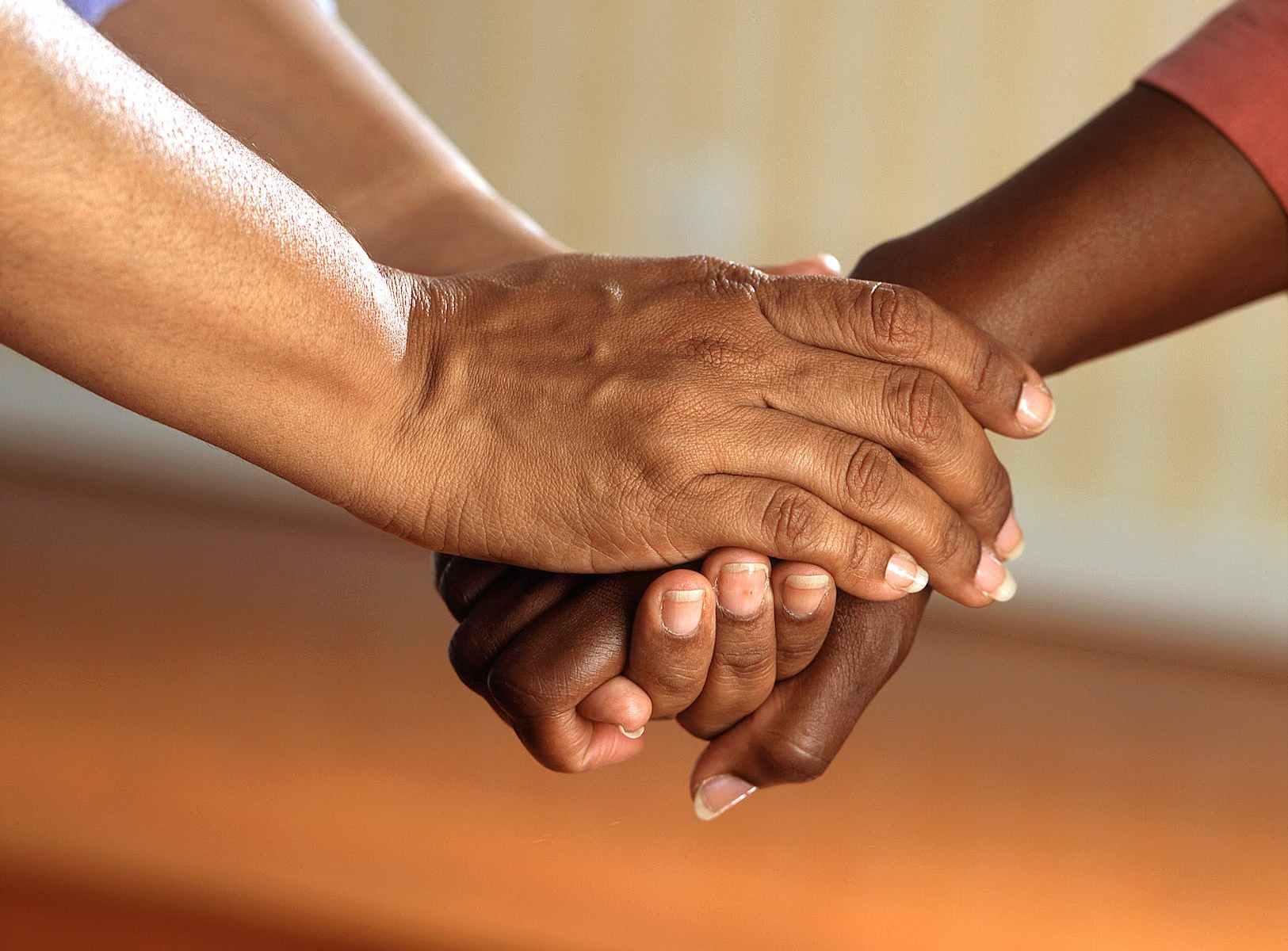
You Are Not Alone: The Importance of Reaching Out for Help


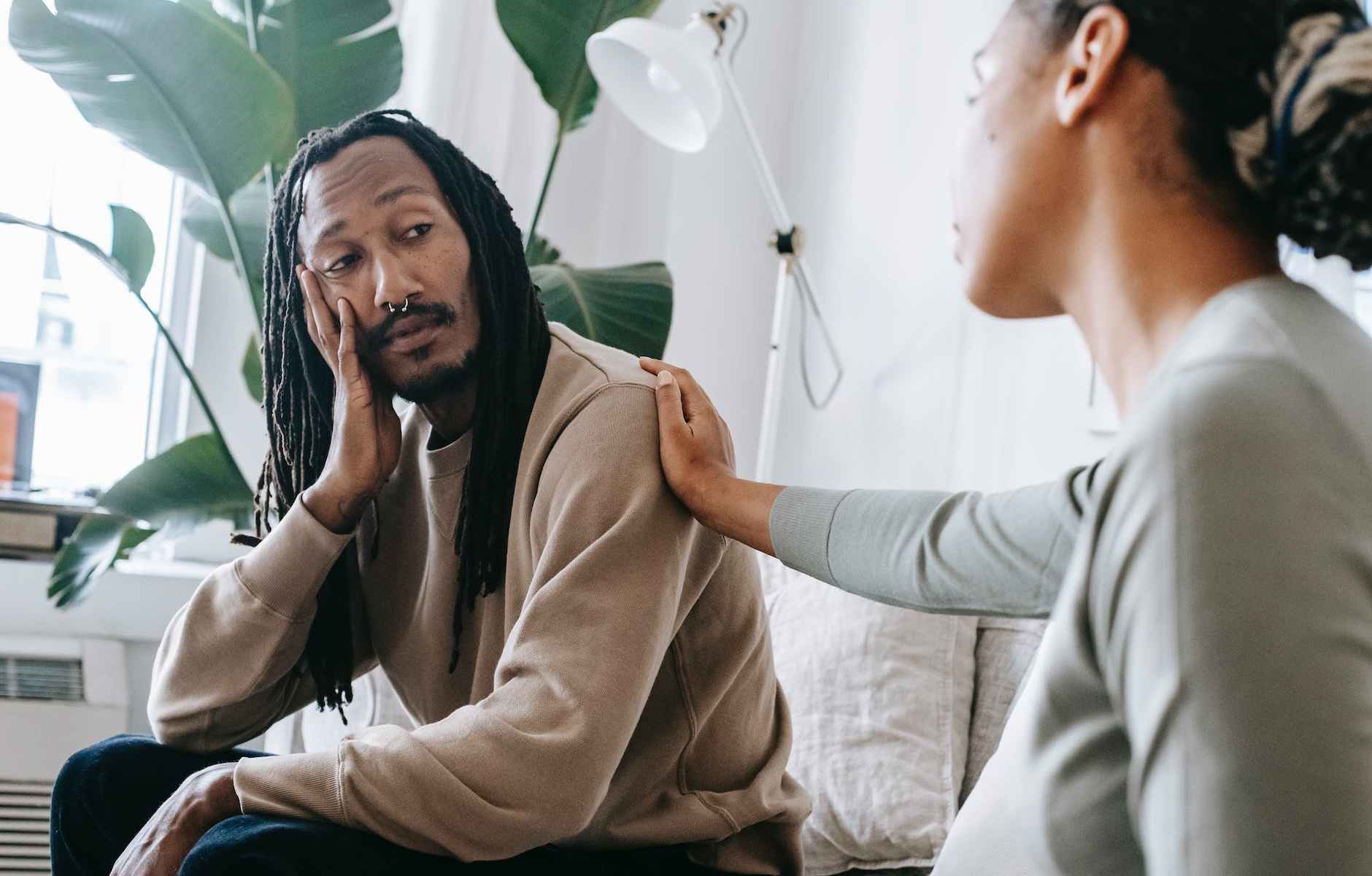
In life, we all experience moments of feeling isolated in our struggles and challenges. This sensation is often a manifestation of our fears during times of mental and emotional strain. However, the reality is that we have many people by our side who are willing to help and support us. Unfortunately, we may be too preoccupied with the moment and the stresses of life to recognize their outstretched hands.

Depression, a feeling of hopelessness, can prevent individuals from seeking the help they require. This creates a barrier between those who need help and those who are willing to provide it. Additionally, there are times when an individual is willing to help, but they do not know how to approach the person needing help.

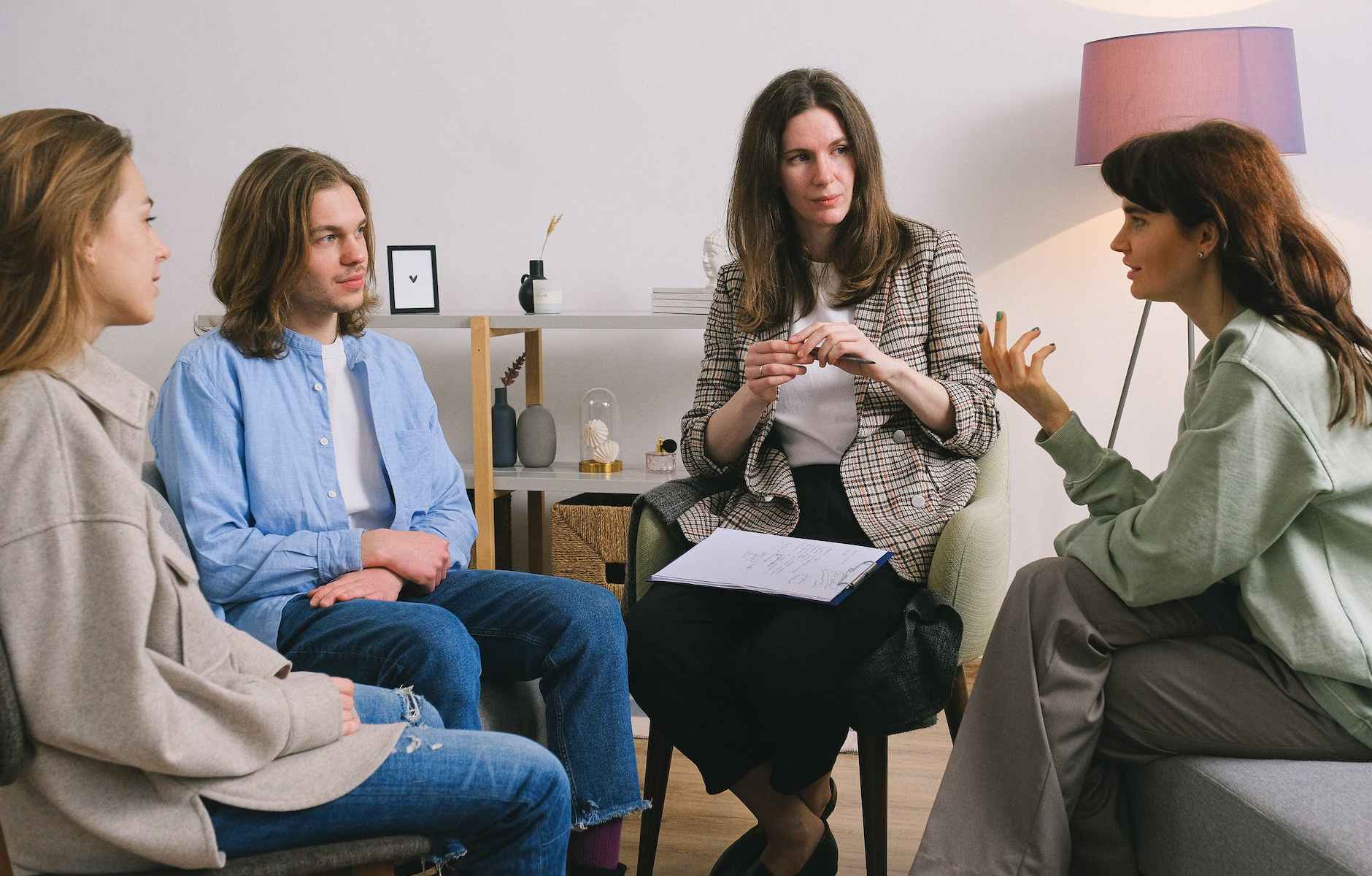
There is no shame in needing help, nor in asking for help from others. Sometimes, the only way someone can know that you need help is when you reach out to them for assistance. Asking for help can be difficult, but it is important to remember that there is no shame in needing help. It is a natural part of life to need assistance from others, and it is important to recognize that asking for help is a sign of strength, not weakness. Sometimes, people may not realize that you need help unless you reach out to them for assistance. It is important to be open and honest with those around you about your struggles and to seek help when you need it. Remember, there are people who care about you and are willing to support you through difficult times.

Reaching out to those in need of help can be a challenging task, but it is essential to remember that everyone needs help at some point in their lives. The first step is to be aware of the signs that someone may be struggling and to offer support in a non-judgmental and compassionate manner. It is important to listen actively and to validate their feelings, letting them know that they are not alone. If you are unsure how to approach the situation, there are many resources available that can provide guidance and support. Remember, asking for help is a sign of strength, and offering help is an act of kindness that can make a significant difference in someoneโ€™s life.

In conclusion, it is important to remember that everyone needs help at some point in their lives. Depression and feelings of hopelessness can create barriers between those who need help and those who are willing to provide it. However, there is no shame in needing help, and asking for help is a sign of strength. It is important to be open and honest with those around you about your struggles and to seek help when you need it. Remember, there are people who care about you and are willing to support you through difficult times. Reaching out to those in need of help can be a challenging task, but it is essential to be aware of the signs that someone may be struggling and to offer support in a non-judgmental and compassionate manner. Listening actively and validating their feelings can help them feel less alone. If you are unsure how to approach the situation, there are many resources available that can provide guidance and support. Remember, offering help is an act of kindness that can make a significant difference in someoneโ€™s life.

Some Thoughts on life and being yourself


As we age, we may experience the loss of loved ones and our social circle may shrink. It can be challenging to find and maintain friendships. However, it is important to remember that life is no more complicated than it was when we were children. We just have more self-imposed rules and knowledge of how things appear to work.

Many of us stop having fun and being silly due to our fear of being judged by society. Age sometimes brings fear instead of wisdom, and that is something we all have to deal with to one degree or another. We learn to fear the judgment of others through our youth, we reign in parts of our personality in order to conform to what society dictates as normal or we follow the behavior patterns of those who appear popular in hopes of being popular ourselves.

However, as we age, we may get over wanting to be popular, but a good portion of us still crave to be accepted and liked. If we are fortunate, we may have grown wise enough to realize it is far better to be liked and accepted for who we truly are than to be behind a mask or playing a role. The thing is, we may not always be accepted by all. But we will always find a group of people who will like us and accept us regardless of whether we fit in societyโ€™s dictation of what is normal or popular or not.

The phrase โ€œBe yourselfโ€ is an old but true adage that should be adhered to in life. Each one of us is unique, and those differences are what makes humanity capable of achieving such great things. To suppress the uniqueness within yourself is to hinder yourself from growing and moving forward in life. If you feel like you donโ€™t know who you are, try thinking about what you like and dislike doing when youโ€™re alone. The things you do or donโ€™t do when no one is looking are the basics of who you are.

The key to showing that person off to others is to be okay with the fact that some people arenโ€™t going to like it or understand it. Essentially, we hide our personalities because weโ€™re fearful of others mocking us for it. We donโ€™t want to be judged harshly. But the thing is, that doesnโ€™t have to stop you from feeling good about who you are. Thatโ€™s essentially what the people around you that you feel a need to impress are doing.

So if they can do it, why canโ€™t you do it too? So what if you donโ€™t live up to societyโ€™s expectations and do what everyone else is doing. Itโ€™s better than living a life that isnโ€™t true to who you are and makes you unhappy. Be inspired and motivated to be true to the person you know yourself to be.

The Importance of Respectful Dialogue both online and offline.


When we treat others as if they are inferior to us intellectually, socially, and/or financially, we not only harm their self-worth but also risk being viewed negatively by others. In the heat of a debate, we often forget about the feelings of others and overlook the possibility that we could be the one on the wrong side of the argument or possibly less informed than we first believed.

It is important to remember that being right in an argument is not as important as preserving the feelings of others and maintaining healthy relationships. Many times, both sides are right on many aspects of the side they argue and wrong on other points. The argument is about opposing views and what both sides perceive as facts and truths. However, it is important to recognize that many times, the sources of these facts and supposed truths may be suspect if not unreliable.

Furthermore, some arguments wind up being more about personal beliefs and opinions than facts. It is important to recognize when this is the case and to approach such arguments with an open mind and a willingness to listen to other perspectives.

In todayโ€™s world, where social media has become a primary source of information for many people, it is more important than ever to be mindful of how we interact with others online. The anonymity provided by social media can make it easy to forget that there are real people behind the screens. It is crucial that we treat others with respect and kindness, even when we disagree with them.

One way to do this is by practicing active listening. This means taking the time to truly understand the other personโ€™s perspective before responding. It also means acknowledging their feelings and validating their experiences. By doing so, we can create a safe space for open dialogue and healthy debate.

Another way to promote healthy debate is by fact-checking our sources before sharing information online. With so much misinformation circulating on social media, it is important to verify the accuracy of our sources before sharing them with others. This can help prevent the spread of false information and promote healthy debate based on facts.

In conclusion, treating others with respect and kindness is crucial in promoting healthy debate and maintaining healthy relationships. By practicing active listening and fact-checking our sources, we can create a safe space for open dialogue and promote healthy debate based on facts.

Balance and Harmony in Life: Why It Matters and How to Achieve It


Hello, dear readers. Today I want to share with you some thoughts on how to find balance and harmony in life. This is something that I have been striving for in my own journey, and I believe it is very important for everyone.

Why is finding balance and harmony in life important? Well, first of all, it is not only a personal goal, but also a social responsibility. We live in a world of division, separation, and conflict, where we tend to judge and exclude others based on their differences. This creates disharmony and imbalance in ourselves and in our society. We need to overcome our prejudices, biases, and fears, and learn to respect and embrace the diversity and dignity of all living beings. We need to realize that we are all connected and interdependent and that what we do to others, we do to ourselves.

Secondly, finding balance and harmony in life is also a spiritual journey, where we discover our true nature and purpose. We are not just physical beings, but also mental, emotional, and spiritual beings. We have a soul that transcends our body and mind and connects us to a higher power and a higher reality. We need to align our thoughts, feelings, and actions with our soulโ€™s guidance, and follow our inner voice of wisdom and love. We need to cultivate virtues such as compassion, kindness, gratitude, forgiveness, and generosity, and express them in our daily lives.

Thirdly, finding balance and harmony in life is not easy or simple. It requires constant effort, awareness, and adaptation. It also requires humility, curiosity, and openness. However, finding balance and harmony in life is rewarding, fulfilling, and meaningful. It can help us achieve well-being and happiness for ourselves and others. It can help us create a better world for ourselves and future generations.

So how can we find balance and harmony in life? Well, there is no one answer or formula for this. Each one of us has to find our own way of living in balance and harmony with ourselves, others, nature, and the divine. However, there are some general principles that can guide us along the way. Here are some of them:

  • Be mindful of your thoughts, emotions, and actions. Observe them without judgment or attachment. Notice how they affect you and others.
  • Be aware of your needs and desires. Fulfill them in healthy and constructive ways. Avoid excesses or deficiencies that can harm you or others.
  • Be flexible and adaptable. Accept changes as opportunities for growth. Learn from your mistakes and challenges.
  • Be respectful and compassionate. Treat others as you would like to be treated. Recognize the value and beauty of every living being.
  • Be grateful and generous. Appreciate what you have and what you receive. Share what you can with those who need it.
  • Be creative and playful. Express yourself in authentic and joyful ways. Enjoy the present moment.
  • Be connected and inspired. Seek guidance from your inner voice or higher power. Follow your passion and purpose.

These are some of the ways that I try to find balance and harmony in life. I hope they can inspire you as well. Remember that finding balance and harmony in life is not a destination, but a journey. A journey that we can embark on together.

Thank you for reading this blog post. I would love to hear your thoughts on this topic. Please leave a comment below.

Until next time,

Finding Balance, Helping Others, and Being Humble: A Guide to Living a Meaningful Life


We often fall into a trap of negativity, a mental state of being pessimistic and hopeless. We see the world and our life through a filter of fear, anger, and confusion instead of embracing the reality and beauty of our existence. We let things like personal issues, low self-esteem, greed, circumstances, and our ego interfere with our creativity and purpose in life.

Holding on to resentment, and choosing hate, fear or uncertainty only wastes the energy we could use to improve our lives and the lives of others. Changing our perspective from just serving our own desires and needs to a balanced approach of caring for other people’s needs and our own needs and desires. Of course, the ideal path of total selflessness and humility would be the best path to follow, but for most of us out there the balanced path would probably benefit both ourselves and others the most.

Reaching a balance between the needs of others and our needs and wants is not an easy task, but it is a rewarding one. It requires us to be mindful of how our actions and choices affect not only ourselves but also those around us. It also requires us to be compassionate and empathetic and to understand and respect the feelings and perspectives of others. It does not mean that we have to sacrifice our own happiness or well-being, but that we have to share it with others. By doing so, we can create a more harmonious and peaceful world, where everyone can enjoy the gifts of life.

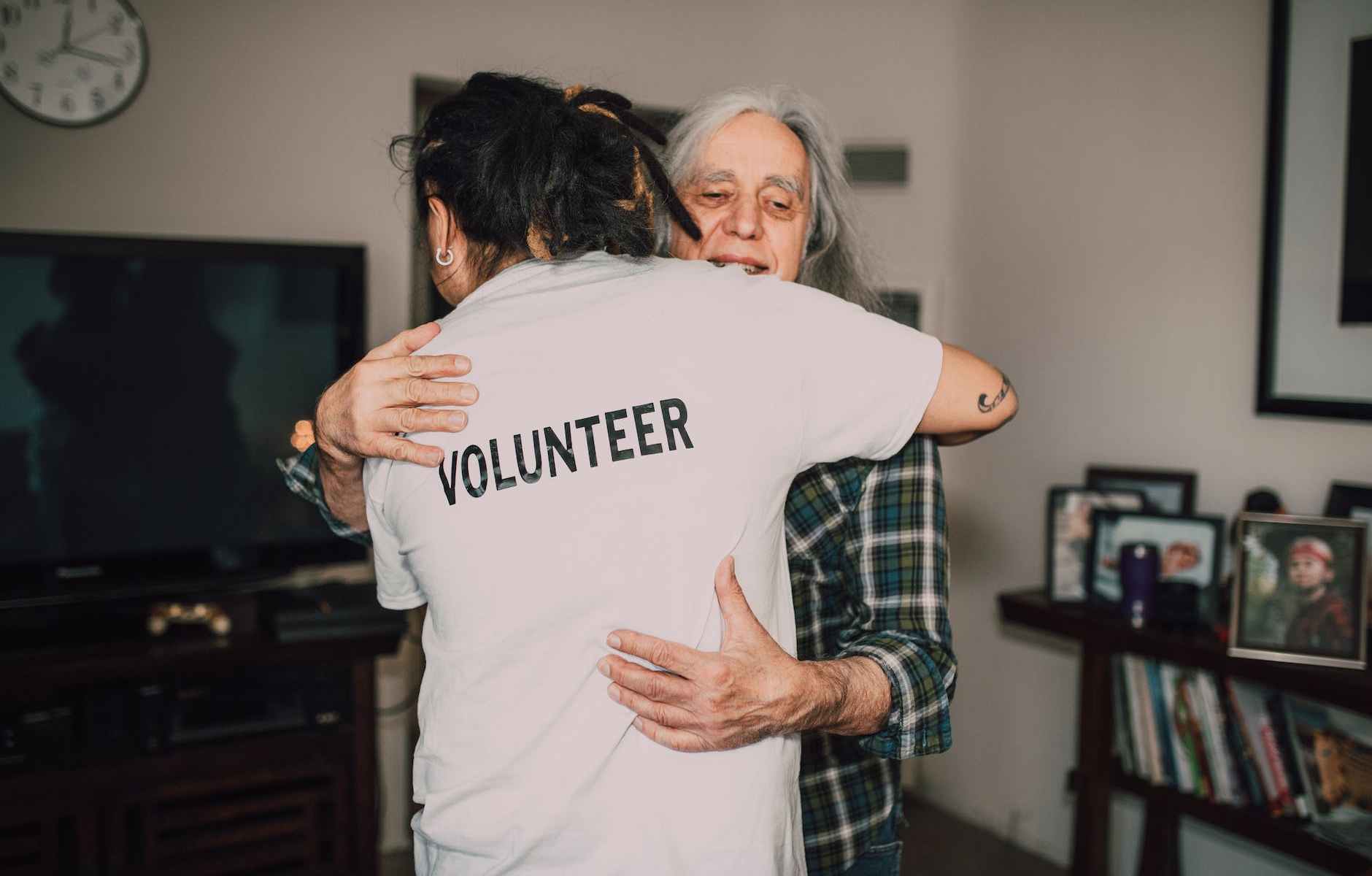
Helping others and being humble are two virtues that can enrich our lives and make us happier. When we help others, we not only make a positive difference in their lives but also in our own. We feel a sense of satisfaction, gratitude, and joy that comes from being of service to others. We also learn from their experiences, perspectives, and wisdom. Being humble means that we acknowledge our limitations, mistakes, and flaws and that we are open to learning, growing, and improving ourselves. It also means that we appreciate our strengths, talents, and achievements, but without being arrogant, boastful, or selfish. Being humble helps us to be more respectful, honest, and compassionate towards ourselves and others.

In conclusion, we have discussed how to overcome negativity, find balance, help others, and be humble. These are some of the ways that we can live a more fulfilling and meaningful life. We can also inspire others to do the same and create a ripple effect of positive change in the world. We are all connected, and we all have a purpose. We are all one lifetime, and we should make the most of it. Thank you for reading and have a blessed day.


Some Related links you may find useful

10 Ways To Help Others That Will Lead You To Success – Forbes: This article suggests some ways to share your knowledge, resources, and opportunities with others and how they can benefit you as well.

The Significance of Love and Compassion in Our Lives


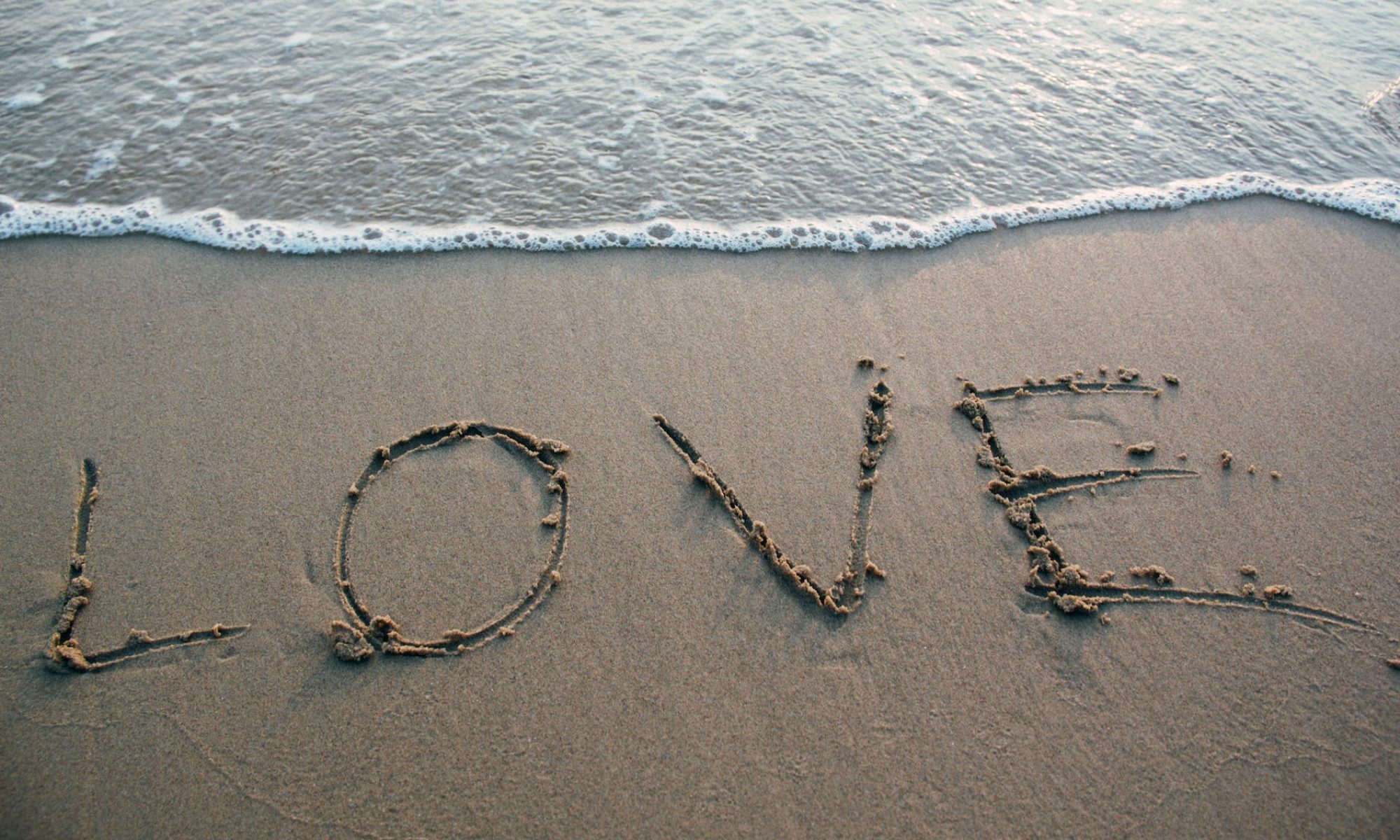
Humanity has made tremendous strides in science and technology, but we still have much to learn when it comes to mental, spiritual, and emotional growth. We often blame external forces for the turmoil and destruction that we create ourselves. However, blaming and pointing fingers never solve any issue. Instead, we should focus on enacting change within ourselves and inspiring change in those around us. Love, peace, understanding, and compassion are like seeds that grow and bear fruit to spread themselves further.

On the other hand, things such as lust, greed, and hate are like viruses that quickly spread from person to person. The main difference is that fruit nourishes the body, mind, and soul while a virus corrupts and eats away at them. We can choose to embrace whichever one we desire, but we must know the cost, consequence, and reward of each. Good works alone will not get us to heaven but they are part of the journey towards being the people that God created us to be.

As the Bible tells us, even the wicked do good things for their loved ones and family. Therefore, we must take it further by being compassionate, loving, and kind towards all living things – be they friend or foe – as no man or woman is greater or lesser than another. We should love one another unconditionally without hesitation.

The things that most people seek, such as wealth, social status, and physical beauty, are all fleeting and will eventually be the dust we came from. Therefore, what worth should we put upon such temporary things? On this earth, there are many religions and many do not believe in God. The gift of free will made this possible and it is the will of God that we have the choices to believe as we wish. So spread the Gospel but respect the right of others not to believe or to believe differently. Be at peace with everyone, even those you see as enemies. The compassion you show others will not be forgotten.

Living Authentically: How to Be True to Yourself


Words are powerful. They have the ability to convey thoughts and feelings and bring ideas to life. But words alone are not enough. To truly bring them to life, we must live by them. We must act on our good ideas and live by wise words, not just read them and cast them aside.

Simple sayings like the golden rule should be a part of our being, not just a phrase we spout when itโ€™s convenient. Too many people claim to be one thing while acting the opposite. Hypocrisy is rampant in politics, religion, and society as a whole.

We are all guilty of hypocrisy at some point in our lives. But if we want to live an honest and authentic life, we must be true to ourselves and others. We must stop deceiving ourselves and others and be open about who we are.

Words are indeed powerful and can convey thoughts and feelings and bring ideas to life. However, words alone are not enough. To truly bring them to life, we must live by them. We must act on our good ideas and live by wise words, not just read them and cast them aside.

To live by your words and be true to yourself, you need to take responsibility for your own happiness. You also need to be honest with yourself and let your heart speak (not just your head). You should remove negative influences and spend time alone with yourself (stop avoiding yourself). Stop trying to be what others expect you to be and choose authenticity over popularity. Learn how and when to say โ€œNoโ€.

Here are some more tips on how to live life by staying true to yourself :

  • Be confident in doing what you love and what makes you happy without fearing judgment from others.
  • Realize that you are enough and you are important.
  • Surround yourself with authentic people who support you in your journey.
  • Live according to the values and beliefs that you hold most dear.
  • Commit to living and working according to your core values.

In the end, our true selves will be revealed to those around us. So letโ€™s live by our words and be true to ourselves.

Empathy, Compassion, and the world we live in.


Living in a world where the older you get, the less you matter to the government and society is disheartening. It’s a world where those who have more than they need only hoard it and try to prevent others from finding their own wealth. The poor, unhealthy, and aging are considered disposable and unwanted.

It’s sad to see that we haven’t learned anything from our past. We ignore the teachings of great prophets and religious figures from many religions. We pay no heed to the words of philosophers, dreamers, and wise men from the past or present.

Our world seems to lack empathy and compassion. It’s full of apathy, envy, greed, and fear. Imagine if we all had compassion and empathy for one another. If we made it our priority to help those in need and focused on making the world a safer and happier place for everyone to live in. If we could learn to put prejudice, fear, and hate behind us and embrace diversity, inclusion, and love one another as we are taught by religions and great thinkers of the past and present.

We don’t always have to agree with others’ decisions, but we should always respect their right to choose their own path in life. Most of what people fear is just an illusion brought on by fear itself. If you educate yourself and stay true to your values, then others’ actions usually won’t affect you. Of course, this doesn’t apply to crimes, whether violent or not.”

Life can be tough, and weโ€™re often our own harshest critics. Thatโ€™s why itโ€™s important to avoid judging others or at least judge them with great compassion and empathy. Forgiving others and yourself is key to finding a happier path in life. It does more for the forgiver than the forgiven in the end. It releases you from the hurt and anger associated with the wrong done to you and allows you to move forward.

How to Find Common Ground in a Divided World


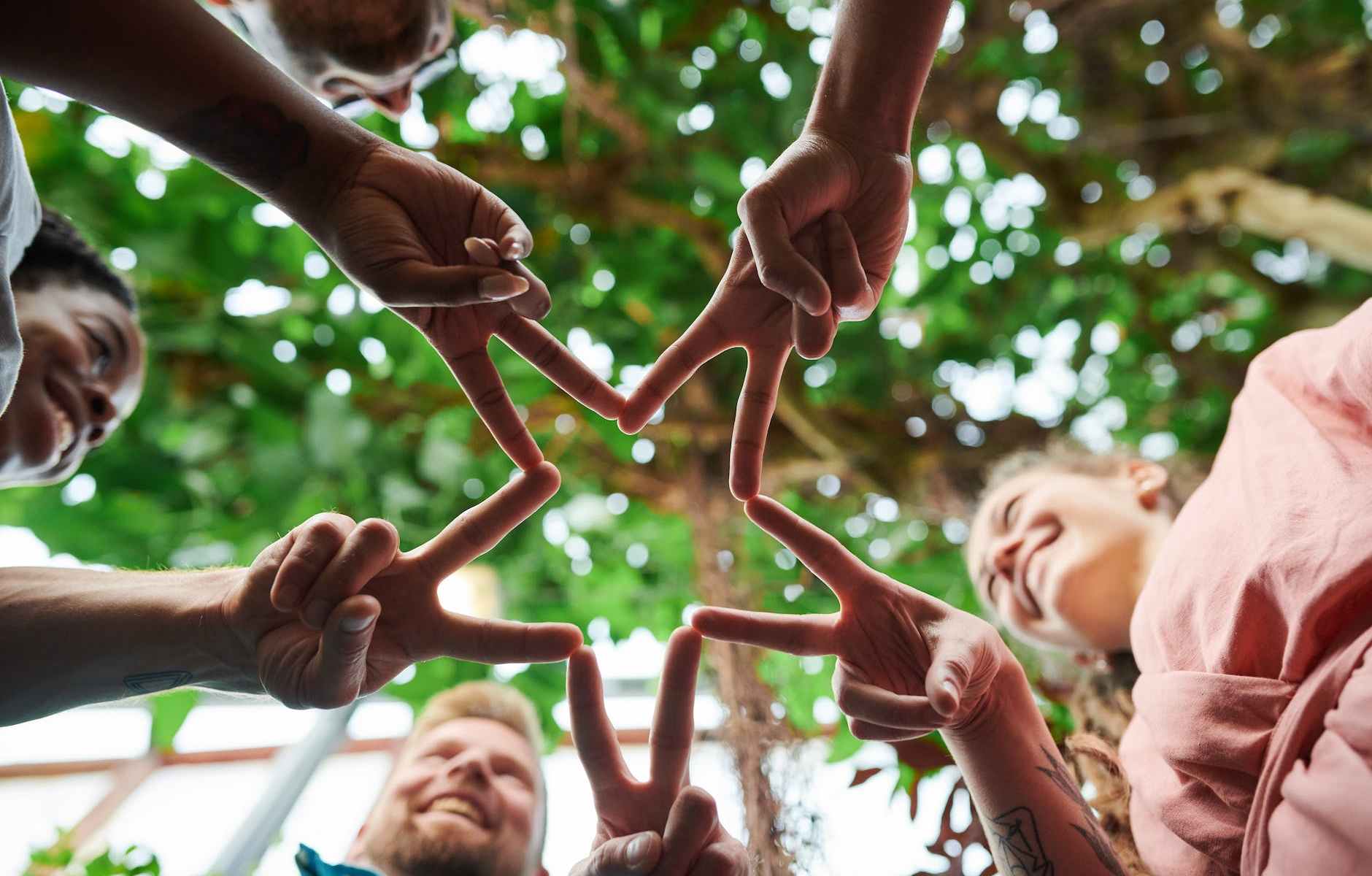
We live in a divided world. We see so much conflict, violence, and hatred around us. We see people fighting over politics, religion, culture, and other issues. We see people who are different from us as enemies, not as fellow human beings. We see more reasons to separate ourselves from each other than to unite with each other.

This is not good for us. This is not good for our world. When we are divided, we are weaker. We are more vulnerable to the problems that affect us all, such as poverty, disease, climate change, and terrorism. We are also missing out on the beauty and diversity that each person and group can bring to our world.

How can we overcome this division and find common ground? How can we build bridges instead of walls? How can we foster peace instead of war?

There is no easy answer to these questions, but there are some steps we can take to start the process. Here are some tips on how to find common ground in a divided world:

  • Be curious and open-minded. One of the main reasons why we are divided is because we don’t understand each other. We don’t know what makes each other tick. We don’t know what scares, inspires, or challenges each other. We don’t know what values, beliefs, or experiences each other holds. To find common ground, we need to be curious and open-minded about each other. We need to ask questions, listen actively, and learn from each other. We need to be willing to challenge our own assumptions and biases and to respect different perspectives and opinions.
  • Be empathetic and compassionate. Another reason why we are divided is because we don’t care about each other. We don’t feel what each other feels. We don’t share each other’s joys and sorrows. We don’t recognize each other’s dignity and humanity. To find common ground, we need to be empathetic and compassionate towards each other. We need to put ourselves in each other’s shoes and try to understand how they feel and why they act the way they do. We need to acknowledge each other’s emotions and needs and offer support and kindness when needed.
  • Be respectful and civil. A third reason why we are divided is because we don’t respect each other. We don’t treat each other with courtesy and decency. We don’t honor each other’s rights and freedoms. We don’t appreciate each other’s contributions and achievements. To find common ground, we need to be respectful and civil towards each other. We need to use polite and constructive language and avoid insults and attacks. We need to follow the rules of fair and honest dialogue and avoid interruptions and distractions. We need to celebrate each other’s strengths and talents and acknowledge each other’s efforts and improvements.
  • Be cooperative and collaborative. A fourth reason why we are divided is because we don’t work with each other. We don’t cooperate on common goals and interests. We don’t collaborate on creative solutions and innovations. We don’t coordinate effective actions and strategies. To find common ground, we need to be cooperative and collaborative with each other. We need to identify areas of agreement and alignment and build on them. We need to generate ideas and options that benefit everyone involved and select the best ones together. We need to implement plans and projects that achieve positive outcomes for all stakeholders.

Finding common ground in a divided world is not impossible, but it requires effort and commitment from all of us. It requires us to be curious, empathetic, respectful, and cooperative with each other. It requires us to see beyond our differences and discover our similarities.

By finding common ground, we can create a more peaceful world for ourselves and for future generations.

We have one lifetime to make a difference in this world. Let’s make it count.

Respect, dignity and the Elderly.


Respecting and appreciating others for who they are and what they mean to us is a valuable lesson for everyone. Many people struggle with feeling invisible or insignificant, which can damage their self-confidence and mental well-being. This is especially true for the young and the old, who often face more challenges and discrimination in life. Whether itโ€™s because of legal restrictions, health issues, or generational gaps, they may feel powerless or unwanted by society.

We are all important and worthy of recognition in this world. We all deserve to be loved, to love, and to live with dignity. Sadly, this world is full of division, injustice, and very unequal distribution of power and wealth. Those who have plenty seem to be blind to the suffering of those who have nothing, fear and greed keep it that way, sadly.

Recently, the government has taken some steps to provide financial assistance to children and reduce child poverty, which is a positive sign of their commitment to improving children’s well-being. However, the elderly population seems to be under constant attack by some in Congress due to their views on Entitlement programs such as Social Security, Medicare, and Medicaid.

How come the spending cuts always target the programs that are meant to help the most vulnerable and needy members of our society and those who cannot fend for themselves? The older generation is the one that contributed their taxes throughout their careers, elected most of those in office, created the technology we use today, and shaped this great nation we live in. They deserve more respect than they are getting from those in power.

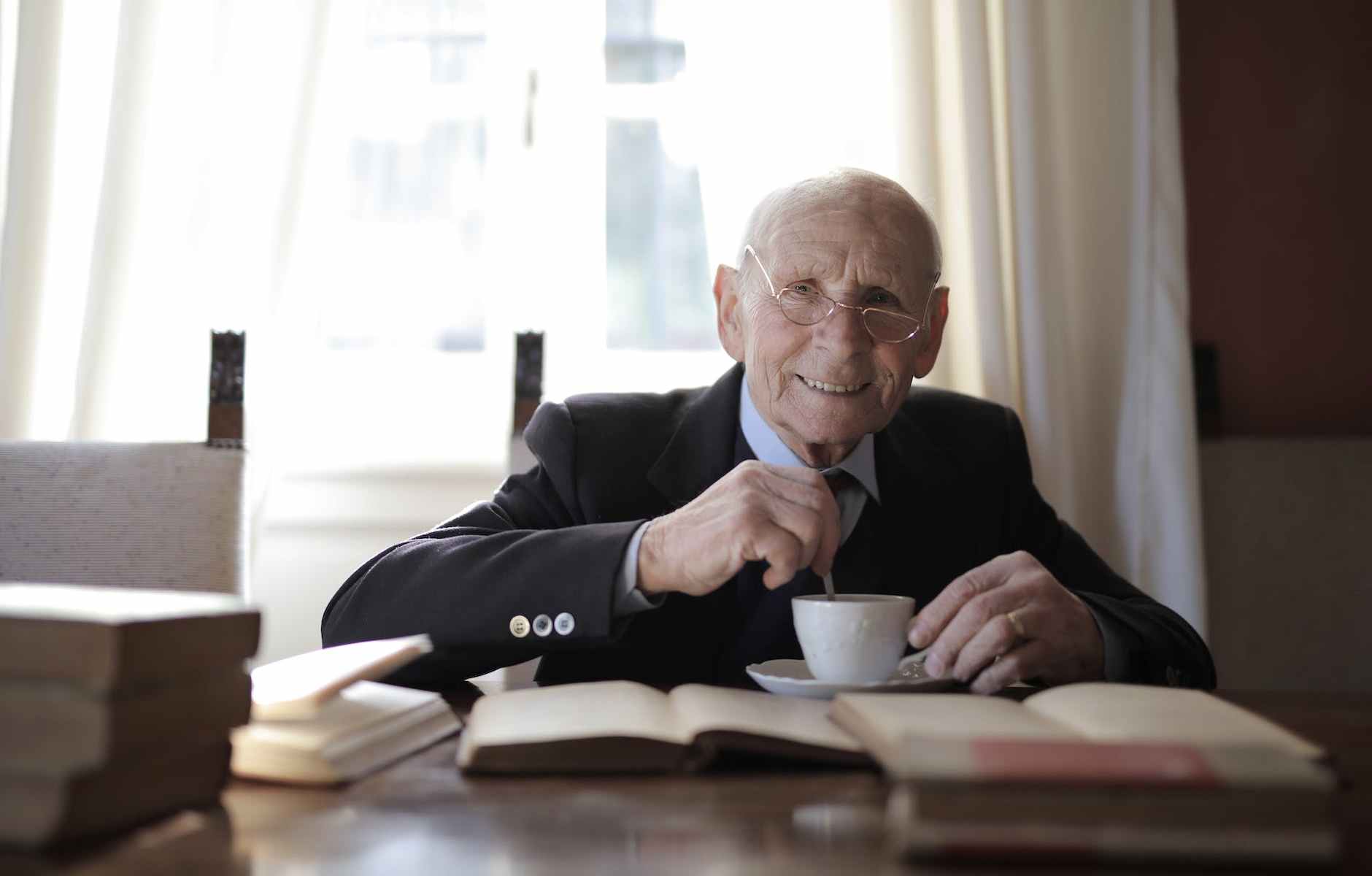
I urge the young to remember that you will one day grow old and need or want some of the benefits that some in Congress want to reduce or eliminate. The elderly are your parents and grandparents too. Not everyone has the same chance to prepare for retirement due to low income and factors beyond their control. The elderly deserve to be honored, appreciated, and respected not only for the work they have done but for the wisdom and knowledge they have to offer to others.

Respecting and caring for the elderly is a common theme in almost every religion, and different religions have their own views on how to do so. Some of these views are as follows:

Christians believe that God commands them to honor their parents and to care for the elderly with gratitude and love. They follow the example of Jesus, who was compassionate to the elderly and gave his mother to his disciple John before he died on the cross.

Muslims respect and honor the elderly for their contributions and sacrifices to society. They have a duty to care for their parents and to show mercy and compassion to the elderly. They look up to Prophet Muhammad (peace be upon him) who established Islam at an old age and honored his elderly companions.

Hindus revere the elderly as venerable and worthy of respect. They think that caring for the elderly is a sacred duty and a way of repaying the debt to their ancestors. They also think that the elderly have spiritual knowledge and experience that can guide the younger generations. They follow a four-stage model of life, in which the last stage is renunciation, where one detaches from worldly affairs and devotes oneself to God.

Buddhists value the elderly as teachers and role models of the Buddhist path. They think that caring for the elderly is a way of practicing compassion and generosity, two of the main virtues in Buddhism. They also think that the elderly have insight and wisdom through their life experiences and can help others overcome suffering. They follow a five-precept code of ethics, which includes respecting life, property, speech, sexuality, and mind.

Jews honor the elderly as bearers of tradition and heritage. They think that caring for the elderly is a mitzvah (commandment) and a form of honoring God. They also think that the elderly have a special connection with God and can offer blessings and prayers for others. They follow the Torah (law) as their guide for life, which includes many rules and rituals regarding respect for parents, elders, and teachers.

These are some of the teachings and views of the major religions of the world on caring for the elderly. They show that the elderly have a special status and a right to be treated with respect, dignity, and kindness. They also show that caring for the elderly is a way of expressing one’s faith, values, and gratitude. By learning from these teachings and views, we can appreciate the diversity and richness of the world’s religions and cultures, and we can also improve our own attitudes and behaviors toward the elderly.