Words can heal or they can hurt, how we use what we say can make a big difference in both our lives and the lives of others. How we act around others and how we treat them has a big impact on their lives and in the end, will come back around to impact our lives as well. Those living in the U.S. and similar countries where freedom of speech is celebrated are more likely to face hate and angry speech than in other countries. People take advantage of that right to free speech without realizing they also have to be responsible for the words they speak and the consequences of those words.
Photo by Henri Mathieu-Saint-Laurent on Pexels.com
Politicians are one of the greatest abusers of the freedom of speech right in modern times. They will spout out whatever Rhetoric will motivate their political base to get the votes to either gain power or maintain it. Both republican and democrat parties have used such practices to sway public opinion and gain power in congress. But yet if the politicians only told the truth and debated about things respectfully, most people would probably not even pay the politicians much mind. Seems people are more likely to pay attention to politics as long as there is some sort of drama going on.
The sad part is that political rhetoric has gone to the extreme and acts of violence motivated by such rhetoric are becoming more commonplace. what is even worse is some political figures make light of the violence and joke about it. How can we as a nation face the world if we vote for people who have no care for the wellbeing of others into office? How can we overlook every fault and defect in a candidate just so we can get either a party in power or get one agenda through congress? Sad time for American politics and the American people.
We need to be responsible-minded when it comes to what we say and do, especially if we are in a position of influence. What our words and actions bring about down the line we are partial if not wholly responsible for. It is your life, your voice, and your choice of how to use the time you have on earth. You can choose to spend it doing for others and being kind or be one that is about only yourself. Either way, you are responsible for your actions and words.
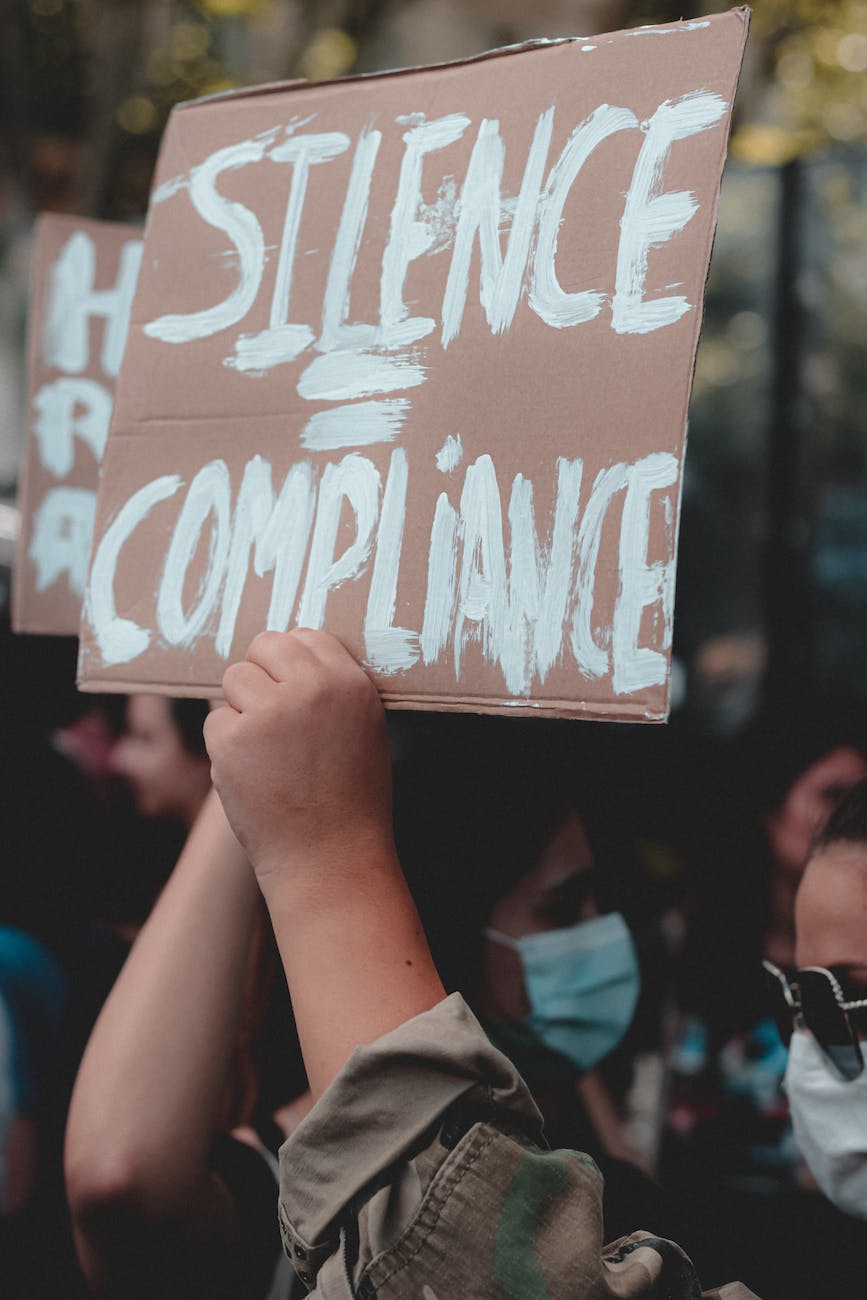
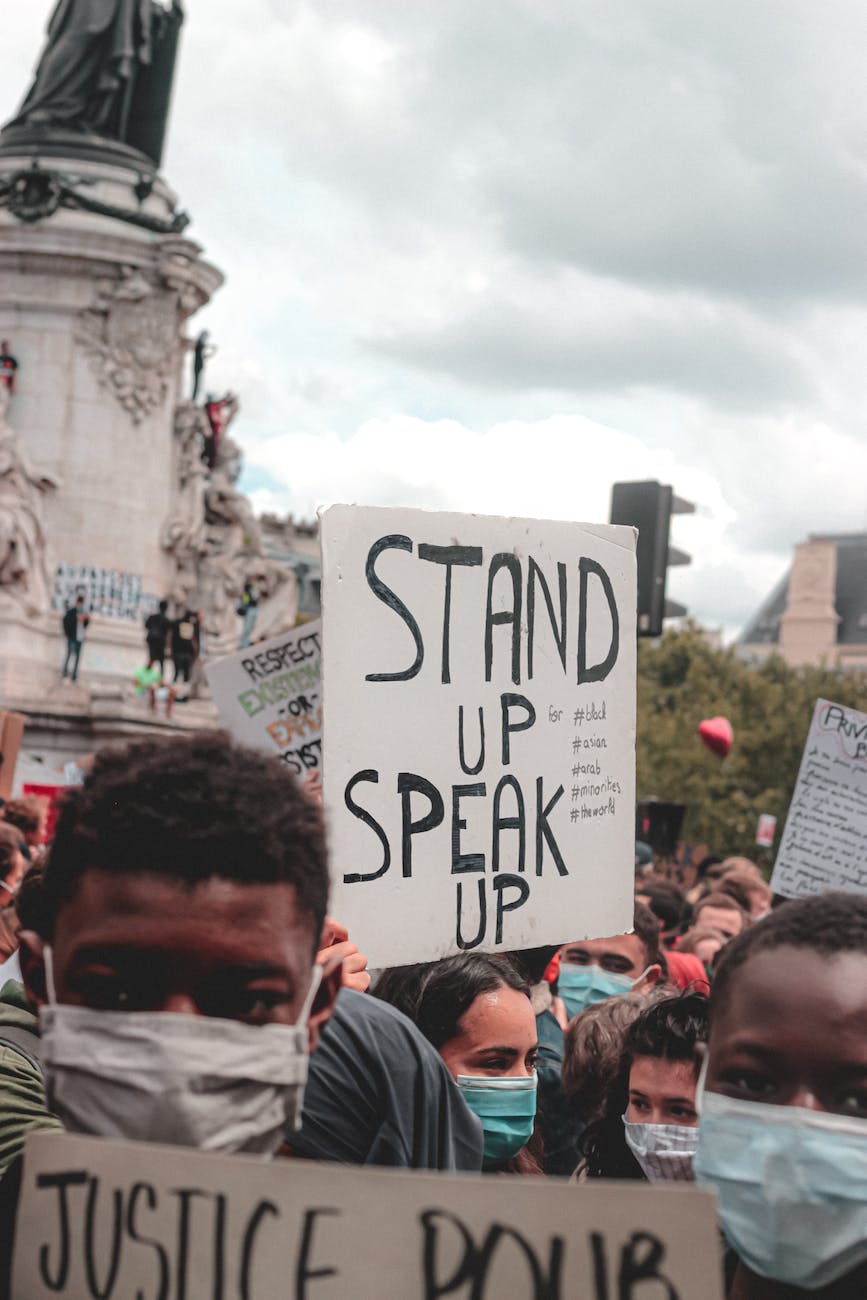
There of course are those in congress that don’t go along with the rhetoric nor support it, to those I say stand up and get your voices heard. For sitting in silence is the equivalent of supporting the words and actions of those you disagree with. We need more Bi-Partisanship and less rhetoric in congress, regardless of what party you belong to, you are supposed to be there for all of the people that you represent, not the party you are affiliated with.
In the end, we need to remember there are real people out there that may be affected by our words and actions. Those people deserve the same respect as we ourselves desire and deserve as well. We must remember the golden rule of treating others as we would like to be treated ourselves. The question we must ask ourselves is whether would we like to be treated the way we are treating people in our lives or not.
Politicians not only represent us in government but they also represent us all to the world, how they act and what they say not only affect people here in our country, it also affects how other countries view our country and the people who live in it. One of the many reasons why we, the people they represent should care about what they say and do.
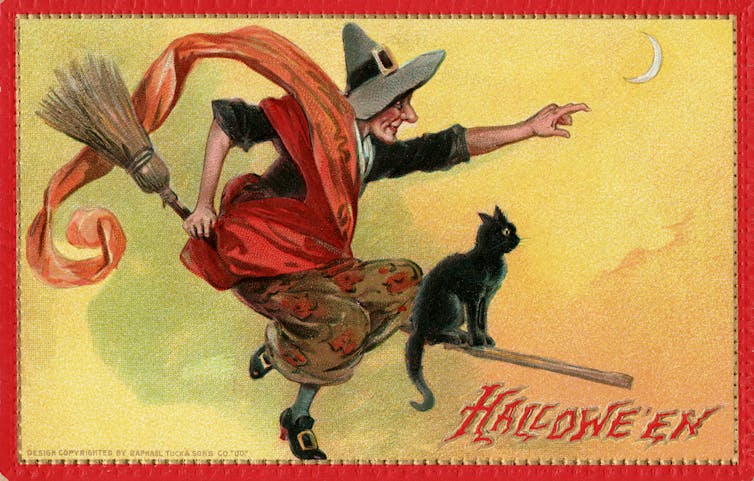
How was Halloween invented? – Tillman, age 9, Asheville, North Carolina
“It’s alive!” Dr. Frankenstein cried as his creation stirred to life. But the creature had a life of its own, eventually escaping its creator’s control.
Much like Frankenstein’s monster, traditions are also alive, which means they can change over time or get reinvented. Built from a hodgepodge of diverse parts, Halloween is one such tradition that has been continually reinvented since its ancient origins as a Celtic pagan ceremony. Yet beneath the superhero costumes and bags of candy still beats the heart of the original.
The Celts lived in what’s now Ireland as far back as 500 B.C. They celebrated New Year’s Day on Nov. 1, which they called Samhain. They believed that leading up to the transition to the new year, the door between the worlds of the living and the dead swung open. The souls of the recently dead, previously trapped on Earth, could now pass to the underworld. Since they thought spirits came out after dark, this supernatural activity reached its peak the night before, on Oct. 31.
The Celts invented rituals to protect themselves during this turbulent time. They put on costumes and disguises to fool the spirits. They lit bonfires and stuck candles inside carved turnips – the first jack-o’-lanterns – to scare away any spirits looking for mischief. If all else failed, they carried a pocketful of treats to pay off wayward spirits and send them back on their way to the underworld.
Sound familiar?
Although focused on the dead, Samhain was ultimately for the living, who needed plenty of help of their own when transitioning to the new year. Winter was cold and dark. Food was scarce. Everyone came together for one last bash to break bread, share stories and stand tall against the dead, strengthening community ties at the time they were needed most.
When Catholics arrived in Ireland around A.D. 300, they opened another door between worlds, unleashing considerable conflict. They sought to convert the Celts by changing their pagan rituals into Christian holidays. They rechristened Nov. 1 “All Saints Day,” which today remains a celebration of Catholic saints.
But the locals held on to their old beliefs. They believed the dead still wandered the Earth. So the living still dressed in costumes. This activity still took place the night before. It just had a new name to fit the Catholic calendar, “All Hallows Eve,” which is where we got the name Halloween.
Irish immigrants brought Halloween to America in the 1800s while escaping the Great Potato Famine. At first, Irish Halloween celebrations were an oddity, viewed suspiciously by other Americans. As such, Halloween wasn’t celebrated much in America at the time.
As the Irish integrated into American society, Halloween was reinvented again, this time as an all-American celebration. It became a holiday primarily for kids. Its religious overtones faded, with supernatural saints and sinners being replaced by generic ghosts and goblins. Carved turnips gave way to the pumpkins now emblematic of the holiday. Though trick-or-treating resembles ancient traditions like guising, where costumed children went door to door for gifts, it’s actually an American invention, created to entice kids away from rowdy holiday pranks toward more wholesome activities.
Halloween has become a tradition many new immigrants adopt along their journey toward American-ness and is increasingly being exported around the world, with locals reinventing it in new ways to adapt it to their own culture.
What’s so special about Halloween is that it turns the world upside down. The dead walk the Earth. Rules are meant to be broken. And kids exercise a lot of power. They decide what costume to wear. They make demands on others by asking for candy. “Trick or treat” is their battle cry. They do things they’d never get away with any other time, but on Halloween, they get to act like adults, trying it on to see how it fits.
Because Halloween allows kids more independence, it’s possible to mark significant life stages through holiday firsts. First Halloween. First Halloween without a parent. First Halloween that’s no longer cool. First Halloween as a parent.
Growing up used to mean growing out of Halloween. But today, young adults seem even more committed to Halloween than kids.
What changed: adults or Halloween? Both.
Caught between childhood and adulthood, today’s young adults find Halloween a perfect match to their struggles to find themselves and make their way in the world. Their participation has reinvented Halloween again, now bigger, more elaborate and more expensive. Yet in becoming an adult celebration, it comes full circle to return to its roots as a holiday celebrated mainly by adults.
Halloween is a living tradition. You wear a costume every year, but you’d never wear the same one. You’ve changed since last year, and your costume reflects that. Halloween is no different. Each year, it’s the same celebration, but it’s also something totally new. In what ways are you already reinventing the Halloween of the future today?
Hello, curious kids! Do you have a question you’d like an expert to answer? Ask an adult to send your question to CuriousKidsUS@theconversation.com. Please tell us your name, age and the city where you live.
And since curiosity has no age limit – adults, let us know what you’re wondering, too. We won’t be able to answer every question, but we will do our best.
Always amazed me how people can find reasons to hate or dislike others much easier than they can find reasons to love one another. Fear plays a big part in that I believe, and fear usually stems from not knowing or a bad experience. Hate either is fueled by fear or taught to us by family or peers.
How can the color of a person’s skin make that person superior or inferior I ask? A human is human no matter what color their skin is and there is no superior or inferior. Why can’t we just respect each other’s decisions on how we want to live our lives, we don’t always have to agree on things or condone the actions of others just accept it is their choice. Unconditional love for one another as one big family called the human race is what we need. Compassion for other people, acceptance of who they are, and unconditional love for all life.
I guess there will always be those that choose to hate and fear, and there will always be those who want to believe they are above or better than other people. One day I hope they become a very small minority and lose their ability to disrupt society and cause harm. All we can do as a society is try to teach our young not to follow such negative narratives and teach them the importance of helping those in need.
Life in itself can be quite challenging at times, trying to navigate the pitfalls in relationships and maintaining a certain level of self-respect along with good self-esteem is a hard thing to achieve. Not only do you have to endure the negative comments of peers and family, you also have to keep your own negative thoughts down as you try and keep positive. Some people are fortunate and have a great family and group of friends to help them through it all, but most have a mixed bag of supportive and semi-toxic peers and family.
In my case, I had a supportive mother but my father was not around as much as I needed and when he was he just couldn’t relate to me. My brother was one of those womanizing alpha male types who tried to dominate me and mold me into a younger version of himself. I think both my dad and brother had good intentions in their actions, just they didn’t know how to relate to or deal with me since I was more of a passive easygoing person who had some self-esteem issues.
Low self-esteem and poor self-image plagued me throughout my life. I went through the blaming my dad and brother stage until I realized that I am the one holding on to those feelings and that it was a collection of experiences I went through in life in general that contributed to the problem more than just those two people in my life. In a nutshell, my peers and family may have contributed to my poor self-image and low self-esteem but it is I who held on to it and believed the negative thoughts in my mind.
Relying on others to define your worth through their opinions is one of the key contributors to low self-esteem. Even if you don’t do that consciously, you absorb both the positive and negative opinions of your peers and family. You need to shake off the negative and start re-enforcing the positive by focusing on your positive traits. The sooner you realize you are unique and that you are just as important as everyone else in the world the sooner you will start to heal.
Be yourself, love who you are, and know that you are not lesser than any other person. You may have had different circumstances and have lived in a different environment than others, but you have the same opportunity to change yourself and succeed in life as long as you are willing to work for it. Sometimes you may have to work harder due to circumstances, but if you hang in there and give it your all you can rise above those circumstances. Just remember to be open to others helping you along the way and be there to help others along the way as well.
Comparing yourself to others is not a good way to evaluate your self-worth. Each person is unique and therefore we all will not succeed in the same way or at the same things. Instead of comparing yourself to others, find a person who inspires you, one that you would like to be like,, and strive to be similar to them. You will never be exactly like that person but you will be similar and the differences between you and that person makes you unique.
Try to avoid defeatism, stop saying you can’t do something until after you have given it your best shot. Too many people will fail at doing something without ever trying because they get stuck in the I can’t do that loop. Change I can’t into let’s see if I can or yes I can do this. You will never know if you can do something until you at least attempt to do it once. It’s far better to fail after giving it your best shot than to not try at all due to your fear of failure.
Being we all are unique and are individuals, how we have to deal with self-esteem and self-worth may vary. In the end, it is all about how you respond to the opinions of others.
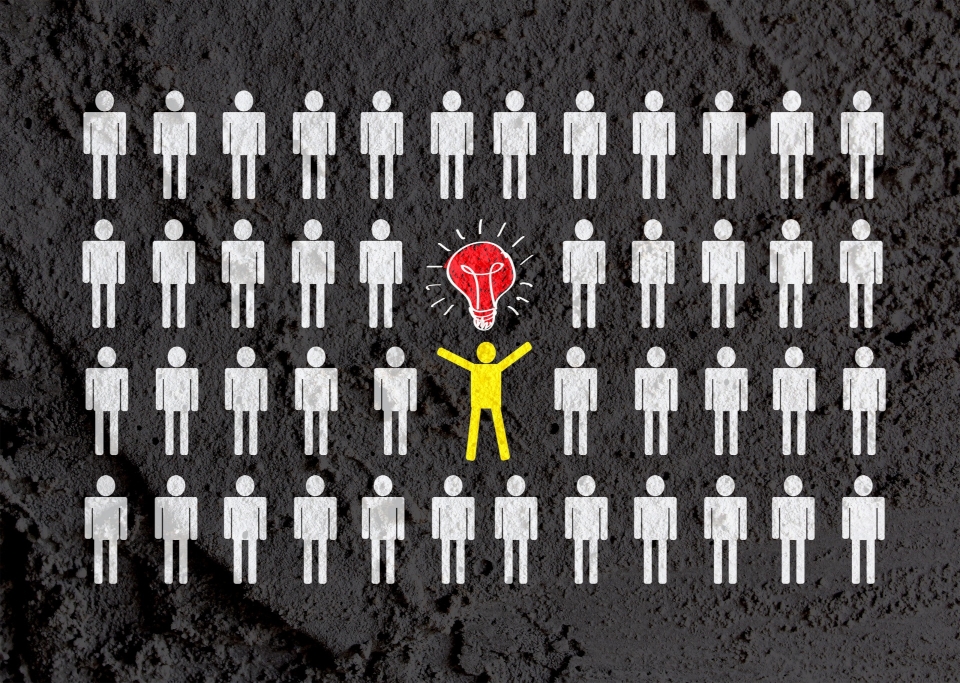
A lie can appear as a Truth if it is repeatedly told and people either accept it or do nothing to bring it to light. Though a lie can never be the truth, it can be an accepted fact in society even if it is nothing more than an illusion. The reason why we should not be apathetic and allow lies to be left to become illusionary facts. It tends to happen often due to humanity’s tendency to be tribal, that herding / tribalistic nature most of the time hinders one’s ability to think for themselves and gets one caught up in the beliefs of the tribe.
It has been seen throughout humanity’s past in everything from superstition, to religious dogma, and within the political arena. If it wasn’t for free thinkers, rebels against the held beliefs of their times we may have never gotten beyond thinking the earth was flat, the earth is the center of the universe, and so on. Those people did not fall prey to their tribal mentality as much or they found a way to sidestep it completely. They broke through both the lies and misconceptions of the times they lived in.
In modern times it is far easier to deceive multitudes of people due to the invention of television, the radio, and the internet. Recently there has been a great attack on the trust we had in the news agencies we once saw as the guardians of our democracy. They once stood as the pillars of truth and the watchdogs for the civilians and now the major news agencies tend to be more of political propaganda machines. Mixing some news with tons of opinion and conjecture for the sole purpose of swaying viewers to embrace or follow the political agenda of the news organization be it conservative or liberal base.
It is best not to be like sheep and follow any news organiztions political propaganda, it is far better to be a individual that thinks for themselves, questions everything you hear and see. Trust but verify as the old saying goes, never take something at face value. Far as the political issue, their is a need for both liberal and conservitive since too much of one or the other leads to extremes and that tends to cause turmoil in the end. Balance and moderation has worked far better for our democracy all these years than any given time we went to one extreme or another.
The lies will continue as long as humanity exists, but the only way to take down a lie is to seek out and find the truth. Be vigelant and keep your eyes open so you can see beyond what they try to put before you as a distraction. Remeber to question all that you see and hear in these modern times, do your best to follow truth over falling for lies in this life time.
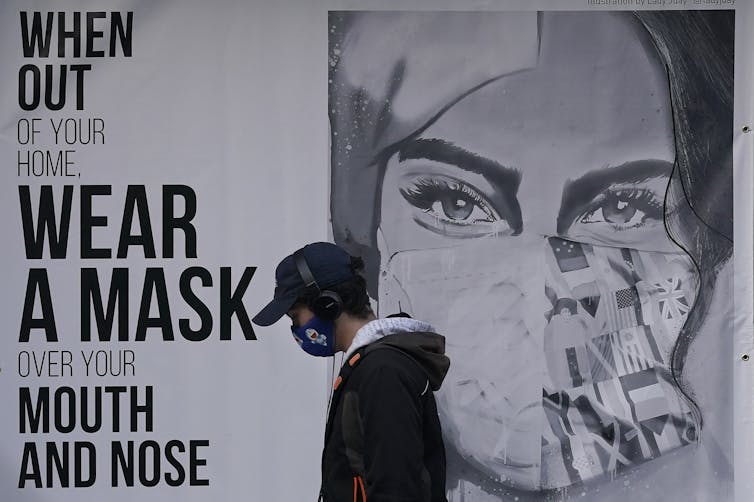
Since health officials confirmed the first COVID-19 cases, misinformation has spread just as quickly as the virus. Social media may have made the amount, variety and speed of misinformation seem unprecedented, but COVID-19 isn’t the first pandemic where false and harmful information has set back public health.
What sets the COVID-19 pandemic apart, however, is the sheer magnitude of damaging disinformation put in circulation around the world. Data shows that regions and countries where disinformation thrived experienced more lethal pandemic waves despite vaccine availability. In the U.S., for example, viewership of a Fox News program that downplayed the pandemic is associated with increased COVID-19 cases and deaths. Similarly in Romania, disinformation is a contributing factor to the country’s disastrous fourth wave of COVID-19. https://www.youtube.com/embed/Xl9zgDGko5U?wmode=transparent&start=0 The COVID-19 infodemic began as soon as the first few cases of infections were confirmed.
The problem of misinformation has been so widespread that it has its own word: “infodemic,” a portmanteau of “information” and “epidemic.” Coined by journalist David Rothkopf during the 2003 SARS outbreak, it describes a situation where “a few facts, mixed with fear, speculation and rumor, are amplified and relayed swiftly worldwide by modern information technologies.”
Infodemics can affect economies, politics, national security and public health. The COVID-19 infodemic became such a problem that the Royal Society and the British Academy released an October 2020 report noting its significant impact on vaccine deployment, endorsing legislation that prosecutes those who spread misinformation.
As a researcher who studies HIV and lived through the AIDS pandemic, I felt a sense of déjà vu as COVID-19 disinformation spread. In the 40 years since the emergence of AIDS, society has learned how to cope with the disease with more effective diagnostics, treatments and preventive strategies, transforming AIDS from a lethal condition to a chronic disease.
In general, these groups tend to also deny germ theory, claiming that infectious diseases are not caused by pathogens like viruses and bacteria. Instead, they promote the idea that pathogens don’t cause disease, but rather are a consequence of it. https://www.youtube.com/embed/J0UTqngnsuY?wmode=transparent&start=0 Misinformation is just one common theme between the COVID-19 and HIV/AIDS pandemics.
Likewise, some denied the role of the HIV virus in AIDS infection. AIDS denialist Peter Duesberg was one person who disseminated this misinformation, which had been refuted by the scientific community at large. But his erroneous claim still reached the then president of the Republic of South Africa, Thabo Mbeki, who banned the use of lifesaving antiretrovirals in public hospitals. This decision resulted in the deaths of over 330,000 people from HIV/AIDS between 2000 and 2005.
Mbeki’s decision was considered so damaging that scientists and physicians worldwide signed the Durban Declaration, reiterating that HIV indeed causes AIDS and urging Mbeki to reconsider his decision. While the government did reverse the ban after strong international political pressure, the damage had been done.
Gain of function claims
Gain of function experiments involve manipulating a pathogen to understand what contributes to its ability to cause disease. At the same time, such experiments can give pathogens new abilities, such as making viruses more transmissible or more dangerous to humans. Conspiracy theorists have made claims that the COVID-19 virus resulted from alterations to a bat version of the virus that gave it the ability to replicate in human cells.
But these claims ignore several key facts about the COVID-19 virus, including that all coronaviruses from bats can infect humans without additional adaptation. The mutations that increased the transmissibility of COVID-19 occurred after it started circulating in people, resulting in even more infectious variants.
HIV also saw conspiracy theories claiming that it was created in a lab for genocide. But research has shown that HIV also naturally evolved from an animals. African non-human primates are natural hosts to a vast group of viruses collectively called simian immunodeficiency viruses (SIV). Despite their high rates of SIV infection in the wild, these primate hosts typically don’t experience symptoms or progress to AIDS. Throughout the evolutionary history of SIV, jumping to a new host species involved naturally occurring genetic changes over the course of thousands of years.
Miracle cures
During a public health crisis, researchers and health officials are learning about a disease in real time. While missteps are expected, these can be perceived by the public as hesitation, incompetence or failure. https://www.youtube.com/embed/Sg3-KxH9iqc?wmode=transparent&start=0 There are some steps you can take to identify misinformation.
As researchers looked for possible COVID-19 treatments, others were offering their own unproven drugs. Multiple treatments for COVID-19, including ivermectin and hydroxychloroquine, were tested and abandoned. But not before large amounts of time, effort and money were spent on disproving claims that these were supposed miracle treatments. Similarly for HIV, frustration and anxiety from a continued lack of available treatments amid rising deaths led to fraudulent cures, with price tags of tens of thousands of dollars.
Even though treatment delays and changing guidelines are a natural process of learning about a new diseases as it unfolds, they can open the door to disinformation and generate distrust in doctors even as they care for infected patients.
Preventing misinfodemics
The next pandemic is not a question of if but when and where it will occur. Just as important as devising ways to detect emerging viruses is developing strategies to address the misinfodemics that will follow them. The recent monkeypox outbreak has already seen similar spread of mis- and disinformation about its source and spread.
As author Gabriel Garcia Marquez once said, “A lie is more comfortable than doubt, more useful than love, more lasting than truth.” Countering misinformation is difficult, because there are reasons other than ignorance for why someone believes in a falsehood. In those cases, presenting the facts may not be enough, and may sometimes even result in someone doubling down on a false belief. But focusing on urgent scientific and medical needs to the exclusion of rapidly addressing misinformation can derail pandemic control. Strategies that take misinformation into account can help other pandemic control measures be more successful.
The Research Brief is a short take about interesting academic work.
The big idea
Children actively meditating experience lower activity in parts of the brain involved in rumination, mind-wandering and depression, our teamfound in the first brain-imaging study of young people under 18 years old. Over-activity in this collection of brain regions, known as the default mode network, is thought to be involved in the generation of negative self-directed thoughts – such as “I am such a failure” – that are prominent in mental disorders like depression.
In our study, we compared a simple form of distraction – counting backward from 10 – with two relatively simple forms of meditation: focused attention to the breath and mindful acceptance. Children in an MRI scanner had to use these techniques while watching distress-inducing video clips, such as a child receiving an injection.
We found that meditation techniques were more effective than distraction at quelling activity in that brain network. This reinforces research from our lab and others showing that meditation techniques and martial arts-based meditation programs are effective for reducing pain and stress in children with cancer or other chronic illnesses – and in their siblings – as well as in schoolchildren during the COVID-19 pandemic.
This study, led by medical student Aneesh Hehr, is important because meditation techniques such as focused attention on the breath or mindful acceptance are popular in school settings and are increasingly used to help children cope with stressful experiences. These might include exposures to trauma, medical treatments or even COVID-19-related stress. https://www.youtube.com/embed/SpjWb9teKSY?wmode=transparent&start=0 Here’s what happened at one elementary school that made meditation part of its curriculum.
Why it matters
Researchers know a lot about what is happening in the brain and body in adults while they meditate, but comparable data for children has been lacking. Understanding what is happening in children’s brains when they meditate is important because the developing brain is wired differently from the adult brain.
These findings are also important because caregivers and health care providers often use distraction methods like iPads or toys to help children cope with pain and distress, such as medical procedures. However, those techniques may largely rely on the prefrontal cortex, which is underdeveloped in youth.
This means that stress and emotion regulation techniques that rely on the prefrontal cortex may work well for adults but are likely to be less accessible to children. Meditation techniques may not be dependent upon the prefrontal cortex and may therefore be more accessible and effective for helping children manage and cope with stress.
What’s next
We still have a great deal to learn about how meditation affects brain development in children. This includes what types of meditation techniques are most effective, the ideal frequency and duration, and how it affects children differently.
Our study focused on a relatively small sample of 12 children with active cancer, as well as survivors who may have experienced significant distress over the diagnosis, treatment and uncertainty about the future. Future studies with larger sample sizes – including children with a wider diversity of diagnoses and exposures to early adversity or trauma – will help researchers like us to better understand how meditation affects the brain and body in children.
Our findings underscore the need to understand precisely how meditation techniques work. Exciting recent studies have begun to examine how participating in mindfulness and meditation-based programs can shape brain functioning in children.
Understanding how these techniques work is also essential for optimizing how they could be applied in health care settings, such as coping with needle-related procedures or for helping children manage the negative effects of stress and trauma.
The world seems to be going through a time of turmoil and division, these are the times in which poets, authors, musicians, and artists are needed. We need voices of reason out there, images, words, songs, and creativeness to inspire peace and unity.
The world is in need of something that inspires unity, peace, and compassion. And that inspiration can come from all of us in the community that blog, vlog, podcast, and/or make music and art. Right now there are too many people out there pushing distrust, anarchy,, and negativity. We need more positive and constructive influence out there.
I hope that my fellow bloggers and content creators pick up the torch of positivity and put out content that helps heal our society and stamp out the negativity that seems to have a grip on this world we now live in. We all must learn to put our differences aside or at least learn to accept our differences in order to bring this world towards a world of peace and compassion.
A dreamer I may be, but I rather believe we all can come together and make a positive impact than surrender to the thought we all are doomed and there is no hope for humankind.
Indianapolis is no stranger to gun violence. The city is also trying many promising approaches to reducing violence that – if proven successful – could benefit other urban areas across the U.S.
The city’s homicide rate in 2020, at 24.4 per 100,000 residents, was approximately triple the national average, and the city’s highest on record. Approximately 80% of those homicides were perpetrated using firearms.
Though some approaches developed in other places have worked here, and Indianapolis has implemented many programs that have been shown to make a difference elsewhere, there’s still not enough data to pinpoint which specific programs are the most effective.
But given the urgency of the problem, I believe it’s important to keep test-driving promising methods based on the information available so far. And because Indianapolis experiences many of the same gun violence issues that other medium and large cities face, what’s learned here can apply in many other places.
Stepping up efforts to reduce gun violence
Indianapolis intensified its efforts to reduce gun violence in 2006, when 144 people died by homicide – up 27% from a year earlier.
That year Bart Peterson, then serving as the city’s mayor, created the Community Crime Prevention Task Force, in which I played a role. Its mission was to seek evidence-based recommendations to reduce violence.
After reviewing the relevant academic research, I identified best practices and the most promising violence-prevention strategies. The task force, in turn, made recommendations to the Indianapolis City-County Council.
The city subsequently began to increase funding for efforts to reduce gun violence in coordination with the Indianapolis Foundation, a local charity.
This private-public partnership has been supporting nonprofits engaged in several approaches to reducing gun violence ever since.
The overarching purpose of all these programs is to help the people who are the most likely to be wounded or killed by a gun to obtain services, such as job training and health care, in their communities and change norms away from gun violence to reduce that risk.
Because people killed by guns in Indianapolis are most likely to be male, young and Black, young Black men are a major focus for all the programs. Researchers have also determined that 3 in 4 gun homicide victims and suspects in the city were known to law enforcement through prior investigation, arrests or convictions. So that is another factor in terms of determining who gets these services.
Employing formerly incarcerated people
Other grants from the private-public partnership in Indianapolis have funded cognitive behavioral therapy for people at risk of engaging in or being victims of gun violence. This is a method in which people get help identifying and pushing back on their negative thoughts and behaviors, making it easier to resolve disputes without resorting to violence.
One study showed that Recycleforce participants were 5.8% less likely to be arrested and 4.8% less likely to be convicted of a crime in the first six months of the period reviewed. However, in the second six months, the benefits were no longer statistically significant.
A second study used in-depth interviews to assess the program. It suggested that the peer-mentor model Recycleforce follows works well.
Preventing future gunshots
A large Indianapolis hospital, Eskenazi, also runs several important anti-violence programs. One, called Prescription for Hope, assists people treated there for gunshot wounds.
Like similar hospital-based programs around the country, the one based at Eskenazi helps participants develop effective life skills and connects them with community resources to reduce criminal and risky behaviors.
An initial study of the program showed that only about 3% of participants returned to the emergency department with a repeat violent injury within the first year, compared with an 8.7% rate when the program wasn’t underway. This translates to a two-thirds reduction in the likelihood that someone with a violent injury will need similar emergency medical assistance in the future.
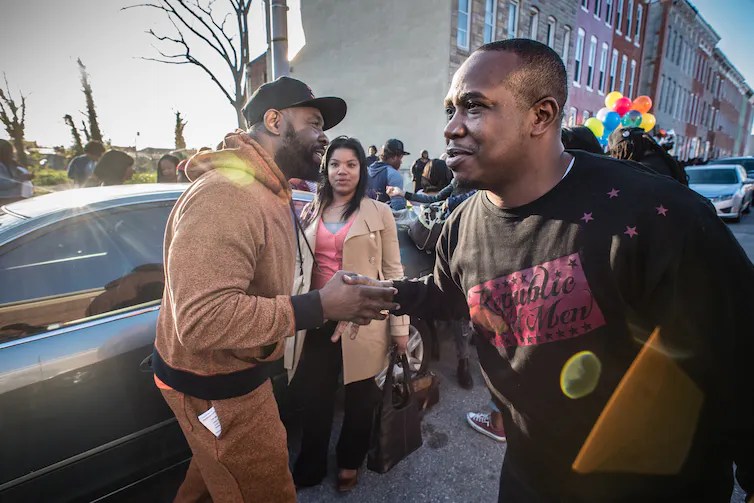
The “violence interruption” method connects people with personal ties to those most at risk of becoming involved in gun violence as victims or perpetrators.
Violence interrupters try to mediate disputes and calm things down on the streets, at parties and during funerals before any shooting starts. They have credibility with violence-prone people because of their past experiences.
The interrupters also help at-risk people to obtain services and to change gun violence norms in their communities.
Most of the city’s violence-prevention grants funding these efforts have been relatively small until now, ranging from US$5,000 to $325,000.
But U.S. cities, including Indianapolis, now have have until 2024 to tap into a comparatively large stream of federal funding for community-based violence intervention. That money was included in the $1.9 trillion stimulus package enacted in 2021.
As a local resident, I certainly welcome this news. But as researcher, I consider it to be too soon to tell whether this trend will continue or what the many public and private efforts to reduce gun violence underway will accomplish.
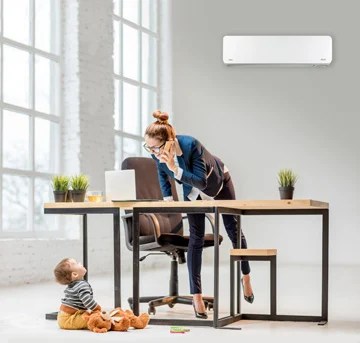
(NewsUSA) – The COVID-19 pandemic has forever changed the face of America’s workplace. In fact, an increasing number of folks might find their “new office” feels a lot like home — because it is literally their home.Our post-pandemic “return to the office” may look very different with hybrid or fully remote work models rapidly rising in popularity. Studies support this trend with 83% of workers believing a hybrid model would be optimal going forward, according to an Accenture survey. Further, 87% of managers believe working from home is the future, according to Remote-How research.While the new dynamic promises an improved work-life balance, it will also cause energy use and utility bills to skyrocket with technologies, appliances and systems running overtime at unprecedented levels — making optimal, energy-efficient home climate control a greater challenge.The good news is that families can prevent a utility-bill blitz by following a few simple tips. With home heating and cooling accounting for nearly half of home energy use, small steps can go a long way.* Ease Into Electric: According to Columbia University’s Earth Institute, electric systems are a solution to decarbonize home climate control. Among the most energy-efficient heating and cooling products, electricity-powered ductless mini-split systems, offered by companies including Fujitsu General America, can save as much as 25% on your energy bill. Mini-splits use thin copper tubing to pump refrigerant from an outdoor compressor directly into an indoor air-handling unit, where the air is quietly distributed to the interior space.* Get “Smart” About Climate Control: When it comes to smart home temperature control, there are Smart HVAC Systems and Smart Thermostats. Smart HVAC systems have built-in Internet capability and can be controlled directly without additional equipment. Smart Home Thermostats create “smart” systems by enabling remote temperature control via a mobile or Internet-connected device or voice-operated home automation system.* Voice Your Preference: Take control of your comfort. Most HVAC manufacturers offer apps that enable systems to be controlled from anywhere using a mobile device. Voice-control capability uses digital assistants, such as Amazon Alexa or Google Home, to verbally dictate home temperatures. Easily controlling the temperature more closely allows homeowners to be more comfortable and improve energy savings.* Find Your Efficient Comfort Zone: Many of us live in homes designed for bigger families, but have yet to downsize. If you find yourself using a fraction of your home on a regular basis, consider upgrading to a zoned ducted, or ductless system. That will allow you to save energy heating and cooling spaces where you and your family don’t spend a lot of time. This will multiply savings as you’re not only needing less cooling, but you also gain from a more efficient system in the spaces you do still use.* Try Low-tech Fixes: Simple changes can have a big impact. Take advantage of the sun’s energy to heat your home by opening your south-facing curtains at sunrise to make best use of “passive solar gain.” Force down warm air. Denser, cooler air stays closer to the ground, and warmer air rises. So, force it downwards with a low-speed fan. Insulate and fill the gaps. Warmed air leaking out around poorly sealed window frames, power sockets, recessed light fittings, and other gaps is a big source of heat loss in homes. And thick curtains help to insulate glass at windows.If your family is spending a lot more time at home and your utility bills are soaring, a ductless heating and cooling system is definitely a worthwhile investment. Many Fujitsu systems have an Energy Star rating that is more than twice as efficient as the minimum standard set by the government. To learn more or find a contractor near you, call 888-888-3424 or visit www.constantcomfort.com.

















 (
( – The COVID-19 pandemic has forever changed the face of America’s workplace. In fact, an increasing number of folks might find their “new office” feels a lot like home — because it is literally their home.Our post-pandemic “return to the office” may look very different with hybrid or fully remote work models rapidly rising in popularity. Studies support this trend with 83% of workers believing a hybrid model would be optimal going forward, according to an Accenture survey. Further, 87% of managers believe working from home is the future, according to Remote-How research.While the new dynamic promises an improved work-life balance, it will also cause energy use and utility bills to skyrocket with technologies, appliances and systems running overtime at unprecedented levels — making optimal, energy-efficient home climate control a greater challenge.The good news is that families can prevent a utility-bill blitz by following a few simple tips. With home heating and cooling accounting for nearly half of home energy use, small steps can go a long way.* Ease Into Electric:
  One Lifetime Blog
You must be logged in to post a comment.