
When tragedy becomes banal: Why news consumers experience crisis fatigue


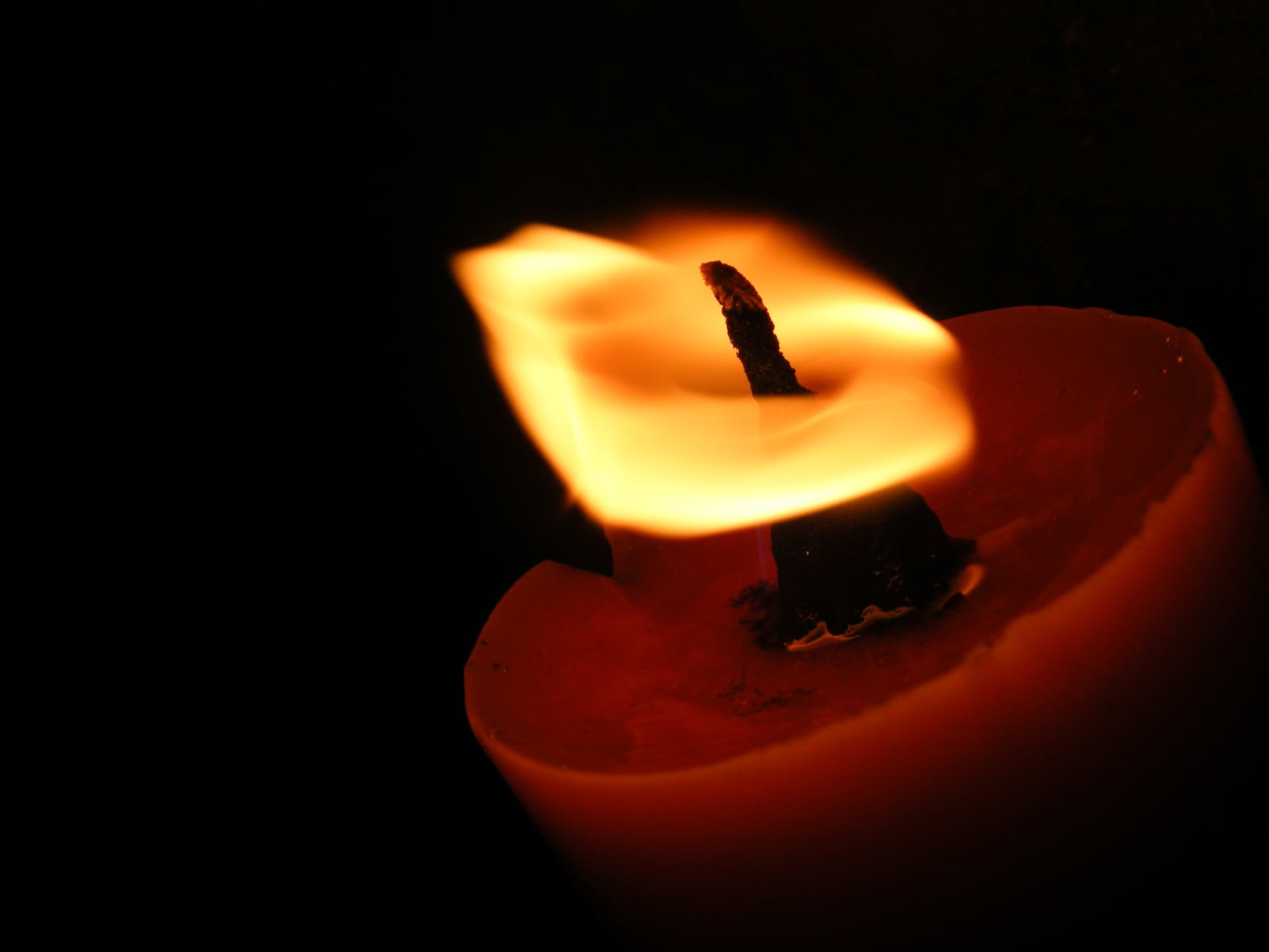
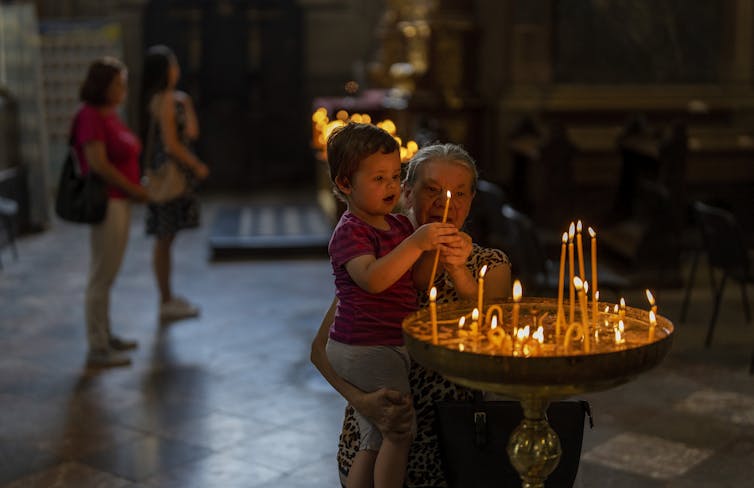
As the war continues in Ukraine, a grandmother helps her grandchild light candles in a church in Lviv. AP Photo/Emilio Morenatti

Rebecca Rozelle-Stone, University of North Dakota

When Vladimir Putin launched a full-scale invasion of Ukraine by land, air and sea on Feb. 24, 2022, the images of war were conveyed to dismayed onlookers around the world. Far from the action, many of us became aware of the unprovoked aggression by reading online coverage or watching TV to see explosions and people running from danger and crowding into underground bunkers.

Half a year later, the violence continues. But for those who have not been directly affected by the events, this ongoing war and its casualties have been shifting to the periphery of many peopleโ€™s attention.

This turning away makes sense.

Being attentive to realities like war is often painful, and people are not well-equipped to keep a sustained focus on ongoing or traumatic occurrences.

In addition, since the war in Ukraine began, many other events have arisen to occupy the worldโ€™s attention. These include droughts, wildfires, storms tied to global warming, mass shootings and the reversal of Roe v. Wade.

As the philosopher-psychologist William James asked, โ€œDoes not every sudden shock, appearance of a new object, or change in a sensation, create a real interruption?โ€

Ongoing tragic events, like the assault on Ukraine, can recede from peopleโ€™s attention because many may feel overwhelmed, helpless or drawn to other urgent issues. This phenomenon is called โ€œcrisis fatigue.โ€

A firetruck drives near a burning wildfire.
The McKinney Fire burned more than 60,000 acres in Northern California this summer, killing four people and destroying 90 residences. Drought conditions enabled the fire to spread quickly. AP Photo/Noah Berger, CC BY

Roots of crisis fatigue

Malevolent actors and authoritarians like Putin are aware of public fatigue and use it to their advantage. โ€œWar fatigue is kicking in,โ€ the Estonian prime minister, Kaja Kallas, said. โ€œRussia is playing on us getting tired. We must not fall into the trap.โ€

In a speech to marketing professionals in Cannes, France, the president of Ukraine, Volodymyr Zelenskyy, asked them to keep the world focused on his countryโ€™s plight. โ€œIโ€™ll be honest with you โ€“ the end of this war and its circumstances depend on the worldโ€™s attention โ€ฆ,โ€ he said. โ€œDonโ€™t let the world switch to something else!โ€

Unfortunately, many of us have already changed the channel. The tragic has become banal.

I became interested in the phenomenon of fatigue as a result of my scholarly research into moral attentiveness. This idea was articulated by the 20th-century French philosopher and social activist Simone Weil.
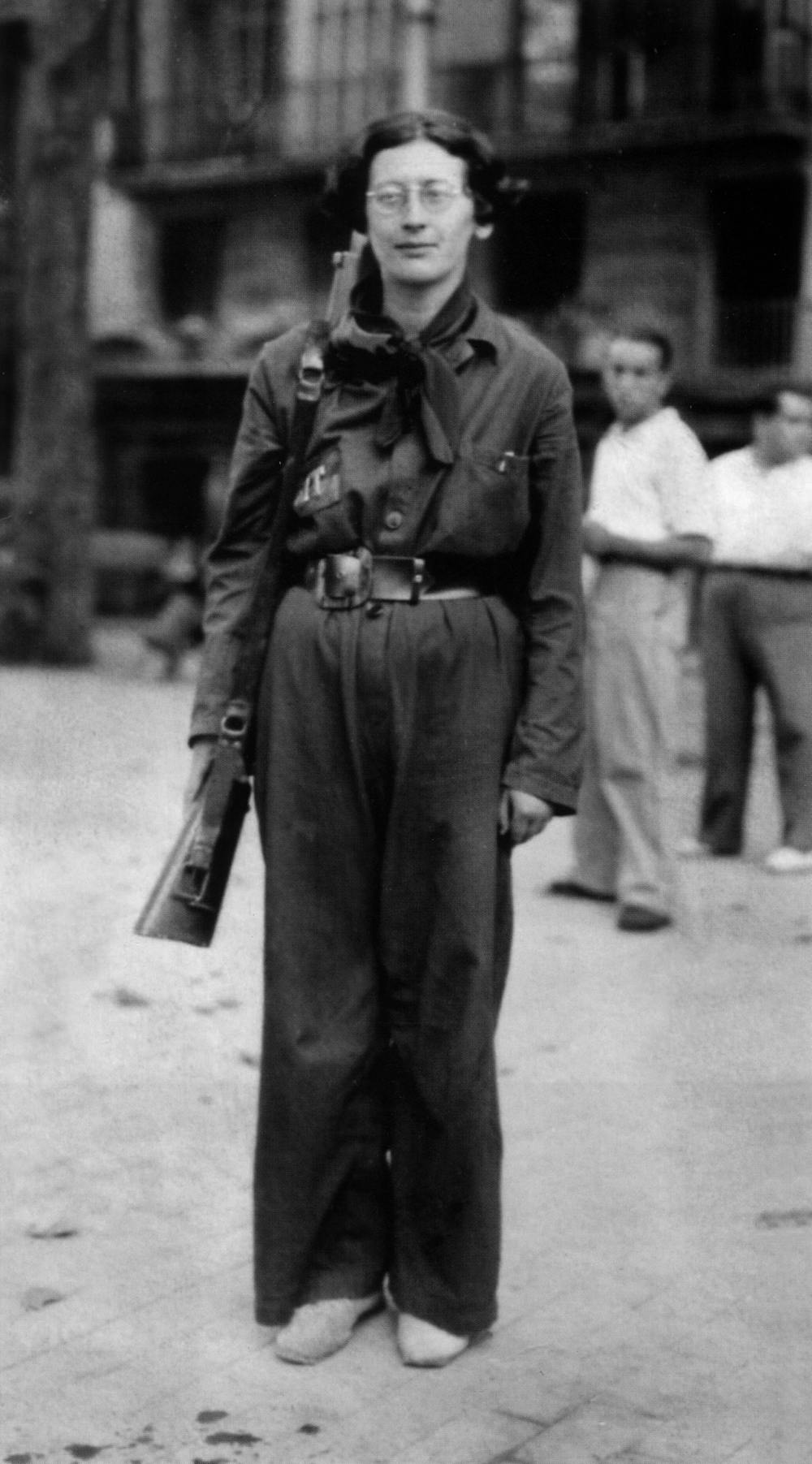
A 1936 photo of French philosopher Simone Weil dressed in military clothing holding a rifle.
Simone Weil, a French philosopher, joined the Durruti Column in 1936 during the Spanish Civil War. Her scholarly work of social justice focused on the oppressed and marginalized in society. Apic/Hulton Archives via Getty Images, CC BY

According to Weil, moral attention is the capacity to open ourselves up fully โ€“ intellectually, emotionally and even physically โ€“ to the realities that we encounter. She described such attention as vigilance, a suspension of our ego-driven frameworks and personal desires in favor of a Buddhist-like emptiness of mind. This mindset receives, raw and unfiltered, whatever is presented without avoidance or projection.

Not surprisingly, Weil found attention to be inseparable from compassion, or โ€œsuffering withโ€ the other. There is no avoiding pain and anguish when one attends to the afflicted; hence, she wrote that โ€œthought flies from affliction as promptly and irresistibly as an animal flies from death.โ€

The sensitivity involved in attending to crises can be a double-edged sword. On one hand, attention can put people in touch with the unvarnished lives of others so the afflicted are truly seen and heard. On the other, such openness can overwhelm many of us through vicarious trauma, as psychologists Lisa McCann and Laurie Pearlman have noted.
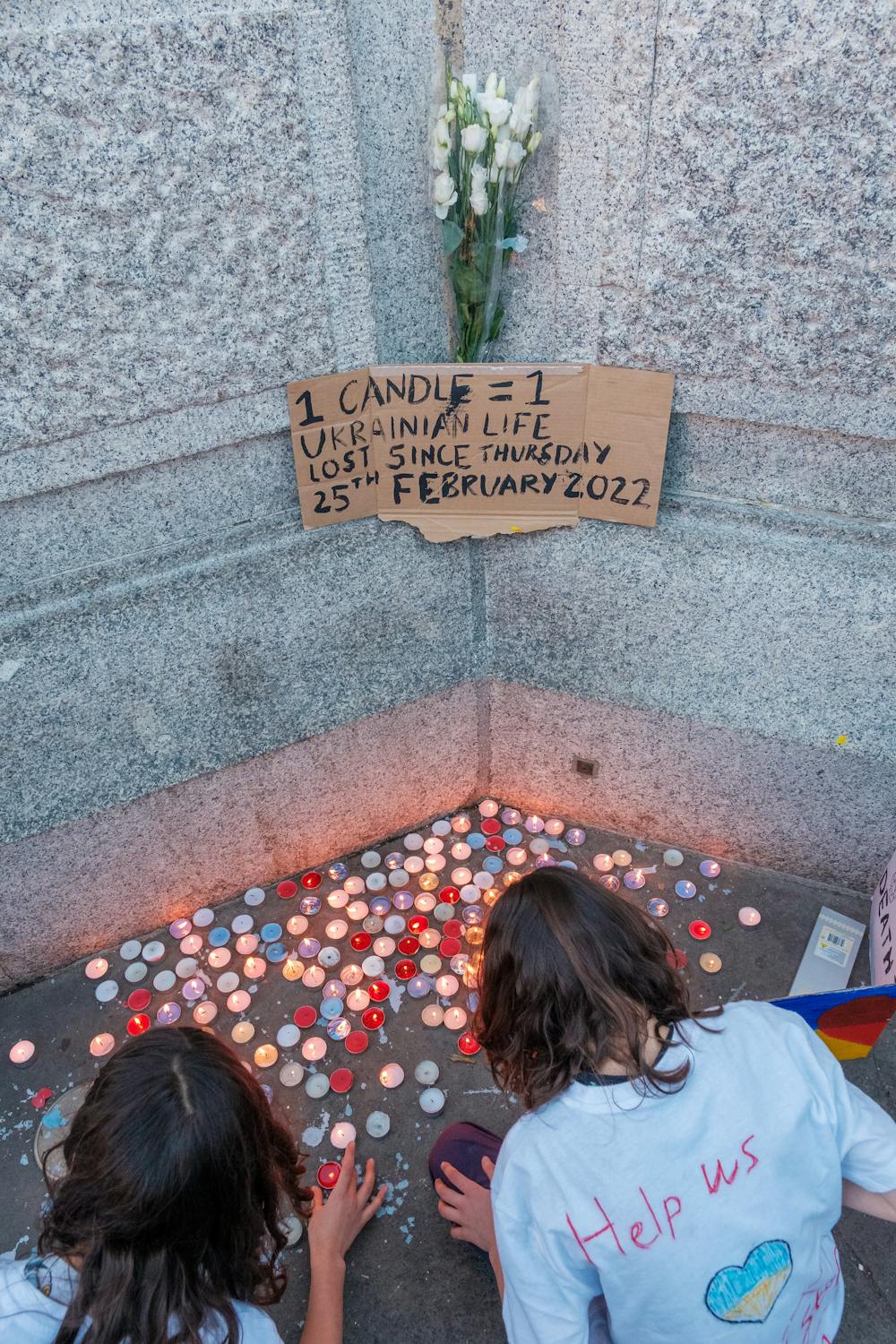
Two young people place candles on the ground.
Protests are a visual reminder of the devastating war in Ukraine. Ehimetalor Akhere Unuabona for Unsplash, CC BY

The difficulty of sustained focus on events like the war is due not only to the inherent fragility of moral attention, however. As cultural critics like Neil Postman, James Williams and Maggie Jackson have noted, the 24/7 news cycle is one of many pressures clamoring for our attention. Our smartphones and other technology with incessant communications โ€“ from trivial to apocalyptic โ€“ engineer environments to keep us perpetually distracted and disoriented.

Why audiences tune out

Aside from the threats to peopleโ€™s attention posed by our distracting technologies and information overload, there is also the fact of crisis fatigue leading readers to consume less news.

This year, a Reuters Institute analysis showed that interest in news has decreased sharply across all markets, from 63% in 2017 to 51% in 2022, while a full 15% of Americans have disconnected from news coverage altogether.

Men looking at multiple monitors.
The sheer volume of digital news and information has an unintended side effect: News consumers are tuning out. ThisisEngineering RAEng for Unsplash, CC BY

According to the Reuters report, the reasons for this differ, in part, with political affiliation. Conservative voters tend to avoid the news because they deem it untrustworthy or biased, while liberal voters avoid news because of feelings of powerlessness and fatigue. Online news, with its perpetual drive to keep eyes trained on screens, is unwittingly undermining its own goals: to provide news and keep the public informed.

Taking a new tack

How might we recover a capacity for meaningful attention and responses amid incessant, disjointed and overwhelming news? Scholars have made a variety of recommendations, usually focused on reining in digital device usage. Beyond this, readers and journalists might consider the following:

  1. Limiting the daily intake of news can help people become more attentive to particular issues of concern without feeling overwhelmed. Cultural theorist Yves Citton, in his book โ€œThe Ecology of Attention,โ€ urges readers to โ€œextractโ€ themselves โ€œfrom the hold of the alertness media regime.โ€ According to him, the current media creates a state of โ€œpermanent alertnessโ€ through โ€œcrisis discourses, images of catastrophes, political scandals, and violent news items.โ€ At the same time, reading long-form articles and essays can actually be a practice that helps with cultivating attentiveness.
  2. Journalists can include more solutions-based stories that capture the possibility of change. Avenues for action can be offered to readers to counteract paralysis in the face of tragedy. Amanda Ripley, a former Time magazine journalist, notes that โ€œstories that offer hope, agency, and dignity feel like breaking news right now, because we are so overwhelmed with the opposite.โ€

Weil, who was committed to the responsibility of moral attentiveness but did not romanticize tragedy, wrote, โ€œNothing is so beautiful and wonderful, nothing is so continually fresh and surprising, so full of sweet and perpetual ecstasy, as the good.โ€

Rebecca Rozelle-Stone, Professor of Philosophy, University of North Dakota

This article is republished from The Conversation under a Creative Commons license. Read the original article.

Random Thoughts 11-01-2022


Words can heal or they can hurt, how we use what we say can make a big difference in both our lives and the lives of others. How we act around others and how we treat them has a big impact on their lives and in the end, will come back around to impact our lives as well. Those living in the U.S. and similar countries where freedom of speech is celebrated are more likely to face hate and angry speech than in other countries. People take advantage of that right to free speech without realizing they also have to be responsible for the words they speak and the consequences of those words.

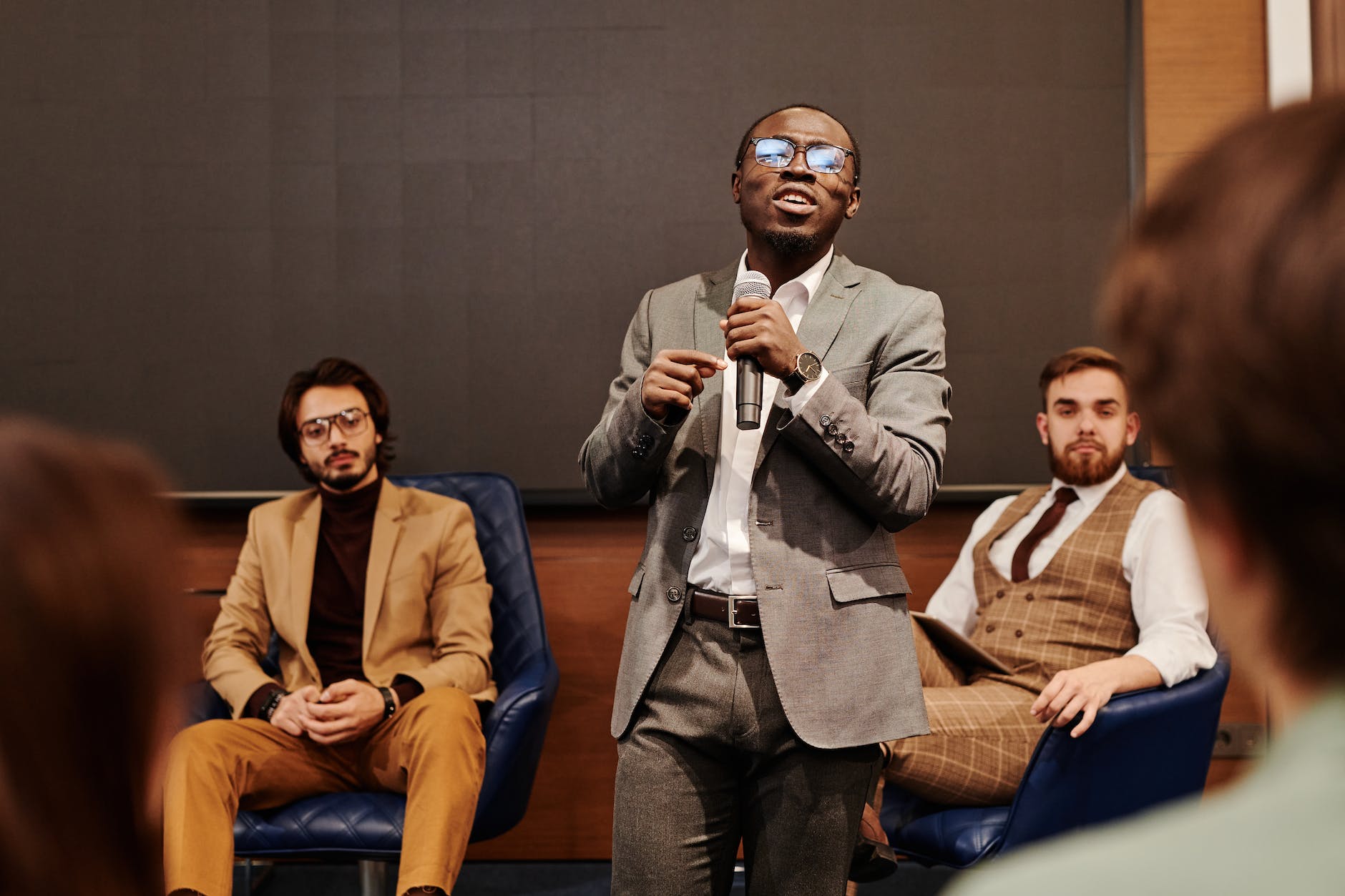
Photo by Henri Mathieu-Saint-Laurent on Pexels.com

Politicians are one of the greatest abusers of the freedom of speech right in modern times. They will spout out whatever Rhetoric will motivate their political base to get the votes to either gain power or maintain it. Both republican and democrat parties have used such practices to sway public opinion and gain power in congress. But yet if the politicians only told the truth and debated about things respectfully, most people would probably not even pay the politicians much mind. Seems people are more likely to pay attention to politics as long as there is some sort of drama going on.

The sad part is that political rhetoric has gone to the extreme and acts of violence motivated by such rhetoric are becoming more commonplace. what is even worse is some political figures make light of the violence and joke about it. How can we as a nation face the world if we vote for people who have no care for the wellbeing of others into office? How can we overlook every fault and defect in a candidate just so we can get either a party in power or get one agenda through congress? Sad time for American politics and the American people.

We need to be responsible-minded when it comes to what we say and do, especially if we are in a position of influence. What our words and actions bring about down the line we are partial if not wholly responsible for. It is your life, your voice, and your choice of how to use the time you have on earth. You can choose to spend it doing for others and being kind or be one that is about only yourself. Either way, you are responsible for your actions and words.

Photo by Mathias Reding on Pexels.com

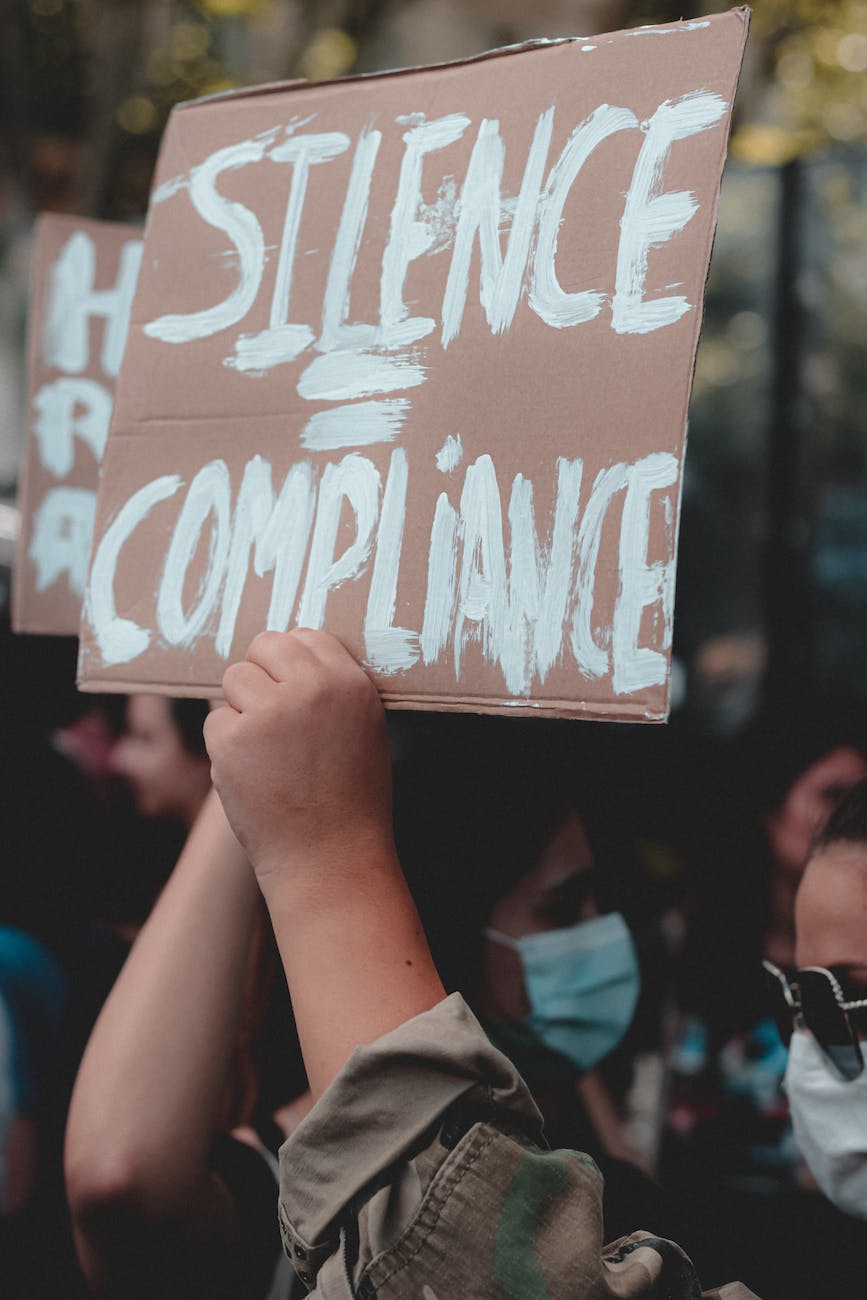
There of course are those in congress that don’t go along with the rhetoric nor support it, to those I say stand up and get your voices heard. For sitting in silence is the equivalent of supporting the words and actions of those you disagree with. We need more Bi-Partisanship and less rhetoric in congress, regardless of what party you belong to, you are supposed to be there for all of the people that you represent, not the party you are affiliated with.

In the end, we need to remember there are real people out there that may be affected by our words and actions. Those people deserve the same respect as we ourselves desire and deserve as well. We must remember the golden rule of treating others as we would like to be treated ourselves. The question we must ask ourselves is whether would we like to be treated the way we are treating people in our lives or not.

Photo by Mathias Reding on Pexels.com

Politicians not only represent us in government but they also represent us all to the world, how they act and what they say not only affect people here in our country, it also affects how other countries view our country and the people who live in it. One of the many reasons why we, the people they represent should care about what they say and do.

Blessings to all and may you find Happiness.

How was Halloween invented? Once a Celtic pagan tradition, the holiday has evolved to let kids and adults try on new identities


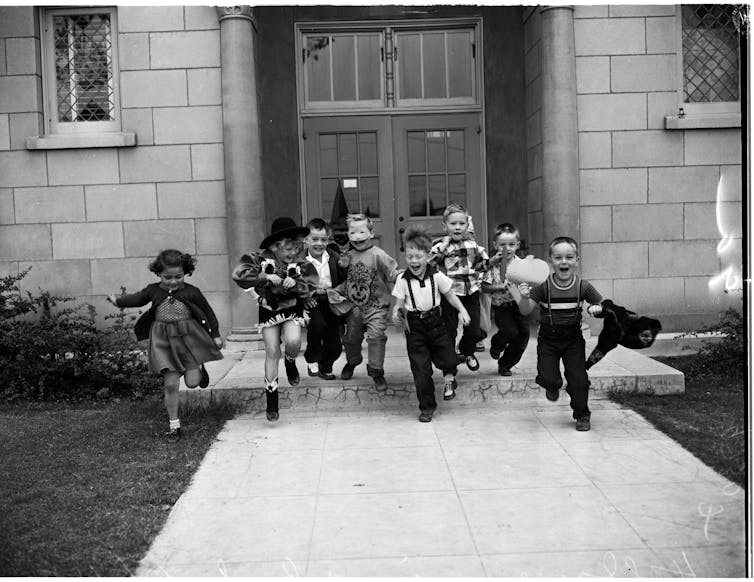
Kindergarten students in 1952 race out of school in Los Angeles, eager to celebrate Halloween. Los Angeles Examiner/USC Libraries/Corbis via Getty Images

Linus Owens, Middlebury

Curious Kids is a series for children of all ages. If you have a question youโ€™d like an expert to answer, send it to curiouskidsus@theconversation.com.


How was Halloween invented? โ€“ Tillman, age 9, Asheville, North Carolina


โ€œItโ€™s alive!โ€ Dr. Frankenstein cried as his creation stirred to life. But the creature had a life of its own, eventually escaping its creatorโ€™s control.

Much like Frankensteinโ€™s monster, traditions are also alive, which means they can change over time or get reinvented. Built from a hodgepodge of diverse parts, Halloween is one such tradition that has been continually reinvented since its ancient origins as a Celtic pagan ceremony. Yet beneath the superhero costumes and bags of candy still beats the heart of the original.

The Celts lived in whatโ€™s now Ireland as far back as 500 B.C. They celebrated New Yearโ€™s Day on Nov. 1, which they called Samhain. They believed that leading up to the transition to the new year, the door between the worlds of the living and the dead swung open. The souls of the recently dead, previously trapped on Earth, could now pass to the underworld. Since they thought spirits came out after dark, this supernatural activity reached its peak the night before, on Oct. 31.

The Celts invented rituals to protect themselves during this turbulent time. They put on costumes and disguises to fool the spirits. They lit bonfires and stuck candles inside carved turnips โ€“ the first jack-oโ€™-lanterns โ€“ to scare away any spirits looking for mischief. If all else failed, they carried a pocketful of treats to pay off wayward spirits and send them back on their way to the underworld.

Sound familiar?

Although focused on the dead, Samhain was ultimately for the living, who needed plenty of help of their own when transitioning to the new year. Winter was cold and dark. Food was scarce. Everyone came together for one last bash to break bread, share stories and stand tall against the dead, strengthening community ties at the time they were needed most.

a collection of lit jack-o-lanterns
Ghouls, goblins and glowing jack-oโ€™-lanterns have been synonymous with Halloween for a long time. Erik Freeland/Corbis Historical via Getty Images

When Catholics arrived in Ireland around A.D. 300, they opened another door between worlds, unleashing considerable conflict. They sought to convert the Celts by changing their pagan rituals into Christian holidays. They rechristened Nov. 1 โ€œAll Saints Day,โ€ which today remains a celebration of Catholic saints.

But the locals held on to their old beliefs. They believed the dead still wandered the Earth. So the living still dressed in costumes. This activity still took place the night before. It just had a new name to fit the Catholic calendar, โ€œAll Hallows Eve,โ€ which is where we got the name Halloween.

Irish immigrants brought Halloween to America in the 1800s while escaping the Great Potato Famine. At first, Irish Halloween celebrations were an oddity, viewed suspiciously by other Americans. As such, Halloween wasnโ€™t celebrated much in America at the time.

As the Irish integrated into American society, Halloween was reinvented again, this time as an all-American celebration. It became a holiday primarily for kids. Its religious overtones faded, with supernatural saints and sinners being replaced by generic ghosts and goblins. Carved turnips gave way to the pumpkins now emblematic of the holiday. Though trick-or-treating resembles ancient traditions like guising, where costumed children went door to door for gifts, itโ€™s actually an American invention, created to entice kids away from rowdy holiday pranks toward more wholesome activities.

Halloween has become a tradition many new immigrants adopt along their journey toward American-ness and is increasingly being exported around the world, with locals reinventing it in new ways to adapt it to their own culture.

postcard of a witch and black cat riding a broomstick
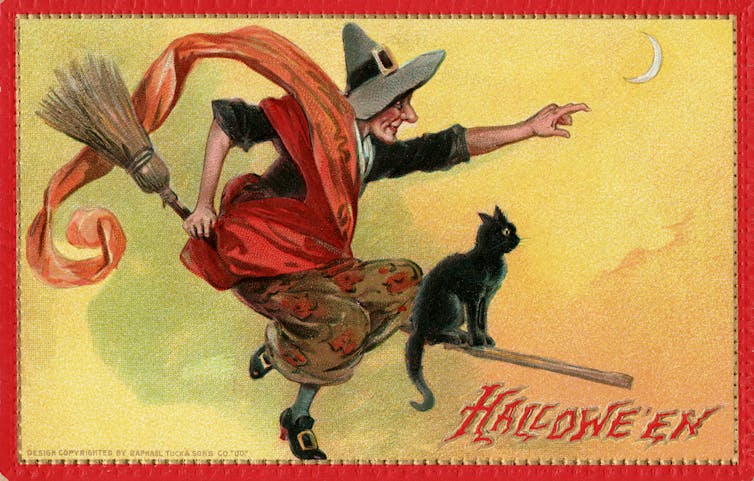
A Halloween postcard circa 1910. Trolley Dodger/Corbis Historical via Getty Images

Whatโ€™s so special about Halloween is that it turns the world upside down. The dead walk the Earth. Rules are meant to be broken. And kids exercise a lot of power. They decide what costume to wear. They make demands on others by asking for candy. โ€œTrick or treatโ€ is their battle cry. They do things theyโ€™d never get away with any other time, but on Halloween, they get to act like adults, trying it on to see how it fits.

Because Halloween allows kids more independence, itโ€™s possible to mark significant life stages through holiday firsts. First Halloween. First Halloween without a parent. First Halloween thatโ€™s no longer cool. First Halloween as a parent.

Growing up used to mean growing out of Halloween. But today, young adults seem even more committed to Halloween than kids.

What changed: adults or Halloween? Both.

Caught between childhood and adulthood, todayโ€™s young adults find Halloween a perfect match to their struggles to find themselves and make their way in the world. Their participation has reinvented Halloween again, now bigger, more elaborate and more expensive. Yet in becoming an adult celebration, it comes full circle to return to its roots as a holiday celebrated mainly by adults.

Halloween is a living tradition. You wear a costume every year, but youโ€™d never wear the same one. Youโ€™ve changed since last year, and your costume reflects that. Halloween is no different. Each year, itโ€™s the same celebration, but itโ€™s also something totally new. In what ways are you already reinventing the Halloween of the future today?


Hello, curious kids! Do you have a question youโ€™d like an expert to answer? Ask an adult to send your question to CuriousKidsUS@theconversation.com. Please tell us your name, age and the city where you live.

And since curiosity has no age limit โ€“ adults, let us know what youโ€™re wondering, too. We wonโ€™t be able to answer every question, but we will do our best.

Linus Owens, Associate Professor of Sociology, Middlebury

This article is republished from The Conversation under a Creative Commons license. Read the original article.
Random Thoughts 10-26-2022


Always amazed me how people can find reasons to hate or dislike others much easier than they can find reasons to love one another. Fear plays a big part in that I believe, and fear usually stems from not knowing or a bad experience. Hate either is fueled by fear or taught to us by family or peers.

How can the color of a person’s skin make that person superior or inferior I ask? A human is human no matter what color their skin is and there is no superior or inferior. Why can’t we just respect each other’s decisions on how we want to live our lives, we don’t always have to agree on things or condone the actions of others just accept it is their choice. Unconditional love for one another as one big family called the human race is what we need. Compassion for other people, acceptance of who they are, and unconditional love for all life.

I guess there will always be those that choose to hate and fear, and there will always be those who want to believe they are above or better than other people. One day I hope they become a very small minority and lose their ability to disrupt society and cause harm. All we can do as a society is try to teach our young not to follow such negative narratives and teach them the importance of helping those in need.

Random Thoughts Oct. 23rd, 2022


Life in itself can be quite challenging at times, trying to navigate the pitfalls in relationships and maintaining a certain level of self-respect along with good self-esteem is a hard thing to achieve. Not only do you have to endure the negative comments of peers and family, you also have to keep your own negative thoughts down as you try and keep positive. Some people are fortunate and have a great family and group of friends to help them through it all, but most have a mixed bag of supportive and semi-toxic peers and family.

In my case, I had a supportive mother but my father was not around as much as I needed and when he was he just couldn’t relate to me. My brother was one of those womanizing alpha male types who tried to dominate me and mold me into a younger version of himself. I think both my dad and brother had good intentions in their actions, just they didn’t know how to relate to or deal with me since I was more of a passive easygoing person who had some self-esteem issues.

Photo by SHVETS production on Pexels.com

Low self-esteem and poor self-image plagued me throughout my life. I went through the blaming my dad and brother stage until I realized that I am the one holding on to those feelings and that it was a collection of experiences I went through in life in general that contributed to the problem more than just those two people in my life. In a nutshell, my peers and family may have contributed to my poor self-image and low self-esteem but it is I who held on to it and believed the negative thoughts in my mind.

Relying on others to define your worth through their opinions is one of the key contributors to low self-esteem. Even if you don’t do that consciously, you absorb both the positive and negative opinions of your peers and family. You need to shake off the negative and start re-enforcing the positive by focusing on your positive traits. The sooner you realize you are unique and that you are just as important as everyone else in the world the sooner you will start to heal.

Photo by Moe Magners on Pexels.com

Be yourself, love who you are, and know that you are not lesser than any other person. You may have had different circumstances and have lived in a different environment than others, but you have the same opportunity to change yourself and succeed in life as long as you are willing to work for it. Sometimes you may have to work harder due to circumstances, but if you hang in there and give it your all you can rise above those circumstances. Just remember to be open to others helping you along the way and be there to help others along the way as well.

Comparing yourself to others is not a good way to evaluate your self-worth. Each person is unique and therefore we all will not succeed in the same way or at the same things. Instead of comparing yourself to others, find a person who inspires you, one that you would like to be like,, and strive to be similar to them. You will never be exactly like that person but you will be similar and the differences between you and that person makes you unique.

Photo by Monstera on Pexels.com

Try to avoid defeatism, stop saying you can’t do something until after you have given it your best shot. Too many people will fail at doing something without ever trying because they get stuck in the I can’t do that loop. Change I can’t into let’s see if I can or yes I can do this. You will never know if you can do something until you at least attempt to do it once. It’s far better to fail after giving it your best shot than to not try at all due to your fear of failure.

Being we all are unique and are individuals, how we have to deal with self-esteem and self-worth may vary. In the end, it is all about how you respond to the opinions of others.

Random thoughts on truth, Lies, and modern times.


A lie can appear as a Truth if it is repeatedly told and people either accept it or do nothing to bring it to light. Though a lie can never be the truth, it can be an accepted fact in society even if it is nothing more than an illusion. The reason why we should not be apathetic and allow lies to be left to become illusionary facts. It tends to happen often due to humanity’s tendency to be tribal, that herding / tribalistic nature most of the time hinders one’s ability to think for themselves and gets one caught up in the beliefs of the tribe.

It has been seen throughout humanity’s past in everything from superstition, to religious dogma, and within the political arena. If it wasn’t for free thinkers, rebels against the held beliefs of their times we may have never gotten beyond thinking the earth was flat, the earth is the center of the universe, and so on. Those people did not fall prey to their tribal mentality as much or they found a way to sidestep it completely. They broke through both the lies and misconceptions of the times they lived in.

In modern times it is far easier to deceive multitudes of people due to the invention of television, the radio, and the internet. Recently there has been a great attack on the trust we had in the news agencies we once saw as the guardians of our democracy. They once stood as the pillars of truth and the watchdogs for the civilians and now the major news agencies tend to be more of political propaganda machines. Mixing some news with tons of opinion and conjecture for the sole purpose of swaying viewers to embrace or follow the political agenda of the news organization be it conservative or liberal base.

It is best not to be like sheep and follow any news organiztions political propaganda, it is far better to be a individual that thinks for themselves, questions everything you hear and see. Trust but verify as the old saying goes, never take something at face value. Far as the political issue, their is a need for both liberal and conservitive since too much of one or the other leads to extremes and that tends to cause turmoil in the end. Balance and moderation has worked far better for our democracy all these years than any given time we went to one extreme or another.

The lies will continue as long as humanity exists, but the only way to take down a lie is to seek out and find the truth. Be vigelant and keep your eyes open so you can see beyond what they try to put before you as a distraction. Remeber to question all that you see and hear in these modern times, do your best to follow truth over falling for lies in this life time.

Meditation holds the potential to help treat children suffering from traumas, difficult diagnoses or other stressors โ€“ a behavioral neuroscientist explains


Meditation and mindfulness techiques are becoming increasingly common in school settings. Alexander Egizarov/EyeEm

Hilary A. Marusak, Wayne State University

The Research Brief is a short take about interesting academic work.

The big idea

Children actively meditating experience lower activity in parts of the brain involved in rumination, mind-wandering and depression, our team found in the first brain-imaging study of young people under 18 years old. Over-activity in this collection of brain regions, known as the default mode network, is thought to be involved in the generation of negative self-directed thoughts โ€“ such as โ€œI am such a failureโ€ โ€“ that are prominent in mental disorders like depression.

In our study, we compared a simple form of distraction โ€“ counting backward from 10 โ€“ with two relatively simple forms of meditation: focused attention to the breath and mindful acceptance. Children in an MRI scanner had to use these techniques while watching distress-inducing video clips, such as a child receiving an injection.

We found that meditation techniques were more effective than distraction at quelling activity in that brain network. This reinforces research from our lab and others showing that meditation techniques and martial arts-based meditation programs are effective for reducing pain and stress in children with cancer or other chronic illnesses โ€“ and in their siblings โ€“ as well as in schoolchildren during the COVID-19 pandemic.

This study, led by medical student Aneesh Hehr, is important because meditation techniques such as focused attention on the breath or mindful acceptance are popular in school settings and are increasingly used to help children cope with stressful experiences. These might include exposures to trauma, medical treatments or even COVID-19-related stress. https://www.youtube.com/embed/SpjWb9teKSY?wmode=transparent&start=0 Hereโ€™s what happened at one elementary school that made meditation part of its curriculum.

Why it matters

Researchers know a lot about what is happening in the brain and body in adults while they meditate, but comparable data for children has been lacking. Understanding what is happening in childrenโ€™s brains when they meditate is important because the developing brain is wired differently from the adult brain.

These findings are also important because caregivers and health care providers often use distraction methods like iPads or toys to help children cope with pain and distress, such as medical procedures. However, those techniques may largely rely on the prefrontal cortex, which is underdeveloped in youth.

This means that stress and emotion regulation techniques that rely on the prefrontal cortex may work well for adults but are likely to be less accessible to children. Meditation techniques may not be dependent upon the prefrontal cortex and may therefore be more accessible and effective for helping children manage and cope with stress.

Whatโ€™s next

We still have a great deal to learn about how meditation affects brain development in children. This includes what types of meditation techniques are most effective, the ideal frequency and duration, and how it affects children differently.

Our study focused on a relatively small sample of 12 children with active cancer, as well as survivors who may have experienced significant distress over the diagnosis, treatment and uncertainty about the future. Future studies with larger sample sizes โ€“ including children with a wider diversity of diagnoses and exposures to early adversity or trauma โ€“ will help researchers like us to better understand how meditation affects the brain and body in children.

Our findings underscore the need to understand precisely how meditation techniques work. Exciting recent studies have begun to examine how participating in mindfulness and meditation-based programs can shape brain functioning in children.

Understanding how these techniques work is also essential for optimizing how they could be applied in health care settings, such as coping with needle-related procedures or for helping children manage the negative effects of stress and trauma.

Hilary A. Marusak, Assistant Professor of Psychiatry and Behavioral Neurosciences, Wayne State University

This article is republished from The Conversation under a Creative Commons license. Read the original article.

Random thoughts 9/11/202


Photo by Alex Green on Pexels.com

The world seems to be going through a time of turmoil and division, these are the times in which poets, authors, musicians, and artists are needed. We need voices of reason out there, images, words, songs, and creativeness to inspire peace and unity.

The world is in need of something that inspires unity, peace, and compassion. And that inspiration can come from all of us in the community that blog, vlog, podcast, and/or make music and art. Right now there are too many people out there pushing distrust, anarchy,, and negativity. We need more positive and constructive influence out there.

Photo by Andrea Piacquadio on Pexels.com

I hope that my fellow bloggers and content creators pick up the torch of positivity and put out content that helps heal our society and stamp out the negativity that seems to have a grip on this world we now live in. We all must learn to put our differences aside or at least learn to accept our differences in order to bring this world towards a world of peace and compassion.

Photo by Iarlaith McNamara on Pexels.com

A dreamer I may be, but I rather believe we all can come together and make a positive impact than surrender to the thought we all are doomed and there is no hope for humankind.

Blessings to all

Ray Barbier

Random Thoughts 4/20/2022


Photo by Andrew Neel on Pexels.com

People wonder why there is so much low self-esteem in the world, if you take a good look at television shows, commercials, social media, movies, and even the news on cable news stations you just may see some of the reasons for low self-esteem, but then there is also how one’s family treats them, their peers and the educational system.

When you are constantly bombarded with images of thin, fit, and muscular actors, advertisements aimed to push miracle vitamins and supplements to fix all your shortcomings, it is very hard to hold on to a good self-image and even harder to build it up. Constantly being told that having a perfect body weight, toned muscles, the right clothes, and accessories makes one beautiful and successful is making it hard for most people to maintain healthy self-esteem.

Photo by Karol D on Pexels.com

Unfortunately, fashion, the newest electronics, and possessions play a big part in teenage self-image, which makes it hard for those who don’t have the money to compete with their peers. Combining that with parents that have to work 2 jobs or inconvenient hours to maintain the quality of life they have only makes it harder on teenagers and kids.

The ones that seem to suffer the worst during school years are those that don’t quite fit the norm, the overweight, the below-average to average looking, and the sensitive passive individuals. Bullying from those who think they are cool, tougher, and better than others does not help the situation at all. The consequences of bullying are usually mild and it seems it’s hard to catch kids bullying or maybe some just overlook it.

Photo by Pixabay on Pexels.com

Parents and siblings also play a large part in the development of a child’s self-esteem, they can be either a positive or negative force when it comes to a child’s self-image. Siblings usually are competing for the parent’s attention, love and favor so they tend to be very mean to one another. Parents on the other hand usually are trying to do what’s best for the child but don’t realize what works for one child does not always work for the other. Each child is a unique individual, they have different needs and need help in different ways. Some parents, unfortunately, don’t know how to deal with their children at all so they try to treat them as if they are adults way before the child or teen is emotionally and mentally ready to do so. This usually results in conflict and the child/teen becomes rebellious and has a poor self-image.

If the low self-esteem is not addressed and corrected during the child/teen years then it is carried into the adult years. That makes it very hard for the Adult to achieve a healthy relationship with a significant other and even harder for them to become successful in the work world.

Raising kids is not an easy task, being a parent means you have to be a caregiver, advisor, instructor, friend, leader, cook, counselor, and of course an ATM for the children lol. Helping a child navigate the battlefields of youth and preparing them for the many challenges they will have to face in the future is not an easy thing to accomplish. All you can do is give it your best shot and always be there for them when they need you.

Photo by Matheus Ferrero on Pexels.com

I myself have had self-esteem issues throughout my life, I have been battling low self-esteem for many decades. I could go down a list of all the things that caused my low self-esteem but what is the use of that now that it now falls squarely on me to repair the damage and improve myself. Plus the first step in moving on and building up your self-esteem/self-image is to forgive those who helped in destroying it and letting go of your own contributions to the whole mess as well.

Just know this, there is no one better than you, but then there is no one lesser than you. We all are unique, we all have our own gifts to embrace and shortcomings that we need to deal with. There is no one on this planet that does not have some emotional or psychological baggage to deal with. How much money you have, and how many toys you have has nothing to do with who you are or how good you are. What defines you is how you live life, and how you treat others and yourself.

Being successful sure feels good, being financially well off does make life easier in many ways, but money, possessions, and success are fleeting, they can be gone in an instant. Family and friends to me are far more important along with how I treat others, and how I live my life. Those things will be with me throughout my life.

Well, I wish you happiness, remember it does not matter what others think or say about you, it is what you know about yourself that matters the most.

Random Thoughts 4-17-2022


Photo by Yan Krukov on Pexels.com

During the last few years, it has really come to my attention that humanity tends to cling to hatred, fear, and selfishness far more than it should. The Ideal is that being compassionate, caring, showing love, and being nice in general are signs of weakness that are slowly destroying our societies. Too many hold on to the belief, that in order to be strong you must be callus, cold, and show no mercy.

I ask you this question, which takes more courage, which takes more effort and strength to achieve and maintain? Being a person who lets his fears, anger, and lack of trust guide his decision, being callous and uncaring so that you can achieve a goal, or the person who conquers his fear and puts aside all his anger and distrust in order to achieve his goal?

To me it seems far easier to give in to anger and fear, takes less courage and effort to follow the path of war and destruction. Takes a very strong individual to put themselves out there and do the right thing, to do the things that benefit others more than themselves. Regardless of which way you do things, you will have critics and naysayers, but I would rather be disliked for doing good and being kind than for being a warmonger or a bringer of hate and distrust.

Photo by Michelle Leman on Pexels.com

There is some hope for Humanity through all this pandemic and war business going on nowadays, look at those who have opened their hearts and homes to refugees, the people going out of their way to help protect others from the pandemic, and aid in keeping those infected alive. We have seen the worse of humanity and the best of humanity through the last few years and I really hope in the end, the best of humanity will outweigh the worse and become the light to guide the way for future generations to follow.

Try to remember, that we all are brothers and sisters on this earth regardless of our skin color, or religious or political beliefs. We all desire a peaceful and happy world for our children and the future children to come. Be compassionate, caring, and live in harmony, if not for yourself, then for your children and the future.

That said, May peace come soon to the Ukraine conflict, may the pandemic pass for us all, and Happy Easter, Passover, and Ramadan to you all. Happiness and peace to all of my Brothers and Sisters across the world.