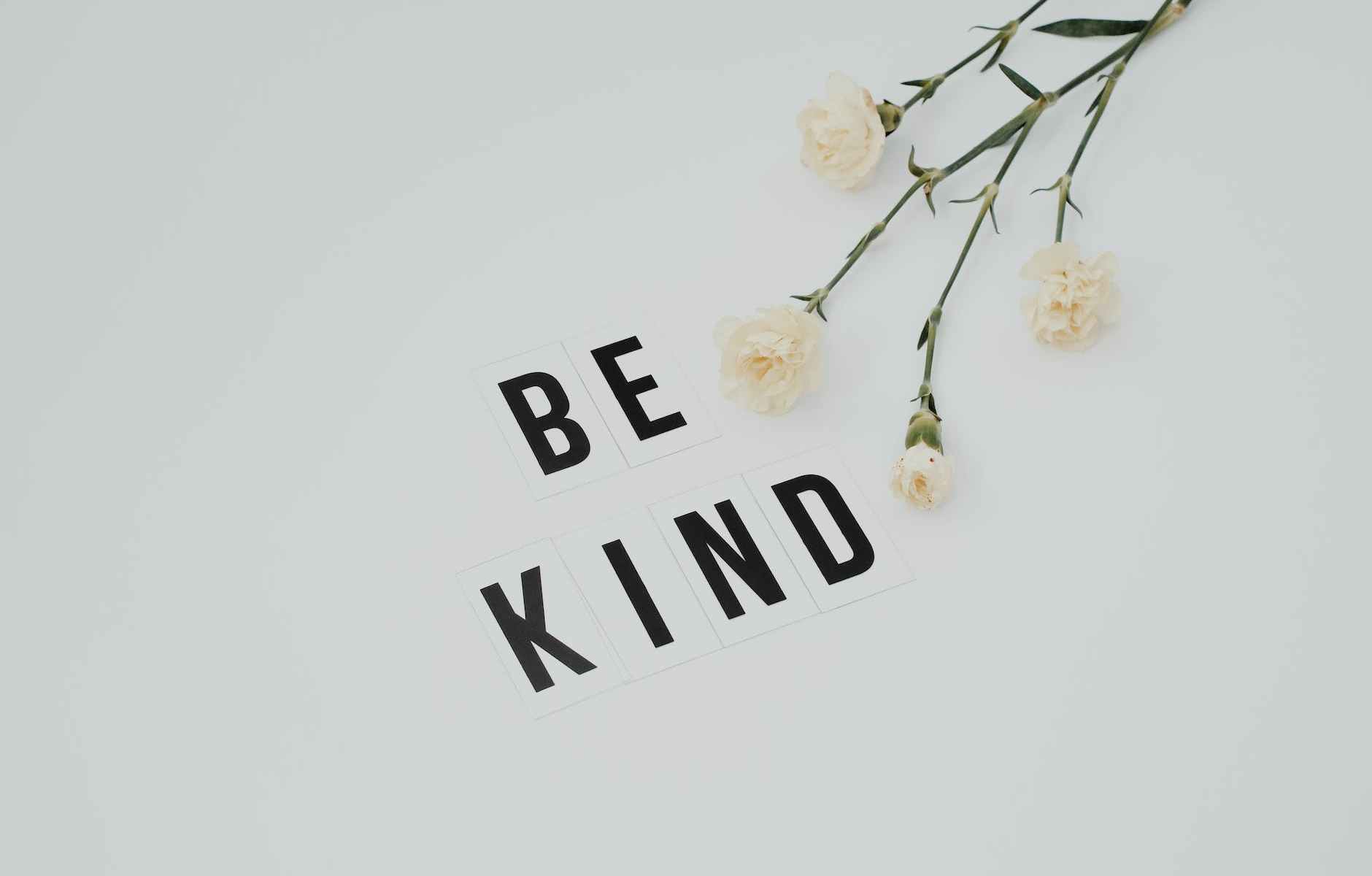
Rediscovering Empathy


The Journey Back to Understanding

Empathy feels rare these days, as strong opinions often drown out genuine connection. When every conversation seems driven by an agenda, itโ€™s easy to forget what unites us. Instead of assuming the worst about someoneโ€™s beliefs, pausing to listen can rebuild bridges.


Embracing Respectful Dialogue

  • Listen first, speak second.
  • Seek to understand before you judge.
  • Acknowledge that your perspective may be incomplete.
  • Remember that facts and feelings both matter.

Honoring Relationships Above Differences

Friends and family are the same people theyโ€™ve always been, regardless of any disagreement. Their care for you hasnโ€™t changed, and you can show them the same loyalty. Stepping away from heated debates opens space for laughter, memories, and real conversations.


Let Unity Guide Our Actions

Leaning on kindness and curiosity brings us closer than any talking point can. Share your views calmly, cast your vote confidently, and spend your days nurturing the bonds that last. In the end, living with love and respect shapes a stronger community for everyone.

The Mosaic of Life: Embracing Family and Friends


In the rich and intricate tapestry of human existence, family and friends stand as pivotal threads that weave together the essence of who we are. They are not merely companions on our journey but profound influences that shape our identities and our experiences. Family and friends provide the balance we need, acting as both our anchors in turbulent times and our cheerleaders when the sun shines brightly on our paths. Their presence is essential, grounding us when we feel overwhelmed and elevating our spirits in moments of joy.

We may not always appreciate their words or actions, for the human condition is fraught with imperfections and misunderstandings. Yet, despite the occasional discord, we hold a deep, abiding love for them, recognizing that their presence is integral to our lives. Even those who cause us pain or whom we find hard to trust play a role in our personal growth and understanding. It is a poignant reality that sometimes, even negative influences can lead to positive outcomes, teaching us resilience and the capacity for forgiveness.

The bonds of family are unique in that they are given, not chosen. Each family member, regardless of their faults, is a piece of our collective soul. To lose any part of this familial mosaic is to lose a part of ourselves. Friends, on the other hand, are chosen companions, yet in their own way, they too seem destined to be part of our lives. These friendships, like familial ties, enrich our existence and provide a sense of belonging and support.

It is undoubtedly better to be surrounded by family and friends than to endure the isolation of solitude. The warmth and connection they provide are essential to our happiness and well-being. Even when physical or emotional distances grow, the bonds of true friendship and familial love endure. They remain a constant, an unbreakable thread in the fabric of our lives.

In reflecting upon these relationships, one cannot help but recognize the profound impact they have on our sense of self and our capacity for joy. It is in the company of loved ones that we find our greatest strength and our deepest contentment. The inevitable trials and tribulations of life are softened by their support, and our triumphs are all the sweeter when shared.

From Stress to Serenity: How Happiness Influences Health


The pursuit of a long and healthy life is often linked to the state of oneโ€™s happiness, a notion supported by recent research that suggests maintaining a joyful disposition contributes significantly to overall health. This insight, while seemingly new, aligns with the well-established understanding that emotional well-being is integral to physical health. Historically, much attention has been given to the negative impacts of depression and stress, including their association with chronic illnesses. The latest approach, however, reframes this perspective in a more positive light, emphasizing the benefits of happiness.

I firmly support this optimistic angle. Achieving happiness appears to be a more attainable goal compared to the daunting task of avoiding stress and depression. This approach mirrors the modern dietary advice that promotes responsible eating over restrictive dieting. It is akin to favoring balanced consumption rather than engaging in practices that lead to malnutrition.

Adopting new, positive habits often proves easier than attempting to discard old, detrimental ones. The concept of replacing an adverse habit with a beneficial one is pragmatic, albeit challenging. There will inevitably be skeptics who view such ideas as overly simplistic. However, it is important to remember that dismissing new approaches without exploring their potential undermines the opportunity for positive change.

Thought of the day: One of the greatest obstacles to self-improvement is self-doubt. Overcoming this internal adversary is essential for personal growth and development. Recognizing that everyone makes mistakes and that imperfection is a fundamental aspect of the human experience can pave the way for self-forgiveness and resilience. Thus, embracing new ideas and approaches with an open mind is crucial in the journey towards self-betterment.

The Human Mosaic: Navigating Mistakes with Compassion


In the grand tapestry of existence, we find ourselves anchored in the present, yet perpetually tethered to the echoes of our past. The choices we’ve made, the souls we’ve intertwined with, leave indelible imprints upon our hearts. The lessons learned from our missteps carve deep furrows within our souls, while the loves we’ve lost reverberate through the chambers of our hearts. These remnants of our past linger not merely as specters to haunt us, but as sentinels, guiding us away from the pitfalls of our yesterdays.

It is in the nature of these memories to sometimes masquerade as harsh reminders, seeming to punish us for our prior transgressions. Yet, as we embark on the journey of self-forgiveness, their punitive grip loosens. Forgiving oneself is an arduous undertaking, more daunting than forgiving others. It is a path fraught with introspection and vulnerability.

For me, the act of extending compassion towards others comes with a certain ease. However, when it comes to myself, the act of forgiveness becomes a Herculean task. But in time, I learn to absolve myself for the errors committed, recognizing that withholding forgiveness would not only inflict suffering upon my own soul but also cast shadows upon those who share my journey. The fairness we owe to others must also be extended to ourselves.

Self-forgiveness is not an impossible feat; it is a crucial step towards healing and growth. It requires us to remember that the human experience is replete with imperfection. Each of us is a mosaic of triumphs and failings, and it is this very mosaic that makes us exquisitely human. In embracing our humanity, we find the strength to forgive, to heal, and to move forward, carrying the wisdom of our past with us, but not its burdens.

Thus, let us tread gently on the path of self-forgiveness, with the awareness that we are not solitary in our mistakes, and that to err is quintessentially human. The journey towards self-compassion is a testament to the resilience of the human spirit, a pilgrimage towards the profound understanding of our own worth.

The Timeless Virtue of Compassion and Charity: Insights from Great Philosophers


Compassion and charity have been central themes in the works of many great philosophers throughout history. These virtues are not only essential for personal growth but also for the betterment of society. Let’s explore some of their profound insights and timeless wisdom.

Aristotle on Virtue and Charity

Aristotle, in his work Nicomachean Ethics, emphasizes the importance of virtue and the role of charity in achieving eudaimonia (flourishing or happiness). He believed that true happiness comes from living a life of virtue, and charity is a key component of this virtuous life. Aristotle wrote, “The life of money-making is one undertaken under compulsion, and wealth is evidently not the good we are seeking; for it is merely useful and for the sake of something else.”

Immanuel Kant on Duty and Compassion

Immanuel Kant, in his Groundwork of the Metaphysics of Morals, argued that moral actions are determined by duty rather than consequences. He believed that compassion is a duty that we owe to others. Kant stated, “Act in such a way that you treat humanity, whether in your own person or in the person of another, always at the same time as an end, never merely as a means.” This highlights the importance of treating others with dignity and compassion.

Simone Weil on Compassion and Love

Simone Weil, a French philosopher, emphasized the importance of compassion and love in her writings. She believed that true compassion involves a deep understanding and empathy for others. Weil wrote, “The love of our neighbor in all its fullness simply means being able to say to him: ‘What are you going through?'”

Peter Singer on Effective Altruism

Peter Singer, a contemporary philosopher, is known for his work on effective altruism. He advocates for using our resources to do the most good possible. Singer’s approach to charity is pragmatic and utilitarian, focusing on the impact of our actions. He wrote, “If it is in our power to prevent something bad from happening, without thereby sacrificing anything of comparable moral importance, we ought, morally, to do it.”

Conclusion

The writings of these philosophers remind us of the enduring importance of compassion and charity. Whether it’s Aristotle’s emphasis on virtue, Kant’s duty-based ethics, Weil’s deep empathy, or Singer’s practical approach to altruism, these insights continue to inspire and guide us in our pursuit of a more compassionate and just world.

Bridging Perspectives: Navigating Authority and Empathy


In my analysis, there exists a notable prevalence of individuals who actively contribute to chaos, discord, division, and fear, rather than those who advocate for peace, joy, and compassion within our global community. Many seem preoccupied with passing judgment on others and seeking adversaries to harbor animosity towards, often overlooking the inherent beauty in our surroundings and the needs of the less fortunate.

Given the transient and precious nature of life, our collective focus should be directed toward cultivating joy in both our personal lives and the lives of others. It is incumbent upon us to seek out and implement solutions to pressing global challenges, including economic disparity, homelessness, and hunger. By doing so, we contribute to a more compassionate and equitable world.

Unfortunately, a significant proportion of individuals in positions of authority have led lives of privilege, with only a select few having experienced the rigors of demanding jobs for minimal compensation while striving to support their families. Regrettably, those in power often find themselves disconnected from the everyday realities faced by the majority, owing to the substantial wealth and influence they wield.

As we reflect on this disparity, it becomes crucial to advocate for policies and initiatives that bridge the gap between the privileged and the marginalized. Empathy and understanding must guide decision-making, ensuring that the needs of all citizens are addressed. By fostering a more inclusive dialogue and actively seeking solutions, we can create a society that values compassion, equity, and shared prosperity.

Moreover, it is incumbent upon those in positions of influence to actively engage with the challenges faced by ordinary people. This involves stepping out of their comfort zones, listening to diverse perspectives, and acknowledging the systemic issues that perpetuate inequality. By doing so, they can contribute to meaningful change and pave the way for a more just and compassionate world.

In summary, let us recognize our collective responsibility to uplift one another, regardless of our backgrounds or positions. By championing empathy, advocating for justice, and promoting policies that prioritize the well-being of all, we can build a brighter future for generations to come.

The Power of Music: How It Can Improve Your Mental and Physical Health


Music has been a part of human culture for thousands of years and has been shown to have numerous benefits for both mental and physical health. According to the National Center for Complementary and Integrative Health, music can help promote health and manage disease symptoms . Here are some ways in which music can be beneficial:

  1. Boosts mood: Listening to music can help improve your mood and reduce symptoms of depression and anxiety. It can also help you relax and reduce stress levels .
  2. Improves cognitive function: Music has been shown to improve cognitive function in older adults, including memory, attention, and executive function .
  3. Reduces pain: Listening to music can help reduce pain and discomfort, especially during medical procedures such as surgery or dental work .
  4. Enhances exercise performance: Listening to music while exercising can help improve endurance, increase motivation, and reduce fatigue .
  5. Promotes social bonding: Music can help create a sense of social connectedness and promote feelings of empathy and compassion .
  6. Improves sleep: Listening to calming music before bed can help improve sleep quality and reduce symptoms of insomnia .
  7. Reduces symptoms of dementia: Music therapy has been shown to improve cognitive function and reduce symptoms of dementia in older adults .
  8. Helps manage symptoms of Parkinsonโ€™s disease: Music therapy can help improve motor function and reduce symptoms of Parkinsonโ€™s disease .
  9. Reduces symptoms of multiple sclerosis: Music-based interventions have been found to be beneficial for coordination, balance, and emotional status in people with multiple sclerosis .
  10. Reduces symptoms of depression: Listening to music can help reduce symptoms of depression and improve energy levels. Research suggests that, for some people, music can be as effective as medication at relieving depression symptoms . Consider listening to music that you enjoy and that makes you feel good.
  11. Improves immune function: Listening to music can help boost the immune system by increasing the production of antibodies and natural killer cells .
  12. Reduces symptoms of anxiety: Listening to calming music can help reduce symptoms of anxiety and promote relaxation .

In conclusion, music can have a powerful impact on both mental and physical health. Whether youโ€™re listening to music to improve your mood, reduce pain, or enhance exercise performance, there are many ways in which music can be beneficial. If youโ€™re interested in exploring the benefits of music further, consider taking up an instrument or attending a music therapy session.

Some Thoughts on life and being yourself


As we age, we may experience the loss of loved ones and our social circle may shrink. It can be challenging to find and maintain friendships. However, it is important to remember that life is no more complicated than it was when we were children. We just have more self-imposed rules and knowledge of how things appear to work.

Many of us stop having fun and being silly due to our fear of being judged by society. Age sometimes brings fear instead of wisdom, and that is something we all have to deal with to one degree or another. We learn to fear the judgment of others through our youth, we reign in parts of our personality in order to conform to what society dictates as normal or we follow the behavior patterns of those who appear popular in hopes of being popular ourselves.

However, as we age, we may get over wanting to be popular, but a good portion of us still crave to be accepted and liked. If we are fortunate, we may have grown wise enough to realize it is far better to be liked and accepted for who we truly are than to be behind a mask or playing a role. The thing is, we may not always be accepted by all. But we will always find a group of people who will like us and accept us regardless of whether we fit in societyโ€™s dictation of what is normal or popular or not.

The phrase โ€œBe yourselfโ€ is an old but true adage that should be adhered to in life. Each one of us is unique, and those differences are what makes humanity capable of achieving such great things. To suppress the uniqueness within yourself is to hinder yourself from growing and moving forward in life. If you feel like you donโ€™t know who you are, try thinking about what you like and dislike doing when youโ€™re alone. The things you do or donโ€™t do when no one is looking are the basics of who you are.

The key to showing that person off to others is to be okay with the fact that some people arenโ€™t going to like it or understand it. Essentially, we hide our personalities because weโ€™re fearful of others mocking us for it. We donโ€™t want to be judged harshly. But the thing is, that doesnโ€™t have to stop you from feeling good about who you are. Thatโ€™s essentially what the people around you that you feel a need to impress are doing.

So if they can do it, why canโ€™t you do it too? So what if you donโ€™t live up to societyโ€™s expectations and do what everyone else is doing. Itโ€™s better than living a life that isnโ€™t true to who you are and makes you unhappy. Be inspired and motivated to be true to the person you know yourself to be.

Finding Balance, Helping Others, and Being Humble: A Guide to Living a Meaningful Life


We often fall into a trap of negativity, a mental state of being pessimistic and hopeless. We see the world and our life through a filter of fear, anger, and confusion instead of embracing the reality and beauty of our existence. We let things like personal issues, low self-esteem, greed, circumstances, and our ego interfere with our creativity and purpose in life.

Holding on to resentment, and choosing hate, fear or uncertainty only wastes the energy we could use to improve our lives and the lives of others. Changing our perspective from just serving our own desires and needs to a balanced approach of caring for other people’s needs and our own needs and desires. Of course, the ideal path of total selflessness and humility would be the best path to follow, but for most of us out there the balanced path would probably benefit both ourselves and others the most.

Reaching a balance between the needs of others and our needs and wants is not an easy task, but it is a rewarding one. It requires us to be mindful of how our actions and choices affect not only ourselves but also those around us. It also requires us to be compassionate and empathetic and to understand and respect the feelings and perspectives of others. It does not mean that we have to sacrifice our own happiness or well-being, but that we have to share it with others. By doing so, we can create a more harmonious and peaceful world, where everyone can enjoy the gifts of life.

Helping others and being humble are two virtues that can enrich our lives and make us happier. When we help others, we not only make a positive difference in their lives but also in our own. We feel a sense of satisfaction, gratitude, and joy that comes from being of service to others. We also learn from their experiences, perspectives, and wisdom. Being humble means that we acknowledge our limitations, mistakes, and flaws and that we are open to learning, growing, and improving ourselves. It also means that we appreciate our strengths, talents, and achievements, but without being arrogant, boastful, or selfish. Being humble helps us to be more respectful, honest, and compassionate towards ourselves and others.

In conclusion, we have discussed how to overcome negativity, find balance, help others, and be humble. These are some of the ways that we can live a more fulfilling and meaningful life. We can also inspire others to do the same and create a ripple effect of positive change in the world. We are all connected, and we all have a purpose. We are all one lifetime, and we should make the most of it. Thank you for reading and have a blessed day.


Some Related links you may find useful

10 Ways To Help Others That Will Lead You To Success – Forbes: This article suggests some ways to share your knowledge, resources, and opportunities with others and how they can benefit you as well.


Don’t Be Cruel to Others, Be Kind and Compassionate


We all have a choice in how we treat others. We can be kind and compassionate, or we can be cruel and mean. The way we treat others reflects the way we feel about ourselves. If we are happy and confident, we will spread joy and love. If we are unhappy and insecure, we will spread misery and hate.

Some people choose to be cruel to others because they enjoy seeing them suffer. They may laugh at their pain, mock their weakness, or even hurt them on purpose. These people are called sadists, and they have a dark side to their personality. They get pleasure from causing or witnessing harm to others, and they don’t care about the consequences.

Being hateful and hurtful all the time is not normal or healthy. People who are like that have a problem that needs to be addressed. They may be suffering from low self-esteem, addiction, or mental illness. They may have been hurt or abused in the past, and they are trying to cope with their emotions in a destructive way. They need help to heal their wounds and find a better way of living.

Being Hateful and hurtful is not something to be proud of or celebrate. It is something to be ashamed of and avoid. It is immature and mean. It does not make anyone happy or fulfilled. It only creates more pain and suffering in the world.

We should all strive to be kind and compassionate to others, not cruel and mean. We should empathize with their feelings, respect their dignity, and help them when they need it. We should treat others as we would like to be treated ourselves. We should remember that we are all human beings, with hopes and dreams, fears and flaws, joys and sorrows.

Kindness and compassion are the signs of maturity and wisdom. They are the sources of happiness and peace. They are the gifts that we can give to ourselves and others. They are the ways that we can make this world a better place for everyone.

Don’t be cruel to others, be kind and compassionate. You will be happier and healthier for it.