

Navigating the River of Time


The Current That Carries Us

There are moments when life feels like a small boat swept along a roaring stream. The present dissolves into the past almost as soon as it arrives, and the future rushes past before we can take it in. Glancing at the shoreline only reveals whatโ€™s already behind us, while what lies ahead slips away too quickly to enjoy. Moving ever forward, we learn that the only place we truly live is right here, right now.


Learning to Steer

At first, I found myself looking backward so long that the treasures of today went unnoticed. Other times, I gazed too far ahead, only to have the current tug me off course. Over time, I discovered the power of keeping my hand firmly on the rudderโ€”balancing awareness of the past and plans for the future without losing sight of the present.


Balancing Past and Future

  • Honor lessons from whatโ€™s passed, but donโ€™t camp on old shores.
  • Plan for whatโ€™s coming, yet stay adaptable when the current shifts.
  • Treat memories as guides, not anchors, and ambitions as compasses, not burdens.

Hands on the Rudder: Practices for Presence

  1. Pause each morning to set an intention for todayโ€™s journey.
  2. Use brief check-ins throughout the dayโ€”three conscious breaths, a moment of gratitude.
  3. Journal one thing you learned yesterday and one thing you hope for tomorrow.

These simple acts help you ride the flow without capsizing in regrets or anxieties.


Embracing the Voyage Ahead

We are all time travelers, carried forward at a steady pace. By steering with intention, honoring where weโ€™ve been, and trusting our capacity to adapt, we make each day meaningful. The future will become what we build today, and the past remains a valuable mapโ€”both vital, but neither able to command our present.


Further Reflections

  • Consider what habits quietly steer your lifeโ€”are they guiding you toward calm waters or turbulent rapids?
  • Experiment with daily rituals that root you in the moment: mindful walking, short meditations, creative breaks.
  • Share your discoveries: how does slowing down change what you notice in your own stream of time?

Fear and Aspiration: The Dual Forces Shaping Our Destiny


Deep within the recesses of our being lies a wellspring of strength, yearning to rise and shape our existence, yet often stifled by the formidable barrier of fear. This fear manifests in various forms: perhaps it is the fear of succeeding and stepping into a new identity, or the fear of inadequacy and failing to transform our lives into something admirable and worthy of pride. The quintessential question we must confront is whether there is truly anything to fear in allowing this latent strength to assume its rightful place in our lives.

We are not solitary in grappling with these fears; many individuals are shackled by apprehensions that prevent them from realizing their full potential. A quote from Frank Herbert’s “Dune” often resonates with me during these moments of trepidation: “Fear is the mind-killer.” This profound statement encapsulates how fear can paralyze our rational thinking and hinder our capacity to shape our destiny.

Fear operates as a pervasive force that impedes our self-improvement, deterring us from venturing beyond the confines of our comfort zones. While the familiar and the safe offer a sense of solace, they can also become prisons that prevent us from achieving our aspirations. Like many others, I aspire to secure a fulfilling job and cultivate a loving family. Yet, like so many, I confront my own vulnerabilities and the fear of failure.

The struggle can be likened to a perpetual tug of war between our fears and our aspirations. The pivotal decision lies in determining which force we wish to empower. For myself, the preference is clear: I choose to confront my fears, recognizing that only by doing so can I unlock my potential and allow my life to flourish as it is meant to.

It is imperative to understand that the battle against fear is a shared human experience. We all harbor dreams and hopes, tempered by doubts and insecurities. Embracing this universal truth can foster a sense of solidarity and provide the courage needed to face our personal challenges.

As we navigate this journey, we must remember the wisdom encapsulated in the thought of the day: “To learn from one’s past is wise, but to dwell in the past is folly.” This philosophy reminds us of the importance of moving forward, armed with the lessons of our experiences, yet unencumbered by the weight of past fears. By doing so, we can cultivate a life enriched by self-compassion, resilience, and the fulfillment of our deepest potentials.

The Mosaic of Life: Embracing Family and Friends


In the rich and intricate tapestry of human existence, family and friends stand as pivotal threads that weave together the essence of who we are. They are not merely companions on our journey but profound influences that shape our identities and our experiences. Family and friends provide the balance we need, acting as both our anchors in turbulent times and our cheerleaders when the sun shines brightly on our paths. Their presence is essential, grounding us when we feel overwhelmed and elevating our spirits in moments of joy.

We may not always appreciate their words or actions, for the human condition is fraught with imperfections and misunderstandings. Yet, despite the occasional discord, we hold a deep, abiding love for them, recognizing that their presence is integral to our lives. Even those who cause us pain or whom we find hard to trust play a role in our personal growth and understanding. It is a poignant reality that sometimes, even negative influences can lead to positive outcomes, teaching us resilience and the capacity for forgiveness.

The bonds of family are unique in that they are given, not chosen. Each family member, regardless of their faults, is a piece of our collective soul. To lose any part of this familial mosaic is to lose a part of ourselves. Friends, on the other hand, are chosen companions, yet in their own way, they too seem destined to be part of our lives. These friendships, like familial ties, enrich our existence and provide a sense of belonging and support.

It is undoubtedly better to be surrounded by family and friends than to endure the isolation of solitude. The warmth and connection they provide are essential to our happiness and well-being. Even when physical or emotional distances grow, the bonds of true friendship and familial love endure. They remain a constant, an unbreakable thread in the fabric of our lives.

In reflecting upon these relationships, one cannot help but recognize the profound impact they have on our sense of self and our capacity for joy. It is in the company of loved ones that we find our greatest strength and our deepest contentment. The inevitable trials and tribulations of life are softened by their support, and our triumphs are all the sweeter when shared.

Blame and Self-Reflection: The Path to Inner Peace


In the intricate tapestry of human experience, there are moments when we find ourselves casting blame upon others for the internal anguish we endure. In doing so, we often neglect the introspective journey required to recognize our own contributions to the circumstances that afflict us. When someone wounds our feelings, it is not merely an attack on us, but an assault on our self-identity. It might target aspects of ourselves that we hold dear, or parts we are discontented with. The resentment we harbor towards those who hurt us is not solely born from their actions; it frequently stems from our insecurities interwoven with the situation at hand.

This raises a profound question: Are we truly angry at the individual who caused us pain, or are we, in fact, angry at ourselves for allowing the situation to unfold as it has? The answer is often a complex interplay of both. In my own reflections, I have realized that my anger is frequently directed inward, towards my own perceived failures or inability to resolve the issue at hand.

One of my most significant challenges is the ease with which I extend forgiveness to others, yet struggle to forgive myself. While the act of forgiving others is often regarded as virtuous, self-forgiveness is imperative for our survival and well-being. It is essential to recognize that everyone grapples with similar emotions; the shared experience of having feelings binds us in our humanity.

In grappling with the vicissitudes of life, it is helpful to remember that the journey towards self-forgiveness is not a solitary one. We are all united in our imperfections and shared experiences of joy and suffering. It is through this recognition that we can find solace and understanding.

Thought of the day: To learn from one’s past is wise, but to live in one’s past is folly. The essence of self-improvement lies in our ability to reflect upon our past mistakes, draw wisdom from them, and yet not be shackled by them. By embracing this philosophy, we can foster a more profound sense of self-compassion and navigate the complexities of life with greater resilience and grace.

The Human Mosaic: Navigating Mistakes with Compassion


In the grand tapestry of existence, we find ourselves anchored in the present, yet perpetually tethered to the echoes of our past. The choices we’ve made, the souls we’ve intertwined with, leave indelible imprints upon our hearts. The lessons learned from our missteps carve deep furrows within our souls, while the loves we’ve lost reverberate through the chambers of our hearts. These remnants of our past linger not merely as specters to haunt us, but as sentinels, guiding us away from the pitfalls of our yesterdays.

It is in the nature of these memories to sometimes masquerade as harsh reminders, seeming to punish us for our prior transgressions. Yet, as we embark on the journey of self-forgiveness, their punitive grip loosens. Forgiving oneself is an arduous undertaking, more daunting than forgiving others. It is a path fraught with introspection and vulnerability.

For me, the act of extending compassion towards others comes with a certain ease. However, when it comes to myself, the act of forgiveness becomes a Herculean task. But in time, I learn to absolve myself for the errors committed, recognizing that withholding forgiveness would not only inflict suffering upon my own soul but also cast shadows upon those who share my journey. The fairness we owe to others must also be extended to ourselves.

Self-forgiveness is not an impossible feat; it is a crucial step towards healing and growth. It requires us to remember that the human experience is replete with imperfection. Each of us is a mosaic of triumphs and failings, and it is this very mosaic that makes us exquisitely human. In embracing our humanity, we find the strength to forgive, to heal, and to move forward, carrying the wisdom of our past with us, but not its burdens.

Thus, let us tread gently on the path of self-forgiveness, with the awareness that we are not solitary in our mistakes, and that to err is quintessentially human. The journey towards self-compassion is a testament to the resilience of the human spirit, a pilgrimage towards the profound understanding of our own worth.

The Timeless Virtue of Compassion and Charity: Insights from Great Philosophers


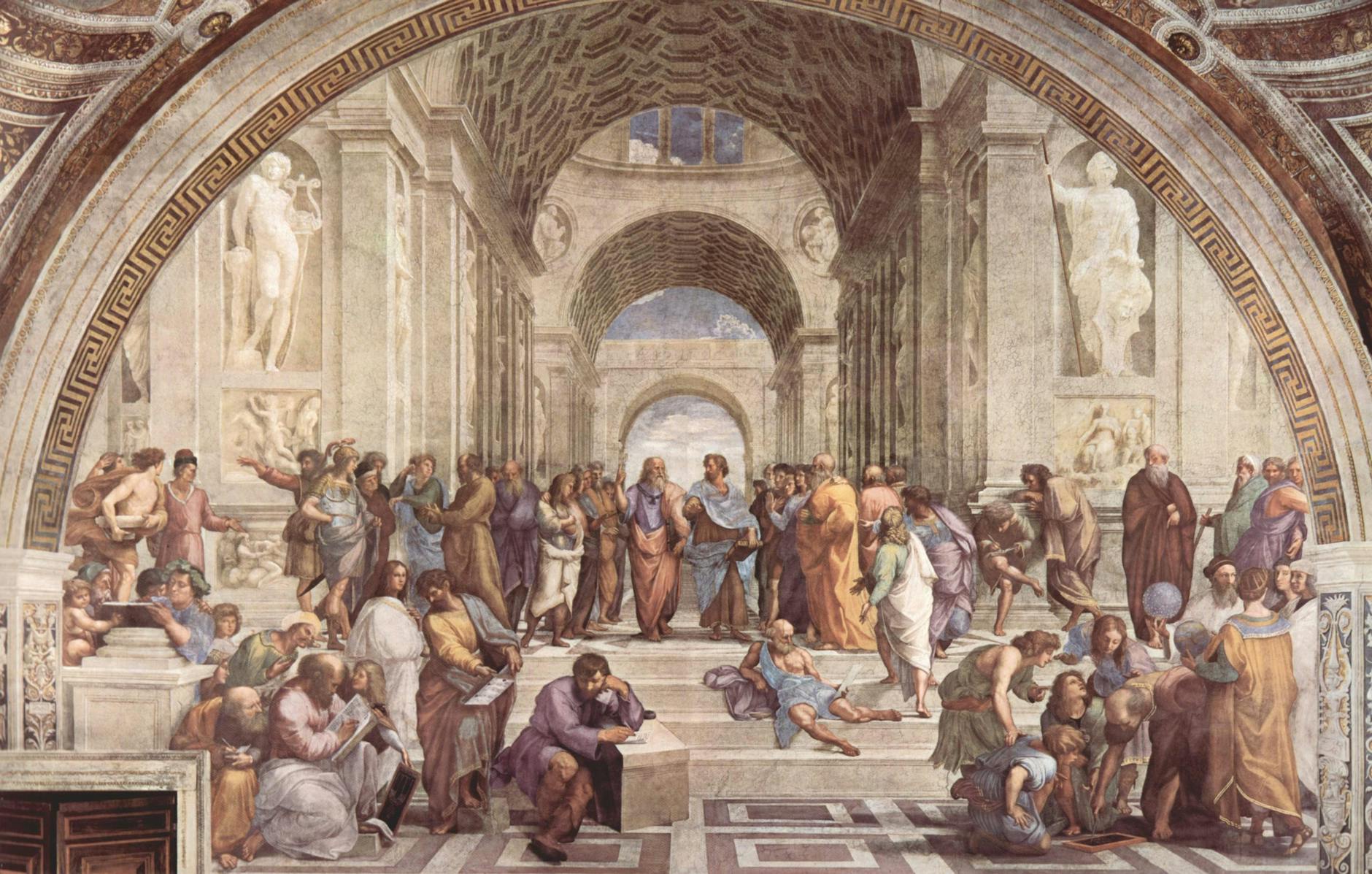
Compassion and charity have been central themes in the works of many great philosophers throughout history. These virtues are not only essential for personal growth but also for the betterment of society. Let’s explore some of their profound insights and timeless wisdom.

Aristotle on Virtue and Charity

Aristotle, in his work Nicomachean Ethics, emphasizes the importance of virtue and the role of charity in achieving eudaimonia (flourishing or happiness). He believed that true happiness comes from living a life of virtue, and charity is a key component of this virtuous life. Aristotle wrote, “The life of money-making is one undertaken under compulsion, and wealth is evidently not the good we are seeking; for it is merely useful and for the sake of something else.”

Immanuel Kant on Duty and Compassion

Immanuel Kant, in his Groundwork of the Metaphysics of Morals, argued that moral actions are determined by duty rather than consequences. He believed that compassion is a duty that we owe to others. Kant stated, “Act in such a way that you treat humanity, whether in your own person or in the person of another, always at the same time as an end, never merely as a means.” This highlights the importance of treating others with dignity and compassion.

Simone Weil on Compassion and Love

Simone Weil, a French philosopher, emphasized the importance of compassion and love in her writings. She believed that true compassion involves a deep understanding and empathy for others. Weil wrote, “The love of our neighbor in all its fullness simply means being able to say to him: ‘What are you going through?'”

Peter Singer on Effective Altruism

Peter Singer, a contemporary philosopher, is known for his work on effective altruism. He advocates for using our resources to do the most good possible. Singer’s approach to charity is pragmatic and utilitarian, focusing on the impact of our actions. He wrote, “If it is in our power to prevent something bad from happening, without thereby sacrificing anything of comparable moral importance, we ought, morally, to do it.”

Conclusion

The writings of these philosophers remind us of the enduring importance of compassion and charity. Whether it’s Aristotle’s emphasis on virtue, Kant’s duty-based ethics, Weil’s deep empathy, or Singer’s practical approach to altruism, these insights continue to inspire and guide us in our pursuit of a more compassionate and just world.

Beyond the Echo Chamber: Fostering Individuality in a Divided Society


It is disheartening to observe the pervasive divisiveness within our society, a manifestation of the antiquated โ€˜us versus themโ€™ mindset. Those wielding power exploit innate human tendencies, such as the need for an adversary and the longing to affiliate with a cause, to secure acceptance and a sense of belonging within societal constructs. This manipulation is further exacerbated as the influential stoke public fears, thereby exerting control in a similar fashion. This cycle, regrettably, continues to perpetuate division and discord.

The incessant influx of information, particularly from platforms such as social media and purported news outlets, coupled with the propagation of conspiracy theories by influential figures, results in a significant portion of the populace becoming disoriented and oblivious to their surroundings. This phenomenon is a contemporary application of the โ€˜divide and conquerโ€™ strategy, supplemented by a barrage of distractions designed to foster confusion and facilitate manipulation. Regrettably, this tactic often succeeds in misleading the public.

While the allure of social media and the intrigue of conspiracy theories can be captivating, it is crucial to occasionally disconnect from these sources to recalibrate oneโ€™s perspective and enhance awareness of the world. This involves consciously disengaging from televisions, computers, smartphones, and other electronic devices. Engaging in outdoor activities such as camping, fishing, or hiking, or pursuing spiritual paths can provide a much-needed respite. Practices such as meditation, prayer, and the study of religious scriptures aligned with oneโ€™s faith can contribute to mental tranquility and facilitate a return to oneโ€™s center. This balanced approach can help individuals navigate the complexities of the modern world with a clearer and more focused mind.

Above all, it is imperative to exercise independent thought, to step back and critically evaluate matters from oneโ€™s unique perspective. Rather than conforming to the majorityโ€™s mindset, one should cultivate and adhere to a personal cognitive framework. This individualistic approach to thinking not only fosters intellectual growth but also promotes authenticity and self-reliance.

Living Authentically: Embracing Individuality and Valuing Life


In our journey through life, we often find ourselves striving to meet external expectations and conform to self-imposed standards influenced by family and societal norms. Amidst this pursuit, we sometimes overlook the essence of existenceโ€”the opportunity to truly live and appreciate the world around us.

1. The Weight of Expectations:

  • As we navigate our youth, we harbor a sense of invincibility, believing time stretches infinitely before us. However, as the years accumulate, we confront the fallibility of our earlier perspectives and grapple with the reality of our mortality.
  • Despite aging, the fear of rejection or inadequacy persists. We remain tethered to societal approval, often at the expense of our authentic selves.

2. The Unseen Miracle of Life:

  • Life itself is a miraculous phenomenon. Each individualโ€”distinct, irreplaceableโ€”is a testament to this wonder. Our uniqueness, imperfections, and idiosyncrasies contribute to the rich tapestry of humanity.
  • Acceptance of self becomes paramount. Who we areโ€”our essenceโ€”is inherently valuable, irrespective of external judgments.

3. Equality and Illusion:

  • In the grand scheme, no one person is inherently superior or inferior. Such distinctions are subjective constructs, mere illusions.
  • Material wealth or success, while commendable, does not elevate oneโ€™s intrinsic worth. Rather, it reflects wise choices and diligent effort.

In embracing our individuality and recognizing the preciousness of every life, we honor the shared human experience. Let us celebrate authenticity, for therein lies our true strength.

ย Diversity: A Challenge and an Opportunity for Humanity


Throughout my existence, I have witnessed the tendency to adopt a subjective viewpoint and neglect the broader picture of the reality surrounding me. To prioritize my own interests and disregard the emotions, struggles, and impacts of others. This phenomenon is prevalent among human beings, driven by the instincts of self-preservation and self-interest. Even the most modest and empathetic individuals I have encountered succumb to this mentality at times.

Most people are not entirely narcissistic or egocentric, but they do experience moments when that aspect of them emerges. At some point in our lives, we all lost connection with the collective or familial spirit and embraced the individualistic mode of thinking. I acknowledge the necessity of a minimal degree of that mode, but our dominant mindset should be oriented towards serving the family and community. We require the distinctiveness of separate identity, but we also benefit from the rewarding experience of belonging to the whole.

The diversity within our species is a gift we often perceive as a curse; we fail to accept as a community anything that deviates from our beliefs or experiences. This is one of the most formidable challenges we face in contemporary times. When will we overcome the elitism, separatism, bigotry, and vindictiveness of our minds and hearts? When will we realize we need the differences and diversity to survive and flourish, when will we recognize we need each other to make this world function?

The fundamental reality is that we are all essentially alike, the majority of us aspire to a better future for ourselves and our offspring. Of course, there are religious and cultural differences as well, but does that entail that you must annihilate or subjugate that which is dissimilar from your own? We can all coexist and accept the diverse beliefs and opinions among us all if we desired to. I am uncertain if it is pride, fear or simply lack of empathy that prevents humanity from uniting and learning to be tolerant of each other.

Regardless of the reason, the fact persists that we cannot transform the world if we do not transform ourselves first. It is one of those things that originates from you and propagates outward as time progresses. The choices you make, the words and actions you opt to say or do are what characterize you in this world. It is what molds your world and affects those around you. So be conscious of your actions and words, have self-respect and respect for all living beings. Have compassion for others as you may one day require it in return. Life is what you invest in it and create it.

In conclusion, we are all fundamentally similar, yet we often fail to appreciate and respect the diversity among us. In this text, I have suggested that diversity is not only a source of conflicts, but also a source of opportunities and benefits, both for individuals and for the society as a whole. I have supported this suggestion by providing examples from various domains, such as psychology, sociology, economics, and education.

To embrace diversity, we need to change ourselves first, and then influence others through our actions and words. We need to cultivate a culture of dialogue, cooperation, and inclusion, where everyone can participate and prosper from the collective wisdom and creativity of the human family. By doing so, we can improve our lives, enhance our potential, and solve the global challenges we face. Diversity is not a curse, but a gift. It is up to us to make the most of it.

Random Thoughts 1-22-24


At times, we may find ourselves ensnared within our own thoughts, entangled in a mental continuum dwelling on our past missteps, contemplating alternative choices, and lamenting missed opportunities. This preoccupation with the past consumes our mental energy to such an extent that it obstructs our ability to fully engage with the present.

It is crucial to recognize the profound influence that fixation on the past can exert upon our present and future. By being preoccupied with what might have transpired, we risk overlooking the opportunities that presently await us. This ceaseless rumination has the potential to give rise to sentiments of remorse, apprehension, and discontent, thereby impeding our ability to wholeheartedly embrace the present and impeding our personal development.

To break free from this cycle, itโ€™s vital to cultivate mindfulness and self-awareness. By practicing mindfulness, we can train our minds to focus on the present, allowing us to experience life as it unfolds rather than being trapped in the past. Moreover, fostering self-awareness enables us to recognize when we are becoming entangled in unproductive thought patterns, empowering us to redirect our attention to the present moment.

Additionally, seeking support from trusted individuals or professionals can be immensely beneficial. Engaging in open conversations about our struggles with trusted confidants or seeking guidance from mental health professionals can provide new perspectives and strategies for moving forward. Through this collaborative effort, we can gradually release the grip of the past and embrace the opportunities that lie ahead.

Ultimately, by embracing the power of the present moment and purposefully releasing unproductive thoughts about the past, we free ourselves from the mental burdens that inhibit our personal and emotional well-being.

Mindfulness is the practice of gently focusing your awareness on the present moment over and over again. It often involves focusing on sensations to root yourself in your body in the here and now. It can be practiced during formal meditation or during everyday activities, like cooking, cleaning, or walking. Mindfulness can help you become more aware of your thoughts and feelings and can help you manage them more effectively.

Self-awareness, on the other hand, involves deep understanding of oneself, including thoughts, emotions, and actions. It is the ability to recognize and understand your own emotions, thoughts, and behaviors, and how they affect others around you. By developing self-awareness, you can better understand your own strengths and weaknesses, and make more informed decisions about your life.

Practicing mindfulness can help you develop self-awareness by allowing you to observe your thoughts and feelings without judgment. This can help you become more aware of your own patterns of thought and behavior and can help you identify areas where you may need to make changes. Additionally, mindfulness can help you develop greater emotional intelligence, which can help you better understand and manage your own emotions, as well as the emotions of others.