Algae, A health food, possible fuel source?


100_0063 Algae, A health food, possible fuel source? The many possibilities for algae are yet discovered. A DHA supplement from algal oil had been used in a research project by Kaiser Permanente and have found 1000 mg of algal oil can reduce triglycerides more effectively than a fish oil supplement.

Excerpt from dha-in-mind.com

“DHA alone can lower triglycerides, says study

07/02/2007 – A study published in the Journal of the American College of Nutrition concluded that the American Heart Association’s recommended cardio protective dose of omega-3 fatty acids can lower triglycerides in patients with coronary artery disease (CAD) – whether the lipids come in the form of DHA combined with EPA or just DHA alone.

The study, conducted through Kaiser Permanente Colorado, involved 116 patients with coronary artery disease and triglycerides greater than 200 mg/dL, approximately 90 percent of whom were on statin drugs.  The groups of participants were supplemented DHA alone, or DHA combined with EPA.“

For Full Article Visit :http://www.dha-in-mind.com/omega-3%20dha%20in%20the%20news.aspx?newsid372=9&DHA-alone-can-lower-triglycerides-says-study

Several Energy companies and government agencies have been studying the possibilities of making Algae fuel.

Excerpt from Wikipedia

Algae fuel is an alternative to fossil fuel and uses algae as its source of natural deposits. Several companies and government agencies are funding efforts to reduce capital and operating costs and make algae fuel production commercially viable.[1] The production of biofuels from algae does not reduce atmospheric carbon dioxide (CO2), because any CO2 taken out of the atmosphere by the algae is returned when the biofuels are burned. They do however potentially reduce the introduction of new CO2 by displacing fossil hydrocarbon fuels.

High oil prices, competing demands between foods and other biofuel sources, and the world food crisis, have ignited interest in algaculture (farming algae) for making vegetable oil, biodiesel, bioethanol, biogasoline, biomethanol, biobutanol and other biofuels, using land that is not suitable for agriculture.”

For full Wikipedia article visit: http://en.wikipedia.org/wiki/Algae_fuel

So what other wonders will algae have in store for us in the future? Algae is being used as fertilizer, a nutrient source and for pollution control already. It is a very useful and versatile plant and I expect many more uses will be discovered in the near future.

Well Enough of my babling for now.
Peace to all
Raymond Barbier

Fresh Produce and a Healthier Diet


Various fruits, vegetables, nuts, and grains; ...
Image via Wikipedia

  I have noticed in the news they have been pushing the fresh fruits and vegetable thing again and I think it is a good idea. Unfortunately most fresh fruits and vegetables are quite expensive compared to the unhealthy foods most of us like and eat. There is one way to cut costs on fresh produce and that is to grow your own and can them yourself. What you don’t eat during the season is still healthier as home canned than store bought canned. Frozen produce has been proven also to be as healthy if not sometimes healthier than the fresh produce at the grocery store. This is due to the fact the produce is frozen close to the harvest time that retains the nutritional levels unlike produce that is shipped and stored which makes it less nutritional due to the time between harvest and consumption. Fresh picked produce is better especially if you were the one to grow it because the fact you would use less pesticides if none during the growing process.

Even Meat sources that are raised by the consumer would be healthier due to the absence of hormones and antibiotics that commercial farms use. Plus fresh meat tastes better or at least it does to me. Just remember the old saying you are what you eat so when you eat chemicals and additives in processed food your body either has to work hard to remove the toxins or it is storing it in your body fat. Do not always listen to what the media and government tries to say is or isn’t healthy just follow the rule if it is not natural then more and likely it isn’t healthy to eat. And if it is natural is is safe to eat if not healthy. Some natural things are not as healthy as others but if you balance your good with not as good then you can have a enjoyable and healthy diet.

Peace and happiness to you all

Ray Barbier

Food City Joins in Nuval Scoring System


  Food City has joined in the Nuval Scoring system which makes good nutrition easy by providing comprehensive nutritional information in a single number.

To help Explain Nuval a bit here is an excerpt from the Nuval site

How the Scoring Works

NuVal™ Scores summarize comprehensive nutritional information in one simple number between 1 and 100.  Each NuVal™ Score takes into account more than just the nutrition fact panel.  It considers 30-plus nutrients and nutrition factors – the good (protein, calcium, vitamins) and the not-so-good (sugar, sodium, cholesterol).  And then it boils it down into a simple, easy-to-use number; a number you can trust to make better decisions about nutrition in just a few seconds.

for further information on Nuval go to http://nuval.com

Get up and get outside


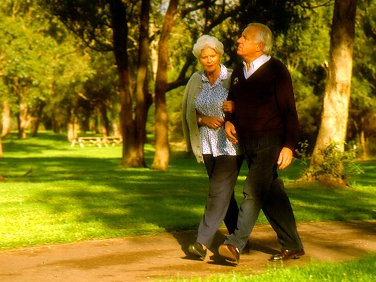
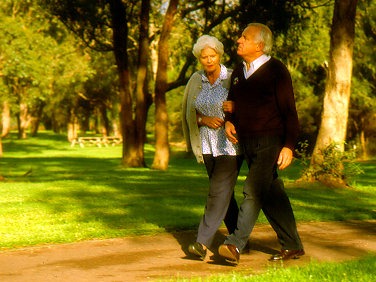
p10053   Walking, Jogging and Bicycling are not only good for the body but they also contribute to your mental health as well. They help the body get rid of triglycerides and also trigger the production of several key chemicals that help to enhance your mood. Our bodies were designed to move and quite often, we were designed to be both hunters and gatherers which before the modern world appeared helped us to keep healthy. Now with T.V. and computers occupying most of our free time and our jobs becoming less and less of a physical workout we seem to be putting on the pounds which promotes the decline in our health.

Since for most of us the hunting gathering days are behind us we need to take time from our T.V. and other modern conveniences to go out and do something both fun and healthy. You can get exercise from many fun activities such as playing basketball, baseball or even playing tag with your children. Walking is one of the best forms of exercise since its low impact and you can start at the lowest pace. Even slow paced walking is beneficial and now studies show you can walk or jog in small 15 minute intervals two to three times a day and still get the same result as if you did it all in one session.

  I myself find walking very therapeutic and quite calming for my nerves and mind. While walking I tend to dwell on the problems of the day to start with and work them out then I clear my mind and focus on the scenery. By the time my walk is over I don’t feel all the stress I felt before the walk. Some of that is due to the chemicals the body creates during exercise and the rest is due to the fact I am able to let go of my problems during the walk. I believe walking is similar to Tai Chi in the sense it can be a type of moving meditation if one desires. Tai Chi is also a good form of exercise and has proven to be beneficial to your muscle and joint health and calming to the mind.

Try to find a physical activity that is fun to do and you will find a happier and healthier you. Get up and get outside so you can enjoy life.

Until Next Time.

Peace
R.Barbier

Scientists grow a rat lung in the laboratory


rat-t9784 The Associated Press

Saturday, June 26, 2010 | 12:34 a.m.

It’s an early step toward one day building new lungs: Yale University researchers took apart and regrew a rat’s lung, and then transplanted it and watched it breathe.

The lung stayed in place only for an hour or two, as the scientists measured it exchanging oxygen and carbon dioxide much like a regular lung _ but also spotted some problems that will take more research to fix.

Still, the work is a step in the science fiction-sounding hunt for ways to regenerate damaged lungs _ although lead researcher Dr. Laura Niklason cautions that it may be 20 or 25 years before a build-a-new-organ approach is ready for people.

The work was reported online Thursday in the journal Science.

To read the full article at The Las Vegas Sun : http://www.lasvegassun.com/news/2010/jun/26/scientists-grow-a-rat-lung-in-the-laboratory/

More than 2M cribs recalled amid safety concerns


baby_with_stuffed_bear The Consumer Product Safety Commission says most of the cribs are drop-sides, which have a side rail that moves up and down so parents can lift children from them more easily. That movable side can malfunction or detach from the crib and create a dangerous gap where babies’ heads can become trapped.
The companies involved in the recall are Evenflo, Delta Enterprises Corp., Child Craft, Jardine Enterprises, LaJobi, Million Dollar Baby and Simmons Juvenile Products Inc.
There are reports of at least 16 infants becoming trapped in the cribs.

To Read Full Article at Town Talk <<Click Here>>

The Power of Prayer


p10327 (WebMD) — When Aretha Franklin crooned the words "I say a little prayer for you" in the hit 1960s song she probably didn’t imagine that the soulful pledge would become the stuff of serious science. But increasingly, scientists are studying the power of prayer, and in particular its role in healing people who are sick.

Most research in the field looks at how people who are sick are affected by their own spiritual beliefs and practices. In general, these studies have suggested that people who are religious seem to heal faster or cope with illness more effectively than do the nondevout.

But a few scientists have taken a further step: They’re trying to find out if you can help strangers by praying for them without their knowledge.

A recent, controversial study of cardiac patients conducted at St. Luke’s Hospital in Kansas City, Missouri, concludes that this type of prayer — known as intercessory prayer — may indeed make a difference. "Prayer may be an effective adjunct to standard medical care," says cardiac researcher William Harris, Ph.D., who headed the St. Luke’s study. The study was published in the October 25, 1999 issue of the Archives of Internal Medicine.

Harris and team examined the health outcomes of nearly 1,000 newly admitted heart patients at St. Luke’s. The patients, who all had serious cardiac conditions, were randomly assigned to two groups. Half received daily prayer for four weeks from five volunteers who believed in God and in the healing power of prayer. The other half received no prayer in conjunction with the study.

The volunteers were all Christians. The participants were not told they were in a study. The people praying were given only the first names of their patients and never visited the hospital. They were instructed to pray for the patients daily "for a speedy recovery with no complications."

Harris originally embarked on his study to see if he could replicate a similar 1988 study of intercessory prayer conducted at San Francisco General Hospital. That study — one of the only published studies of its kind — also found that prayer benefited patients, but by a different measure: The patients were able to go home from the hospital sooner. In Harris’ study, the length of the hospital stay and the time spent in the cardiac unit were no different for the two groups.

Still, Harris says, his study bolsters the evidence that prayer works. "To me it almost argues for another intelligence, to have to redirect this very vague information."

At the very least, he says, his results validate the need for more research. "It strengthens the field. The more studies done in independent, different places, the closer you are to the truth," he says.

Intercessory prayer has been the subject of scientific study since at least the nineteenth century, when an English scientist, assuming that kings were prayed for more often than others, sought to find out whether those prayers were answered. He concluded that they were not, but that prayer might be a comfort to the people praying anyway.

After talking with physicians who wondered about the power of prayer to heal patients, Brandeis sociologist Wendy Cadge, an expert on the intersection of religion and medicine in contemporary American society, set out to research medical studies of intercessory prayer going back to 1965, the first year such studies were published in the English language medical literature.

"This analysis in the Journal of Religion is the first to trace the social history of intercessory prayer studies and to situate them in their medical and religious contexts," said Cadge, who this year is the Suzanne Young Murray Fellow at the Radcliffe Institute for Advanced Study at Harvard University. While there she is working on her forthcoming book, Paging God: Religion in the Halls of Medicine.

Cadge evaluated eighteen published studies on intercessory prayer that were conducted between 1965 and 2006. Collectively, the studies provide a fascinating snapshot of changing American religious demographics, evolving ideas about the relationship between religion and medical science, and the development of the clinical trial as the gold standard of biomedical research, said Cadge.

"I do not know why physicians and scientists conducted these studies," said Cadge, "but personal religious beliefs appear to have played a role, along with curiosity."

The earliest studies undertaken in the sixties were based exclusively on Protestant prayers, while more recent studies, reflecting growing social awareness of other religions, combine Christian, Jewish, Buddhist and other prayers, Cadge discovered. Some studies suggested that prayer worked, while others said it didn’t.

Power Of Prayer – How powerful is it?
The power of prayer should not be underestimated. James 5:16-18 declares, "…The prayer of a righteous man is powerful and effective. Elijah was a man just like us. He prayed earnestly that it would not rain, and it did not rain on the land for three and a half years. Again he prayed, and the heavens gave rain, and the earth produced its crops." God most definitely listens to prayers, answers prayers, and moves in response to prayers.
Jesus taught, "…I tell you the truth, if you have faith as small as a mustard seed, you can say to this mountain, ‘Move from here to there’ and it will move. Nothing will be impossible for you" (Matthew 17:20). 2 Corinthians 10:4-5 tells us, "The weapons we fight with are not the weapons of the world. On the contrary, they have divine power to demolish strongholds. We demolish arguments and every pretension that sets itself up against the knowledge of God, and we take captive every thought to make it obedient to Christ." The Bible urges us, "And pray in the Spirit on all occasions with all kinds of prayers and requests. With this in mind, be alert and always keep on praying for all the saints" (Ephesians 6:18).

Power Of Prayer – How do I tap into it?
The power of prayer is not the result of the person praying. Rather, the power resides in the God who is being prayed to. 1 John 5:14-15 tells us, "This is the confidence we have in approaching God: that if we ask anything according to his will, he hears us. And if we know that he hears us – whatever we ask – we know that we have what we asked of him." No matter the person praying, the passion behind the prayer, or the purpose of the prayer – God answers prayers that are in agreement with His will. His answers are not always yes, but are always in our best interest. When our desires line up with His will, we will come to understand that in time. When we pray passionately and purposefully, according to God’s will, God responds powerfully!
We cannot access powerful prayer by using "magic formulas." Our prayers being answered is not based on the eloquence of our prayers. We don’t have to use certain words or phrases to get God to answer our prayers. In fact, Jesus rebukes those who pray using repetitions, "And when you pray, do not keep on babbling like pagans, for they think they will be heard because of their many words. Do not be like them, for your Father knows what you need before you ask him" (Matthew 6:7-8). Prayer is communicating with God. All you have to do is ask God for His help. Psalm 107:28-30 reminds us, "Then they cried out to the LORD in their trouble, and he brought them out of their distress. He stilled the storm to a whisper; the waves of the sea were hushed. They were glad when it grew calm, and he guided them to their desired haven." There is power in prayer!

Power Of Prayer – For what kind of things should I pray?
God’s help through the power of prayer is available for all kinds of requests and issues. Philippians 4:6-7 tells us, "Do not be anxious about anything, but in everything, by prayer and petition, with thanksgiving, present your requests to God. And the peace of God, which transcends all understanding, will guard your hearts and your minds in Christ Jesus." If you need an example of a prayer, read Matthew 6:9-13. These verses are known as the Lord’s prayer. The Lord’s prayer is not a prayer we are supposed to memorize and simply recite to God. It is only an example of how to pray and the things that should go into a prayer – worship, trust in God, requests, confession, protection, etc. Pray for these kinds of things, but speak to God using your own words.
The Word of God is full of accounts describing the power of prayer in various situations. The power of prayer has overcome enemies (Psalm 6:9-10), conquered death (2 Kings 4:3-36), brought healing (James 5:14-15), and defeated demons (Mark 9:29). God, through prayer, opens eyes, changes hearts, heals wounds, and grants wisdom (James 1:5). The power of prayer should never be underestimated because it draws on the glory and might of the infinitely powerful God of the universe! Daniel 4:35 proclaims, "All the peoples of the earth are regarded as nothing. He does as he pleases with the powers of heaven and the peoples of the earth. No one can hold back his hand or say to him: ‘What have you done?’"

Reference Links: (click on links to read full articles)
http://archives.cnn.com/2000/HEALTH/alternative/01/18/prayer.power.wmd/
http://www.allaboutprayer.org/power-of-prayer.htm
http://www.sciencedaily.com/releases/2009/06/090617154401.htm


Any amount of exercise is better than none


p10053   As you get older allot of things begin to change and you have to work harder on keeping your health and vitality. making sure you have enough fiber and keeping your minerals and vitamins at a good level by eating healthier is only part of the picture. Most Americans are not active enough to keep their bodies healthy and that only leads to gaining weight, high blood pressure, clogging and hardening of the arteries among other health risks. You should also keep your mind exercised so to keep it functioning. As the old saying goes if you don’t use it you will loose it applies to the human body more than people know.

  Allot of things get in the way of exercise, one is the lack of stamina and physical strength. Some people may not be able to exercise the 20 to 30 minutes suggested by most physicians. New research has revealed that you can exercise get that 20 to 30 minutes of exercise in 5 minute intervals throughout the day and achieve very much the same results. The way I look at it any amount of exercise is better than none. So try to eat healthier and exercise the most your able and as time goes on you will be able to exercise more as your body improves.

Just remember it took you years if not decades to get this out of shape and so it may take a while to improve your health. No results are instant and there is no easy way to loose weight or become healthier. It all takes effort and some times a bit more than most of us like. But if you put your mind to it there is no reason why you cant make a difference in your overall health.

Vitamin C for heart health and more


Vitamin C is a Antioxidant.  Works with and recycles vitamin E; Keeps blood vessels healthy; raises ‘good’ & lowers Lp(a) cholesterol; speeds up bowel, reduces length & severity of colds. Vitamin C — along with the amino acids proline and lysine — is essential for the formation of healthy collagen. Many vitamins and minerals act as catalysts to support the manufacture of proteins. In the case of collagen, however, vitamin C is actually used up as it combines with two amino acids — lysine and proline — to form pro-collagen. Pro-collagen is then used to manufacture one of several types of collagen found in different tissues throughout the body.
A new study led by researchers at the University of California, Berkeley, adds to the evidence that vitamin C supplements can lower concentrations of C-reactive protein (CRP), a central biomarker of inflammation that has been shown to be a powerful predictor of heart disease and diabetes. The same study found no benefit from daily doses of vitamin E, another antioxidant.

This study comes just days after a larger, eight-year clinical trial led by researchers at Boston’s Brigham and Women’s Hospital failed to show that vitamins C or E could cut the risk of heart attacks or strokes.

That trial does not necessarily close the books on the benefits of vitamin C for cardiovascular health, according to Gladys Block, UC Berkeley professor emeritus of epidemiology and public health nutrition and lead author of the study looking at vitamins C and E and their impact on CRP levels. She pointed out that the Brigham and Women’s Hospital study did not screen study participants for elevations in CRP – defined by the American Heart Association as 1 milligram per liter or greater – which is an important distinction in determining who might benefit from taking vitamin C.

The study led by Block, currently online and scheduled to appear in the Jan. 1 issue of the journal Free Radical Biology and Medicine, shows that for healthy, non-smoking adults with an elevated level of CRP, a daily dose of vitamin C lowered levels of the inflammation biomarker after two months compared with those who took a placebo. However, participants who did not start out with elevated CRP levels saw no benefit from vitamin C supplementation.

"This is an important distinction; treatment with vitamin C is ineffective in persons whose levels of CRP are less than 1 milligram per liter, but very effective for those with higher levels," said Block. "Grouping people with elevated CRP levels with those who have lower levels can mask the effects of vitamin C. Common sense suggests, and our study confirms, that biomarkers are only likely to be reduced if they are not already low."

A 10-year study from UCLA showed that in a population of more than 11,000 US adults aged 25-74, men who took 800 mg of vitamin C daily lived about six years longer than men who took only 60 mg of vitamin C daily. Even after controlling for smoking, education, race, diseases, and other factors affecting survival, higher vitamin C intake in men still predicted lower mortality. Increased vitamin C intake was likewise associated with greater longevity in women. Higher vitamin C intake reduced cardiovascular deaths by 42% in men and 25% in women.

Several recent studies suggest that ensuring optimal vitamin C status not only protects against cardiovascular disease, but also greatly lessens the risk of suffering a life-threatening heart attack.

For example, in a Finnish study of middle-aged men without evidence of pre-existing heart disease, men who were deficient in vitamin C were 3.5 times more likely to suffer heart attacks compared to those who were not deficient in the vitamin, even after adjusting for smoking and other pertinent risk factors. This led the researchers to propose that vitamin C deficiency, as assessed by low plasma concentration, is a risk factor for heart attack.
Also if used in combination with other antioxidants, such as vitamin E and flavonoids, vitamin C may combat the deteriorative effects of aging (such as wrinkles) caused by free-radical damage. It may also help you live longer. In one study, men who took more than 300 mg of vitamin C a day (from food and supplements) lived longer than men who consumed less than 50 mg a day.

Healthy Pizza Recipe


For those parents who are forever seeking ways to feed their children healthy food, this will be a great solution you can add to your secret bag of tricks.  Every kid loves pizza and there is no reason they have to know just how healthy our pizza recipe is.  You know and that’s all that matters.  Besides being scrumptious, the whole family can build individual pizzas to their own liking, adding fun to health.  The more you can create associations of "tasty" and "fun" to healthy eating, the better.  Here is how you do it.

Crust
Putting the word "healthy" into pizza starts with the crust.  Most standard pizzas your kids are eating is full of nutritionally useless white  gluey flour.  Did you know that white flour spikes blood sugar faster than white sugar?  That makes white flour very addictive.  The fast alternative is using whole grain pita shells.  All grocery stores should carry them in the bread area.  They are a perfect size for making individual pizza masterpieces. Look for the thin ones, they have half the calories than the thick ones, 70 calories compared to about 150 calories. 

Now you may have to take some searching and reading the ingredients time to find better food for your family to eat.  But before you know it you will familiarize yourself with a whole new part of the grocery store.  It’s worth the effort.  If you cannot find the thin type of whole grain pita shells, don’t panic, the more common thicker ones will work just fine.  Just make sure they are whole grain. 

Pizza Sauce
Canned pizza sauce can be found on the shelf beside the spaghetti sauce.  Again, read the ingredients.  Try to find a brand that is not full of unpronounceable chemicals and oil, unless it is olive oil, preferably, extra virgin olive oil. 

If your really ambitious, you can always make your own pizza sauce.  Blend five Roma tomatoes with two tablespoons of extra virgin olive oil, and season with salt, garlic and Italian Spice, to taste.    To be honest, we just use the canned stuff.

Cheese
May I introduce you to goats cheese.  A goat’s digestive system is much closer to ours than a cow’s, therefore their milk is more digestible for humans.  And yes, you can buy mozzarella goats cheese.  If you don’t tell them nether will I.  The stuff tastes great!  There is also soy cheese, but again read the ingredients.  Just because it’s soy doesn’t mean it’s healthy. 

If you absolutely must use regular cheese, go easy on it.  Buy stronger tasting cheese, like cheddar so you can use less.  Parmesan is great too because a little goes a long way.

Toppings
Now we get to the fun stuff.  I am going to give you a list of great pizza toppings but I am sure you can think of many more.  You can put just about anything on pizza, creating a mélange of unique flavors and bright color.  You can dice your toppings large or small.  The rule of thumb is strong flavored toppings like onion, garlic and hot pepper should be diced finely, were tomato or mushroom can be sliced.

Here is our top ten list:
tomatoes
onions
black & green olives
mushrooms
pineapple
all types of peppers
soy pepperoni
broccoli
spinach
feta cheese

Building and Baking
Prepare all the toppings ahead of time .  Preheat oven to 450 Fahrenheit. Have the pitas laid out on cookie sheets, two will fit per sheet.  You can fit two sheets in your oven.  Allow the family to build their own pizza’s, ladies before gentlemen.  Bake for 10 to 15 minutes or until cheese is melted.  Expect demands for seconds!
Suggestions: I like a little cheese under and on top of my toppings, it helps hold the mountain together.

For more healthy recipes grab this cookbook  “Whole Foods & Healing Recipes – by:Ron Lagerquist”  from http://www.freedomyou.com/o.aspx