
How to Find Common Ground in a Divided World


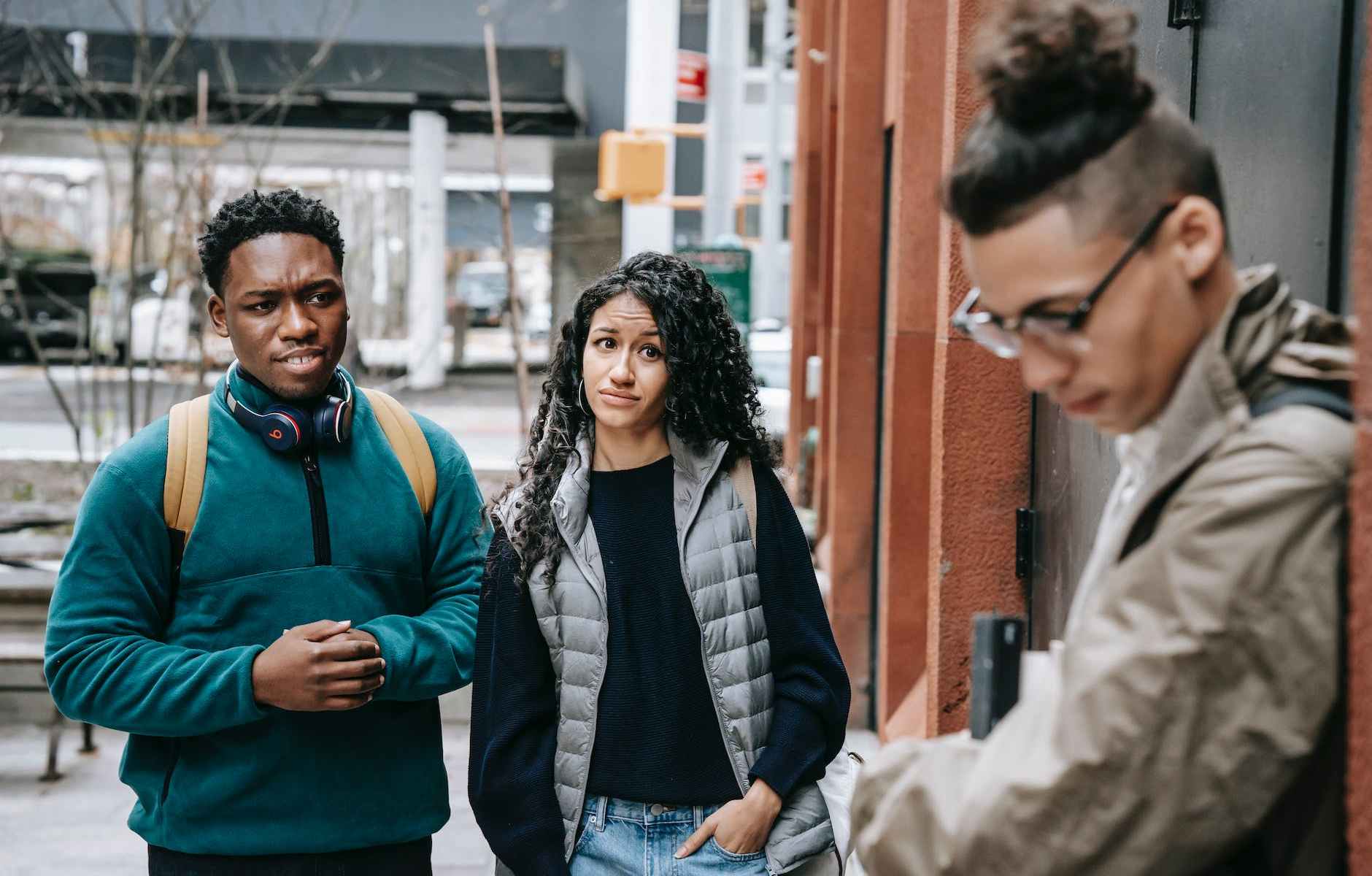
We live in a divided world. We see so much conflict, violence, and hatred around us. We see people fighting over politics, religion, culture, and other issues. We see people who are different from us as enemies, not as fellow human beings. We see more reasons to separate ourselves from each other than to unite with each other.

This is not good for us. This is not good for our world. When we are divided, we are weaker. We are more vulnerable to the problems that affect us all, such as poverty, disease, climate change, and terrorism. We are also missing out on the beauty and diversity that each person and group can bring to our world.

How can we overcome this division and find common ground? How can we build bridges instead of walls? How can we foster peace instead of war?

There is no easy answer to these questions, but there are some steps we can take to start the process. Here are some tips on how to find common ground in a divided world:

  • Be curious and open-minded. One of the main reasons why we are divided is because we don’t understand each other. We don’t know what makes each other tick. We don’t know what scares, inspires, or challenges each other. We don’t know what values, beliefs, or experiences each other holds. To find common ground, we need to be curious and open-minded about each other. We need to ask questions, listen actively, and learn from each other. We need to be willing to challenge our own assumptions and biases and to respect different perspectives and opinions.
  • Be empathetic and compassionate. Another reason why we are divided is because we don’t care about each other. We don’t feel what each other feels. We don’t share each other’s joys and sorrows. We don’t recognize each other’s dignity and humanity. To find common ground, we need to be empathetic and compassionate towards each other. We need to put ourselves in each other’s shoes and try to understand how they feel and why they act the way they do. We need to acknowledge each other’s emotions and needs and offer support and kindness when needed.
  • Be respectful and civil. A third reason why we are divided is because we don’t respect each other. We don’t treat each other with courtesy and decency. We don’t honor each other’s rights and freedoms. We don’t appreciate each other’s contributions and achievements. To find common ground, we need to be respectful and civil towards each other. We need to use polite and constructive language and avoid insults and attacks. We need to follow the rules of fair and honest dialogue and avoid interruptions and distractions. We need to celebrate each other’s strengths and talents and acknowledge each other’s efforts and improvements.
  • Be cooperative and collaborative. A fourth reason why we are divided is because we don’t work with each other. We don’t cooperate on common goals and interests. We don’t collaborate on creative solutions and innovations. We don’t coordinate effective actions and strategies. To find common ground, we need to be cooperative and collaborative with each other. We need to identify areas of agreement and alignment and build on them. We need to generate ideas and options that benefit everyone involved and select the best ones together. We need to implement plans and projects that achieve positive outcomes for all stakeholders.

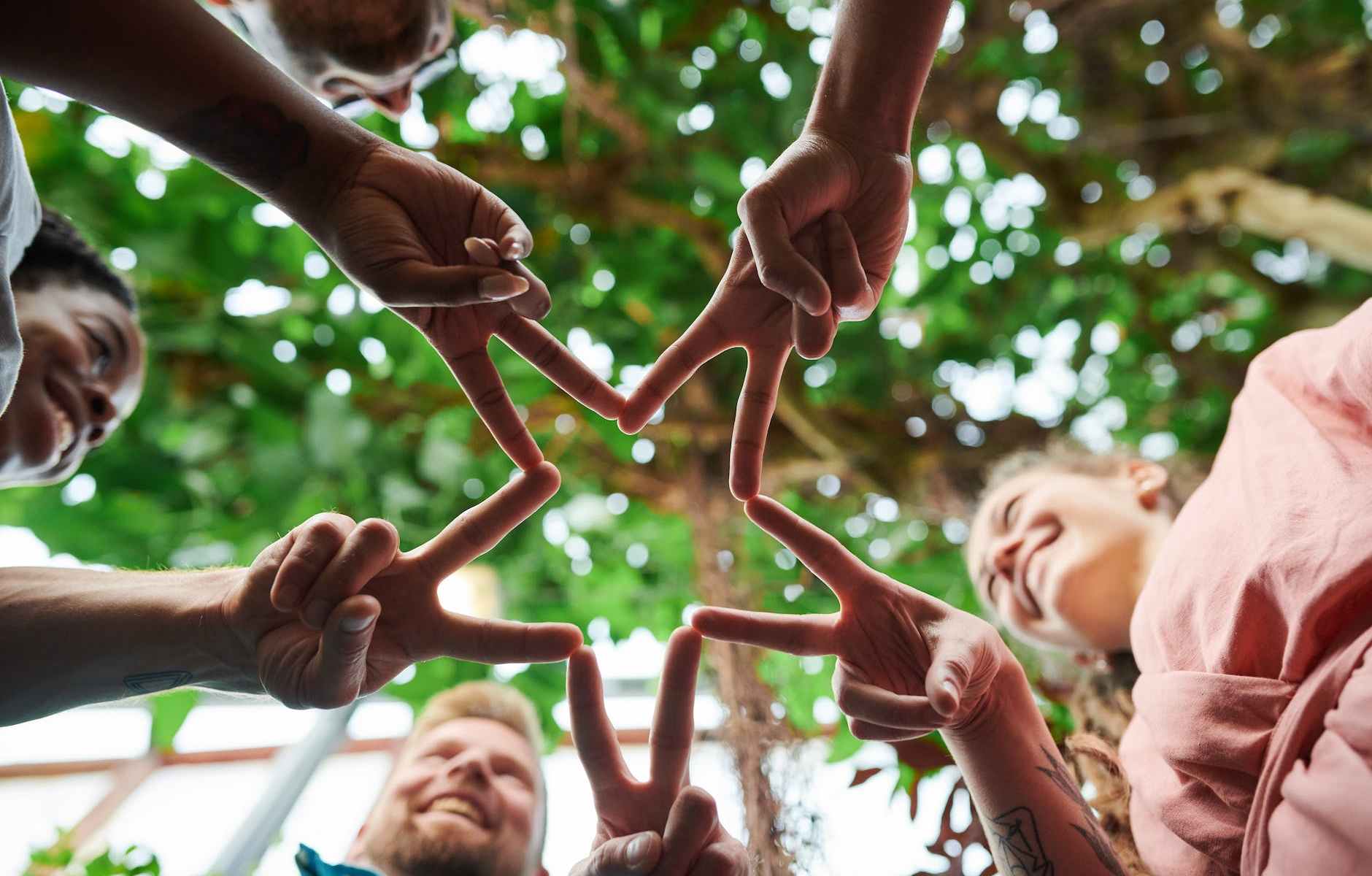
Finding common ground in a divided world is not impossible, but it requires effort and commitment from all of us. It requires us to be curious, empathetic, respectful, and cooperative with each other. It requires us to see beyond our differences and discover our similarities.

By finding common ground, we can create a more peaceful world for ourselves and for future generations.

We have one lifetime to make a difference in this world. Let’s make it count.

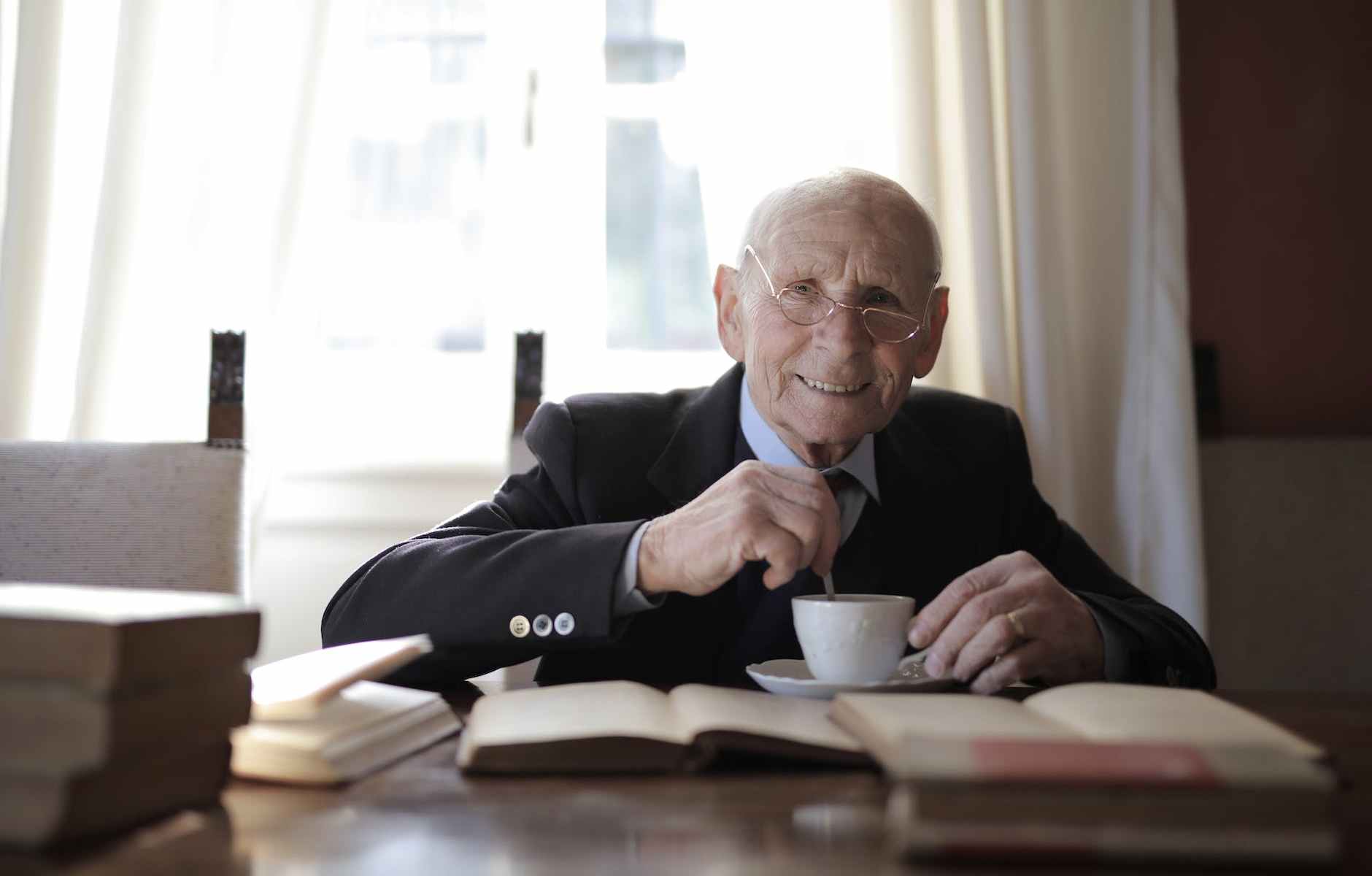
Respect, dignity and the Elderly.


Respecting and appreciating others for who they are and what they mean to us is a valuable lesson for everyone. Many people struggle with feeling invisible or insignificant, which can damage their self-confidence and mental well-being. This is especially true for the young and the old, who often face more challenges and discrimination in life. Whether itโ€™s because of legal restrictions, health issues, or generational gaps, they may feel powerless or unwanted by society.

We are all important and worthy of recognition in this world. We all deserve to be loved, to love, and to live with dignity. Sadly, this world is full of division, injustice, and very unequal distribution of power and wealth. Those who have plenty seem to be blind to the suffering of those who have nothing, fear and greed keep it that way, sadly.

Recently, the government has taken some steps to provide financial assistance to children and reduce child poverty, which is a positive sign of their commitment to improving children’s well-being. However, the elderly population seems to be under constant attack by some in Congress due to their views on Entitlement programs such as Social Security, Medicare, and Medicaid.

How come the spending cuts always target the programs that are meant to help the most vulnerable and needy members of our society and those who cannot fend for themselves? The older generation is the one that contributed their taxes throughout their careers, elected most of those in office, created the technology we use today, and shaped this great nation we live in. They deserve more respect than they are getting from those in power.

I urge the young to remember that you will one day grow old and need or want some of the benefits that some in Congress want to reduce or eliminate. The elderly are your parents and grandparents too. Not everyone has the same chance to prepare for retirement due to low income and factors beyond their control. The elderly deserve to be honored, appreciated, and respected not only for the work they have done but for the wisdom and knowledge they have to offer to others.

Respecting and caring for the elderly is a common theme in almost every religion, and different religions have their own views on how to do so. Some of these views are as follows:

Christians believe that God commands them to honor their parents and to care for the elderly with gratitude and love. They follow the example of Jesus, who was compassionate to the elderly and gave his mother to his disciple John before he died on the cross.

Muslims respect and honor the elderly for their contributions and sacrifices to society. They have a duty to care for their parents and to show mercy and compassion to the elderly. They look up to Prophet Muhammad (peace be upon him) who established Islam at an old age and honored his elderly companions.

Hindus revere the elderly as venerable and worthy of respect. They think that caring for the elderly is a sacred duty and a way of repaying the debt to their ancestors. They also think that the elderly have spiritual knowledge and experience that can guide the younger generations. They follow a four-stage model of life, in which the last stage is renunciation, where one detaches from worldly affairs and devotes oneself to God.

Buddhists value the elderly as teachers and role models of the Buddhist path. They think that caring for the elderly is a way of practicing compassion and generosity, two of the main virtues in Buddhism. They also think that the elderly have insight and wisdom through their life experiences and can help others overcome suffering. They follow a five-precept code of ethics, which includes respecting life, property, speech, sexuality, and mind.

Jews honor the elderly as bearers of tradition and heritage. They think that caring for the elderly is a mitzvah (commandment) and a form of honoring God. They also think that the elderly have a special connection with God and can offer blessings and prayers for others. They follow the Torah (law) as their guide for life, which includes many rules and rituals regarding respect for parents, elders, and teachers.

These are some of the teachings and views of the major religions of the world on caring for the elderly. They show that the elderly have a special status and a right to be treated with respect, dignity, and kindness. They also show that caring for the elderly is a way of expressing one’s faith, values, and gratitude. By learning from these teachings and views, we can appreciate the diversity and richness of the world’s religions and cultures, and we can also improve our own attitudes and behaviors toward the elderly.

Mental Health Problems: A Growing Concern for School-Age Kids


Mental health and high school-aged children have been a hot topic in the news lately. Some say that mental health issues have risen in recent years, while others think that we are just more aware and attentive to our childrenโ€™s emotional and mental well-being. Either way, the study reveals that girls are twice as likely as boys to struggle with emotional and mental issues in high school.

When I think back to my teenage years, I remember that girls faced more body shaming than boys, and they had to deal with it from both genders, while boys mostly got it from other boys. This could be one of the reasons why female students have higher rates of emotional and mental health issues.

I also remember that bullying, body shaming, and social exclusion started as early as elementary school. So mental health issues could begin in elementary or middle school. School years can be very hard for some people to get through. If you donโ€™t fit in with a certain look, clothes, personality, or economic status, you can be either rejected or ignored by your peers.

Teenagers face more emotional and mental challenges than ever before, partly because of the social media platforms that enable their peers to bully them in new ways. Some children lack empathy and think bullying is cool or fun, and they inflict a lot of harm on the mental health of the rest of the school-age population. Bullying seems to be a problem that has existed for as long as humans walked this earth. And it is something we need to address, especially in our kids.

Instead of judging a bully harshly, we should try to understand the root causes of their behavior. They might be struggling with mental health problems or a difficult family situation. We should intervene early and offer support to the children who bully others and their families. This way, we can prevent a lot of the harm that bullying causes to everyone involved.

Schools and communities should provide free mental health services. Parents and teachers should be trained to deal with mental health issues and bullying. We should end the stigma around mental health and raise awareness about its significance. This could help prevent future tragedies such as mass shootings and violent crimes caused by mental health problems.

Nothing matters more than our children and their future. We have a duty to do everything in our power to ensure they thrive physically and mentally. They are the future leaders and innovators of the world and we must equip them with the skills and help they need to succeed. We owe them nothing less than a healthy and happy life.

In conclusion, our children are our most valuable asset and we have a moral obligation to ensure their well-being. We cannot afford to ignore the physical and mental health challenges they face in this complex and uncertain world. We must take action and demand better policies and resources from our government to support them. We must also provide them with the love and care they need at home and in the community. Our children are the future and they deserve nothing less than our best efforts. Letโ€™s make it happen.

Alone or Not? The Cosmic Mystery of UAPs and Alien Wonders


I have often wondered if we are alone in the universe or if there is life somewhere else. Space is so huge and varied, with many stars and planets that could support life in the right conditions. Maybe there is a civilization out there that is much older and more advanced than ours, or maybe only simple microbes and cells exist beyond our solar system.

My opinion is that we are not the only intelligent beings in the universe. There could be both more and less advanced races than us, depending on how long they have existed. I think the universe would be too empty if only one sentient species were inhabiting it. It makes more sense to have a diversity of species throughout the universe to spread and sustain life.

I donโ€™t rule out the possibility that extraterrestrials have visited Earth and influenced our ancestors, but there is no clear evidence for that yet. I know that traveling across vast distances of space from another star system is beyond our current science and technology, but some older and more advanced races may have discovered ways to fold space, warp space, or use wormholes to shorten the travel time.

The Ancient Alien theory doesnโ€™t resonate with me when it suggests that humans required alien support to build enormous structures and so on. Thatโ€™s undervaluing human ingenuity and talents. Some ancient constructions are still amazing and challenging to reproduce with todayโ€™s technology, but that is not proof that some extraterrestrial species were involved in their creation.

The U.S. Government has recognized the existence of UAPs (previously called UFOs) and some of them have shown abilities beyond our current technology. This has cleared the way for the topic to be explored without stigma. This enables more serious scientific inquiry and open conversation on the phenomenon without the academic and social stigma that used to hinder it.

Many UFO enthusiasts and conspiracy theorists wonder if governments around the world have alien technology or contact and are keeping it secret from the public. If that is the case, I wouldnโ€™t be shocked and I would think that revealing that they have been hiding that from the public would be something difficult for them to do without causing some kind of social turmoil or political fallout.

Sooner or later, the truth always emerges no matter how much they try to conceal it from the public. So they will probably try to find a way to disclose most of the truth but in a way to minimize the political and social repercussions of hiding the truth for so long. But as I said before, this is all speculation and theory when it comes to the possibility of the governments hiding the truth of their possession of alien spacecraft and technology or possible contact with such extraterrestrial beings.

I wish that if there are Extraterrestrial visitations and technology that our governments are hiding, that they will be revealed and found within my lifetime. Far as the religions of the world, I donโ€™t think the discovery that we are not alone in the universe would cause any problems. Instead, I think it would just reinforce their belief and faith.

In conclusion, I have shared my thoughts and opinions on the possibility of life in the universe, the existence of UAPs, and the potential cover-up of alien technology and contact by the governments. I have also expressed my hope and curiosity to learn the truth in my lifetime, and my view on how the religions of the world would react to such a discovery. These are all speculative and theoretical topics, but they are fascinating and intriguing to explore.

Thank you for reading my blog post on the possibility of life in the universe and the mystery of UAPs. Iโ€™m curious to know your thoughts and feedback on this topic. Do you share or differ from my opinions? Do you have any queries or tips for me? Please donโ€™t hesitate to leave a comment below and share your views. I appreciate your time and interest.

An open mind is a mind that is not frozen in preconceived beliefs.

The Journey to Self Improvement.


I fight the inner demon of despair that haunts me every day. It feeds on the hurtful echoes of past hurts that scarred me deeply. I struggle to apply reason and logic to deal with the messy and twisted memories of the past that torment me. My self-image and self-esteem are often assaulted by self-hatred that comes from the circumstances and judgments of others in my past that made me feel unworthy and inadequate.

I wonder how I allowed such a strong enemy to enter my mind and take over my emotions and self-worth. How did I let it convince me that I am not good enough or deserving of happiness? I have achieved some goals in managing that darker side of myself, but I still have a long and hard journey ahead to find peace with myself and who I am. I still have to overcome many obstacles and challenges that test my resilience and courage.

I have to face it every day and every step until I can finally bury it for good. Each negative thought I have to challenge and scrutinize with courage, bringing out the truth and showing that most of those negative thoughts are false and have no proof to support them. I have to expose the lies and distortions that the inner demon tries to make me believe.

I am not faultless, but I am not a bad person either. I have to recognize my faults but also celebrate my good qualities. I have to acknowledge my mistakes but also learn from them. I have to remember that I am not alone in facing such things, almost everyone has that darker side trying to pull them down. But I also have a brighter side that shines with hope and kindness.

I embrace the opportunities I have to grow within myself, and I feel hopeful and optimistic because of the love of my friends and the tools I have acquired to handle that part of me. The key is to maintain a positive outlook and to appreciate the people who are with me in my journey of life. I have been overcoming this for a long time, and even though I have faced some difficulties, I have also achieved many successes.

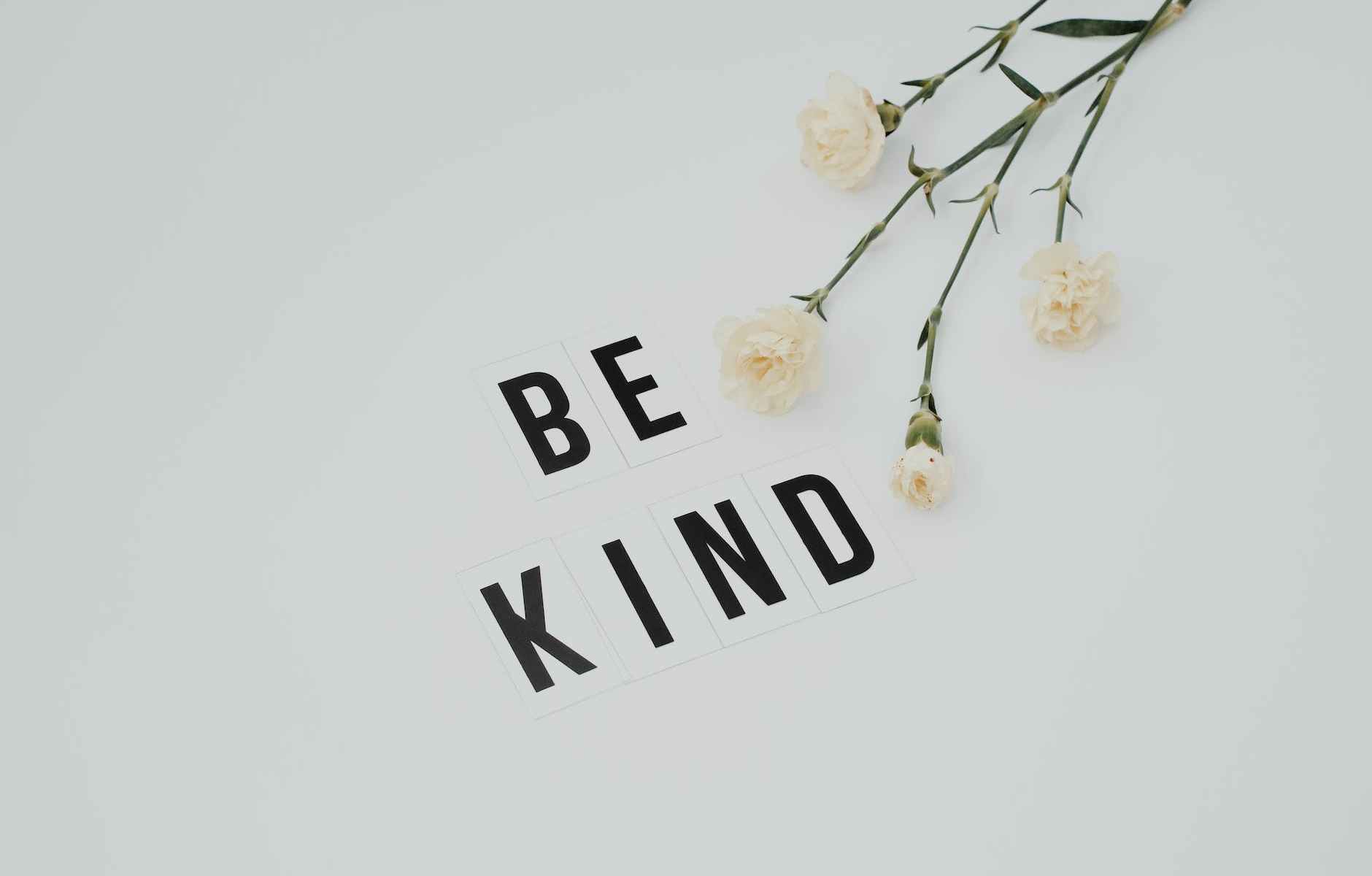
Be Kind to yourself and others, and seek that which heals and creates while avoiding that which destroys.

Don’t Be Cruel to Others, Be Kind and Compassionate


We all have a choice in how we treat others. We can be kind and compassionate, or we can be cruel and mean. The way we treat others reflects the way we feel about ourselves. If we are happy and confident, we will spread joy and love. If we are unhappy and insecure, we will spread misery and hate.

Some people choose to be cruel to others because they enjoy seeing them suffer. They may laugh at their pain, mock their weakness, or even hurt them on purpose. These people are called sadists, and they have a dark side to their personality. They get pleasure from causing or witnessing harm to others, and they don’t care about the consequences.

Being hateful and hurtful all the time is not normal or healthy. People who are like that have a problem that needs to be addressed. They may be suffering from low self-esteem, addiction, or mental illness. They may have been hurt or abused in the past, and they are trying to cope with their emotions in a destructive way. They need help to heal their wounds and find a better way of living.

Being Hateful and hurtful is not something to be proud of or celebrate. It is something to be ashamed of and avoid. It is immature and mean. It does not make anyone happy or fulfilled. It only creates more pain and suffering in the world.

We should all strive to be kind and compassionate to others, not cruel and mean. We should empathize with their feelings, respect their dignity, and help them when they need it. We should treat others as we would like to be treated ourselves. We should remember that we are all human beings, with hopes and dreams, fears and flaws, joys and sorrows.

Kindness and compassion are the signs of maturity and wisdom. They are the sources of happiness and peace. They are the gifts that we can give to ourselves and others. They are the ways that we can make this world a better place for everyone.

Don’t be cruel to others, be kind and compassionate. You will be happier and healthier for it.

Your thoughts, your words, and your actions are what define you.


I know I am not the best writer on the block, but I do the best I can and do it because it is what is within my heart to do. I do not write for likes or fame, I write to express my views and the feelings I have. Sharing what I have learned and what I am yet to learn in this journey of life. I only hope it helps someone to find their own answers to the questions they have in life.

Each person needs to seek out their own answers, it is a personal journey we all are on in life. We can find hints and keys to the answers from others but we must find the correct answers for ourselves. So always be objective and open-minded when reading or hearing other people’s concepts of truth or wisdom. Never follow anyone or anything blindly.

Out of all the things we experience and have in life, your thoughts, your words, and your actions are what define you. The rest of the stuff is but window dressing and speed bumps on the road of life. So always think before you speak or act and try to minimize any negative thinking.

If you have passion and basic writing skills, blog or write a book about your thoughts and feelings. If you are more the Vocal type do podcasts or youtube videos. Don’t Do it for the money or the fame, do it for your passion and to help others, my friends. Not saying you should turn the money down if it is to come your way, Just make it a lower priority.

Well, I wish you luck on your journey through life, may you learn and share much with others in your lifetime.

You may be the result of your past, but you are in control of the present and who you can become in the future


Looking back at your life in retrospect allows you to see where you made mistakes and where you made some good choices as well. But one must not get stuck in regret and nostalgia, if you do then you will become stagnant and never move forward. Learn from the past, but do not live in it.

It s just as important to plan for the future, but do not allow yourself to be blind to the present due to focusing too much on the future. It is a balancing act between looking forward, backward and living in the present. The present should be the highest priority since the past is gone and the future is not here as of yet.

You may be the result of your past, but you are in control of the present and who you can become in the future. But it all starts here in the moment you are living. Let go of the mistakes of the past, the fear of the future and focus on making a difference in the here and now.

Regret, fear, and nostalgia tend to keep one paralyzed mentally and emotionally thus making it hard for someone to move forward with their life. Forgive yourself for past mistakes, put aside the fear you feel due to the uncertainty of the future, and let go of nostalgia as soon as you are able to.

Using tools such as meditation, mindfulness, and music, and getting help from mental health professionals can aid in moving forward and dealing with the fear and guilt you may be facing. This is your only life to live, so use all tools available to help you become the best version of yourself that you can be.

Most of all tell that little voice in the back of your mind always telling you things such as you are not good enough or that you can not do something, to be quiet and go away. Try Replacing it with positive affirmations and thoughts when you are able.

May you have a love-filled life and may you share the love you have with those around you.

Unlock the Power of Mindfulness: Benefits for Your Physical and Mental Health


Mindfulness is a simple yet transformative practice that can have significant benefits for both our physical and mental health. It involves being fully present in the moment and observing our thoughts and feelings without judgment. Although mindfulness has its roots in Buddhist meditation, it has evolved and found its way into various secular contexts and is now widely practiced in different settings, including hospitals, schools, and workplaces.

The benefits of mindfulness are numerous and well-documented. One of the most significant benefits is that it can reduce stress and anxiety. A study published in the Journal of the American Medical Association found that mindfulness-based stress reduction was effective in reducing symptoms of anxiety and depression in patients with generalized anxiety disorder. Another study published in the journal Psychiatry Research found that mindfulness-based stress reduction was effective in reducing stress and improving the quality of life in patients with chronic pain.

In addition to reducing stress and anxiety, mindfulness has been shown to lower blood pressure, improve sleep quality, and enhance overall well-being. It can also help manage chronic pain, reduce symptoms of depression, and improve cognitive function.

The benefits of mindfulness extend beyond physical health. It has been found to improve emotional regulation, increase empathy, and enhance social connections. It can also help us to be more resilient in the face of challenges and better able to cope with difficult emotions.

One of the best things about mindfulness is that it can be practiced anywhere and at any time. All you need is a quiet place to sit or lie down and a few minutes of your time. There are also many resources available to help you get started with mindfulness, including guided meditations, books, and apps.

If you’re interested in exploring mindfulness further, here are some useful links to get you started:

  • Headspace: This popular mindfulness app offers guided meditations and mindfulness exercises to help you reduce stress and improve your well-being.
  • Mindful: This website offers a wealth of resources on mindfulness, including guided meditations, articles, and videos.
  • The Mindfulness-Based Stress Reduction Program: Developed by Jon Kabat-Zinn, this eight-week program has been shown to be effective in reducing stress and improving overall well-being.
  • Insight Timer: This app offers a wide variety of guided meditations and mindfulness exercises, as well as a community of practitioners to connect with.

In conclusion, mindfulness is a powerful practice that can improve our physical and mental health in numerous ways. By being fully present in the moment and cultivating a more positive mindset, we can lead happier, healthier lives. With the abundance of resources available, anyone can start practicing mindfulness and enjoy its many benefits.

Embracing Inclusiveness, Compassion, and Tolerance: Building a More Loving and Accepting World


Greetings, my friends,

Today, I want to talk about three essential values that can transform our society and create a more compassionate and inclusive world. These values are inclusiveness, compassion, and tolerance, and they are the building blocks of a harmonious and thriving society.

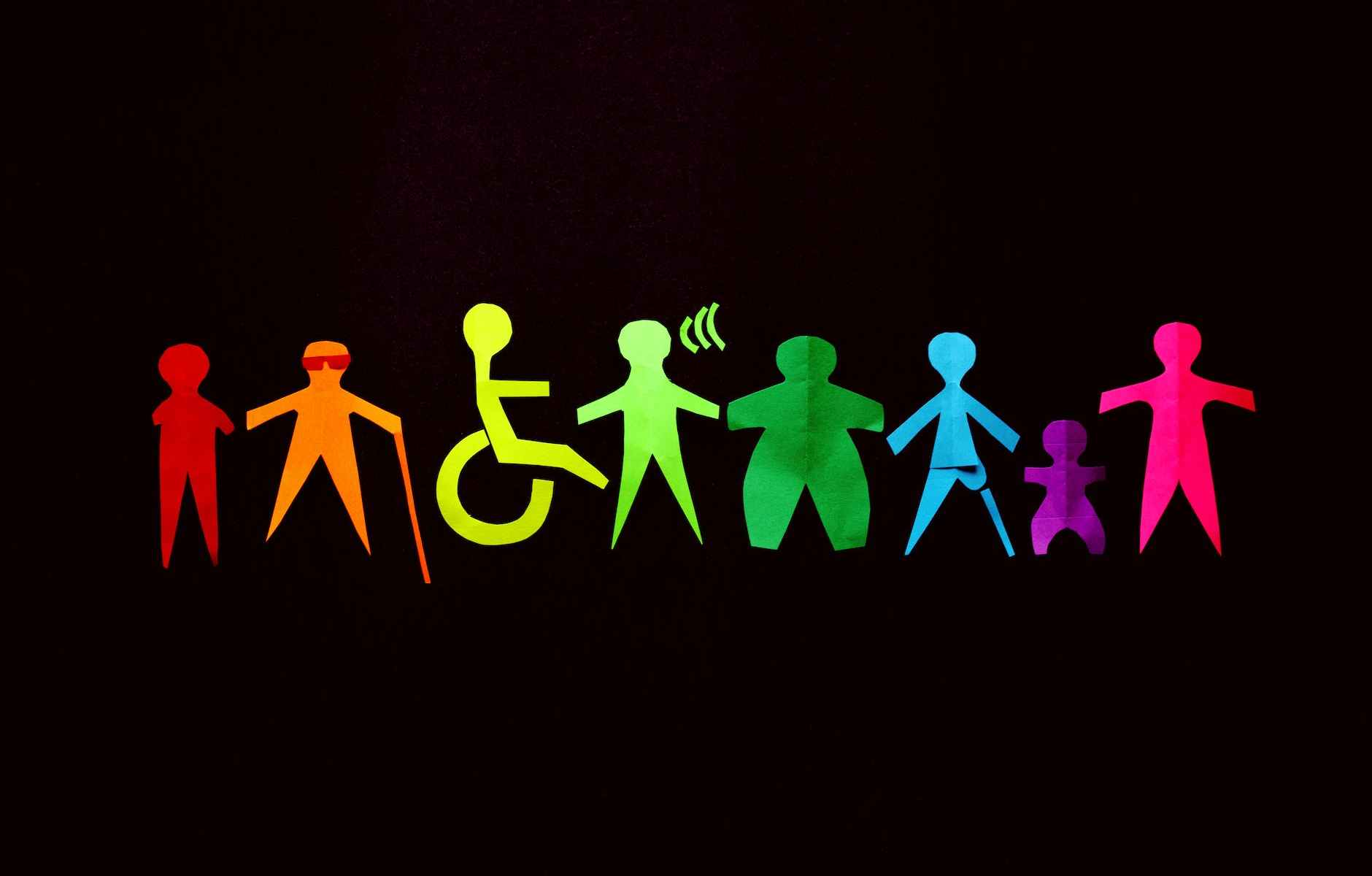
Inclusiveness means embracing diversity and recognizing that each person has a unique and valuable contribution to make. We live in a world filled with different cultures, beliefs, and backgrounds, and when we embrace this diversity, we create a sense of belonging for all. When we are inclusive, we uplift each other and foster a spirit of unity.

Compassion is about empathy and kindness. We all experience hardships and difficulties in our lives, and when we show compassion to those who are struggling, we help them to feel supported and understood. Let us never forget that everyone is fighting their own battle, and a little kindness can make all the difference.

Tolerance is about respecting and accepting others, even when we disagree with them. We all have different opinions and beliefs, but when we approach each other with an open mind and heart, we can learn and grow from each other. Tolerance means recognizing that every person is valuable and deserving of respect, regardless of their differences.

In our fast-paced and often self-centered world, it can be easy to forget the importance of inclusiveness, compassion, and tolerance. But if we want to build a better world, we must embrace these values with all our hearts. Let us see the goodness in others and work towards creating a more harmonious and loving world.

May we all strive to live with an inclusive, compassionate, and tolerant spirit. Let us spread love, joy, and peace wherever we go.

In conclusion, the values of inclusiveness, compassion, and tolerance are essential for building a healthy and harmonious society. By embracing diversity, showing kindness and empathy towards others, and accepting and respecting others, we can create a more loving and accepting world. Let us remember the Bible verses that remind us of the importance of these values and strive to live with an inclusive, compassionate, and tolerant spirit. May we all work towards building a world where everyone feels valued and appreciated, and where love and kindness are the guiding principles.

Now that we have reflected on the importance of inclusiveness, compassion, and tolerance, it is time for us to take action. Let us commit ourselves to practicing these values in our daily lives and in our interactions with others.

Let us challenge ourselves to be more inclusive, to listen to those who have different perspectives, and to learn from them. Let us show compassion to those who are struggling and offer them support and encouragement. And let us practice tolerance by accepting and respecting others, even when we disagree with them.

We can also take action by advocating for these values in our communities and workplaces. We can encourage others to embrace diversity and create a culture of compassion and acceptance. By working together, we can make a difference and create a more inclusive and tolerant world for all.

So let us go forth from here with a renewed commitment to inclusiveness, compassion, and tolerance. Let us be the change we want to see in the world and work towards building a better future for ourselves and for future generations.

Here are a few Bible verses that relate to inclusiveness, compassion, and tolerance

Inclusiveness

  • Galatians 3:28 – “There is neither Jew nor Gentile, neither slave nor free, nor is there male and female, for you, are all one in Christ Jesus.”
  • Romans 10:12 – “For there is no difference between Jew and Gentileโ€”the same Lord is Lord of all and richly blesses all who call on him.”

Compassion

  • Ephesians 4:32 – “Be kind and compassionate to one another, forgiving each other, just as in Christ God forgave you.”
  • Colossians 3:12 – “Therefore, as God’s chosen people, holy and dearly loved, clothe yourselves with compassion, kindness, humility, gentleness, and patience.”

Tolerance

  • Matthew 5:44 – “But I tell you, love your enemies and pray for those who persecute you.”
  • Romans 12:18 – “If it is possible, as far as it depends on you, live at peace with everyone.”

These verses remind us of the importance of treating others with love, respect, and kindness, regardless of their differences or beliefs. Let us hold these values close to our hearts as we strive to create a more inclusive, compassionate, and tolerant world.

Blessings to you all, and may your heart guide you through this life.